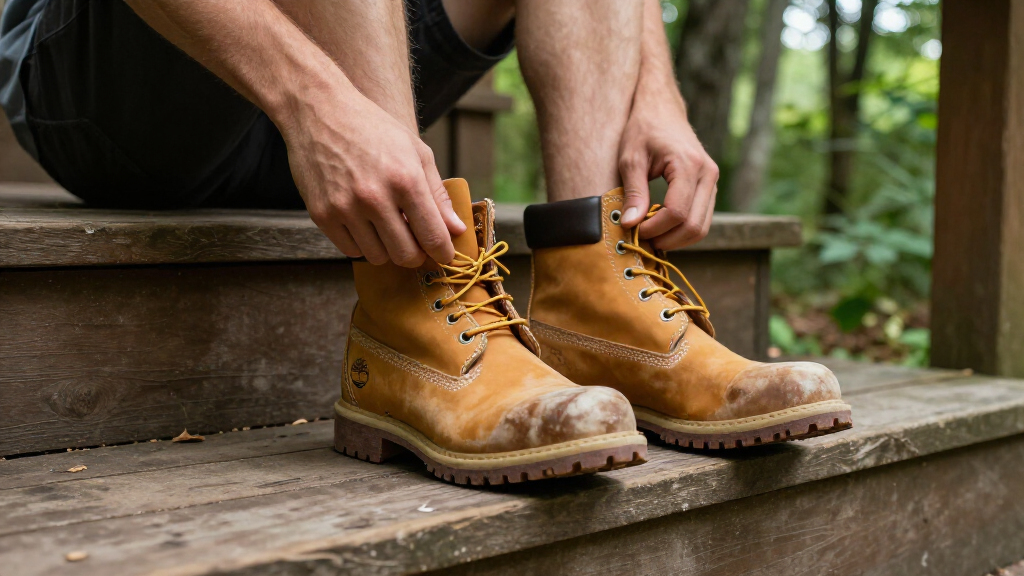

Choosing the best Timberland boots depends largely on whether you prioritize rugged trail performance or urban versatility. The Timberland Men’s Premium 6-Inch Waterproof Boot stands out as the top overall choice for its iconic design and proven durability, while the Timberland Men’s White Ledge Mid Waterproof Hiking Boots offer superior traction for outdoor enthusiasts. Buyers often face a tradeoff between the classic, stiffer construction of heritage styles and the lighter, more flexible materials found in modern hiking hybrids. This guide breaks down nine distinct models to help you identify which pair aligns with your daily activities and climate needs. Continue reading for a detailed comparison of fit, weather resistance, and long-term value.

Turn your quiet moments into listening time
- Thousands of audiobooks, podcasts and originals
- Listen on your phone, tablet or Echo — also offline
- Cancel anytime
Key Takeaways
- The Premium 6-Inch remains the benchmark for casual durability but sacrifices flexibility compared to hiking-specific models.
- Hiking hybrids like the White Ledge and Flume offer better arch support and lighter weight than traditional work boots.
- Chelsea styles like the Britton Road sacrifice ankle stability for convenience, making them unsuitable for uneven terrain.
- Waterproofing consistency varies, with the Redwood Falls providing more reliable seal integrity than lower-cost synthetic alternatives.
- Break-in periods are shorter on modern EVA-midsole models, whereas traditional leather options require several weeks of wear.
| Timberland Britton Road Mid Chelsea |  | Best Slip-On for Wet, Cold Weather | Waterproofing: Yes; seam-sealed construction | Insulation: PrimaLoft | Sole material: Rubber | VIEW LATEST PRICE | See Our Full Breakdown |
| Timberland Redwood Falls Waterproof |  | Best for Insulated Outdoor Wear | Sole material: Rubber | Shaft height: Ankle | Shaft circumference: 9.75 inches | VIEW LATEST PRICE | See Our Full Breakdown |
| Timberland Men’s Premium 6-Inch Waterproof Boot |  | Best Classic Timberland Boot | Upper material: Nubuck leather and synthetic | Waterproofing: Yes; seam-sealed construction | Insulation: PrimaLoft | VIEW LATEST PRICE | See Our Full Breakdown |
| Timberland Men’s White Ledge Mid Waterproof Hiking Boots |  | Best for Day Hikes | Upper material: Waterproof premium leather | Lining: ReBOTL fabric | Sole material: Rubber | VIEW LATEST PRICE | See Our Full Breakdown |
| Timberland Men’s Britton Road Waterproof Boot |  | Best Everyday Insulated Lace-Up | Waterproofing: Yes; seam-sealed construction | Insulation: PrimaLoft | Sole material: Rubber | VIEW LATEST PRICE | See Our Full Breakdown |
| Timberland Men’s White Ledge Mid Waterproof Hiking Boots | 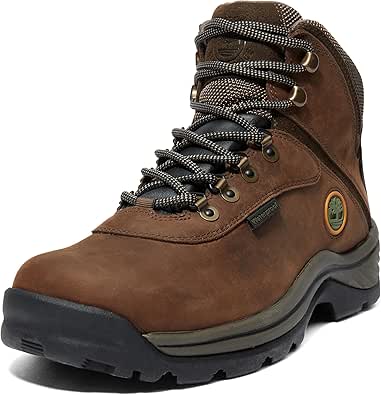 | Best for Trail-Ready Waterproofing | Upper: Waterproof premium leather | Construction: Seam-sealed | Shaft: Mid | VIEW LATEST PRICE | See Our Full Breakdown |
| Timberland Men’s Flume Mid Waterproof Hiking Boot |  | Best for Straightforward Trail Use | Upper: Waterproof premium Timberland leather | Shaft height: Ankle | Shaft circumference: 9.25 inches | VIEW LATEST PRICE | See Our Full Breakdown |
| Timberland Men’s Earthkeepers 6-Inch Boot |  | Best for Everyday Comfort and Recycled Materials | Fabric type: 100% leather | Outer material: Leather | Lining: ReBOTL fabric (50% PET) | VIEW LATEST PRICE | See Our Full Breakdown |
| Timberland Men’s Redwood Edge Mid Lace-Up Boot |  | Best for Cushioned Casual Wear | Outer material: Leather | Shaft height: Ankle | Shaft circumference: 9.5 inches | VIEW LATEST PRICE | See Our Full Breakdown |
| Timberland boot | Lining | Sole material | Shaft height | Shaft circumference |
|---|---|---|---|---|
| Timberland Britton Road Mid Ch | Leather | Rubber | Ankle | 9.75 inches |
| Timberland Redwood Falls Water | Leather | Rubber | Ankle | 9.75 inches |
| Timberland Men’s Premium 6-Inc | Leather | Rubber | 6 inches | — |
| Timberland Men’s White Ledge M | ReBOTL fabric | Rubber | Mid | 9.75 inches |
| Timberland Men’s Britton Road | Leather | Rubber | Ankle | 9.75 inches |
| Timberland Men’s White Ledge M | ReBOTL fabric | — | — | 9.75 inches |
| Timberland Men’s Flume Mid Wat | Mesh | — | Ankle | 9.25 inches |
| Timberland Men’s Earthkeepers | ReBOTL fabric (50% PET) | Synthetic | — | — |
| Timberland Men’s Redwood Edge | Recycled PET | Rubber | Ankle | 9.5 inches |
More Details on Our Top Picks
Timberland Britton Road Mid Chelsea
The Britton Road Mid Chelsea is the easiest pick here for buyers who want weather protection without laces. Its seam-sealed waterproofing and PrimaLoft insulation suit damp, chilly commutes, while the rubber lug outsole adds grip underfoot. Compared with the lace-up Timberland Men’s Premium 6-Inch Waterproof Boot, this Chelsea trades ankle adjustment and a taller shaft for quicker on-and-off wear and a cleaner profile. Anti-fatigue technology is a useful advantage for days spent walking or standing, though the waterproof build may feel less breathable than a lighter, uninsulated boot. I’d choose it for everyday wet-weather use, not for technical hikes or buyers who need a close, adjustable fit around the ankle.
Pros:- Seam-sealed waterproof construction helps keep feet dry in wet conditions
- PrimaLoft insulation adds warmth without relying on a bulky build
- Anti-fatigue technology is suited to extended standing and walking
- Chelsea design makes it quicker to put on and remove than lace-up alternatives
Cons:- Waterproofing and insulation may reduce breathability in mild weather
- Slip-on construction offers less fit adjustment than the Premium 6-Inch lace-up
Best for: Commuters and everyday walkers who want an insulated, waterproof boot that slips on without laces
Not ideal for: Hikers who need a lace-adjustable fit and added ankle coverage, or warm-weather buyers who prioritize breathability
- Waterproofing:Yes; seam-sealed construction
- Insulation:PrimaLoft
- Sole material:Rubber
- Shaft height:Ankle
- Shaft circumference:9.75 inches
- Lining:Leather
- Leather sourcing:Environmentally certified leather
- Origin:Imported
Our verdict“Choose the Britton Road Mid Chelsea for quick-on, insulated wet-weather wear; pick a lace-up model if you need a more adjustable fit.”
Timberland Redwood Falls Waterproof
The Redwood Falls Waterproof makes sense for buyers who want a traditional ankle boot with warmth and wet-weather coverage. Its seam-sealed construction and PrimaLoft insulation are more suited to cold, damp days than the uninsulated Timberland Men’s White Ledge Mid Waterproof Hiking Boots, which place more emphasis on trail-oriented features. Anti-fatigue technology is listed for this model, adding support for longer days on foot. The tradeoff is that insulation and waterproofing can make it feel heavier and less comfortable in warm conditions. Its ankle-height shaft also provides less coverage than the six-inch Premium boot. I’d favor the Redwood Falls for everyday outdoor use in chilly weather, rather than steep hikes or hot climates.
Pros:- Seam-sealed construction is designed to keep water out
- PrimaLoft insulation adds warmth for colder conditions
- Anti-fatigue technology supports extended wear
- Premium leather construction is suited to regular outdoor use
Cons:- Waterproofing and insulation may add weight compared with less protected boots
- Ankle-height shaft offers less coverage than the Premium 6-Inch boot
- Insulation may feel too warm for mild-weather use
Best for: Buyers who need an insulated, waterproof ankle boot for cold-weather walks and everyday outdoor use
Not ideal for: Warm-weather hikers or buyers who want a lighter, more breathable boot with less insulation
- Sole material:Rubber
- Shaft height:Ankle
- Shaft circumference:9.75 inches
- Waterproofing:Seam-sealed waterproof construction
- Insulation:PrimaLoft
- Lining:Leather
- Upper:Premium leather
- Support feature:Anti-fatigue technology
Our verdict“Pick the Redwood Falls for insulated, waterproof everyday wear, but choose the White Ledge Mid for a more hiking-focused design.”
For the recognizable Timberland silhouette with practical cold-weather protection, the Premium 6-Inch Waterproof Boot is the strongest match in this group. Its nubuck upper, seam-sealed construction, and PrimaLoft insulation combine weather resistance with warmth, while the padded leather collar adds comfort around the ankle. Compared with the ankle-height Britton Road Waterproof Boot, this model offers a taller shaft and a more classic lace-up look, but it is also the less streamlined choice for quick daily use. The rubber lug outsole and anti-fatigue technology support regular wear, though the boot may feel heavy, and its insulation can be excessive in mild weather. I’d choose it for buyers who value the heritage design as much as utility.
Pros:- Six-inch shaft gives more coverage than the ankle-height Britton Road models
- Seam-sealed waterproof construction helps protect against wet conditions
- PrimaLoft insulation and padded leather collar add cold-weather comfort
- Goodyear welt construction and rubber lug outsole support a durable, traditional build
Cons:- Heavier feel may be tiring for buyers prioritizing a lightweight boot
- Insulation can be uncomfortable in mild or warm conditions
- Lace-up design takes longer to put on than the Britton Road Mid Chelsea
Best for: Timberland fans seeking a classic six-inch lace-up boot for cold, wet everyday wear
Not ideal for: Buyers who want a lightweight warm-weather boot or prefer an easy slip-on style
- Upper material:Nubuck leather and synthetic
- Waterproofing:Yes; seam-sealed construction
- Insulation:PrimaLoft
- Shaft height:6 inches
- Sole material:Rubber
- Lining:Leather
- Construction:Goodyear welt
- Collar:Padded leather
Our verdict“Choose this model for the classic six-inch Timberland look with waterproof warmth, not for lightweight or warm-weather wear.”
Timberland Men’s White Ledge Mid Waterproof Hiking Boots
The White Ledge Mid Waterproof Hiking Boots stand apart from the insulated Britton Road and Redwood Falls models by focusing on trail use rather than cold-weather warmth. A gusseted tongue helps limit debris entry, and the rubber outsole’s multidirectional lugs are intended to grip across varied surfaces. The EVA footbed and midsole provide cushioning without the listed PrimaLoft insulation found in the Premium 6-Inch boot, making this a more sensible choice when hiking conditions are cool or mild. Rustproof speed-lace hardware also suits repeated outdoor use. The tradeoff is that the mid-height hiking build may feel heavier than a casual boot, and the supplied specs do not list insulation. I’d choose it for day hikes, not for buyers seeking a warm winter boot.
Pros:- Waterproof premium leather upper is suited to wet trail conditions
- Multidirectional rubber lugs provide traction across varied surfaces
- EVA footbed and midsole add cushioning for walking
- Gusseted tongue and rustproof speed-lace hardware suit outdoor use
Cons:- No insulation is listed, so it is less suited to cold-weather wear than the Premium 6-Inch boot
- Mid-height hiking construction may feel heavier than a casual ankle boot
- Trail-focused features are less useful for buyers who mainly need a city boot
Best for: Day hikers who want waterproof leather, trail-oriented traction, and cushioning for varied outdoor routes
Not ideal for: Cold-weather buyers who need insulation, or shoppers seeking a lightweight casual boot for daily errands
- Upper material:Waterproof premium leather
- Lining:ReBOTL fabric
- Sole material:Rubber
- Shaft height:Mid
- Shaft circumference:9.75 inches
- Footbed:EVA
- Midsole:EVA
- Hardware:Rustproof speed-lace hardware with lace hooks
- Outsole tread:Multi-directional lugs
Our verdict“Choose the White Ledge Mid for waterproof day hikes and trail grip; opt for an insulated Timberland model for cold-weather use.”
Timberland Men’s Britton Road Waterproof Boot
The Britton Road Waterproof Boot is a practical middle ground for buyers who want insulated wet-weather coverage in an ankle-height lace-up. Like the Redwood Falls Waterproof, it pairs seam-sealed waterproofing with PrimaLoft insulation and anti-fatigue support. Its key advantage over the Britton Road Mid Chelsea is the lace-up format, which gives buyers more control over how securely the boot fits; the Chelsea is faster to slip on. The rubber sole and leather lining suit regular use, while the ankle shaft keeps the profile shorter than the Premium 6-Inch boot. Insulation may be too warm for mild days, and the available information does not specify detailed lace or outsole construction. I’d pick it for daily cold-weather wear when adjustability matters more than a slip-on design.
Pros:- Seam-sealed waterproofing is suited to wet conditions
- PrimaLoft insulation adds warmth for chilly days
- Anti-fatigue technology supports longer periods of standing or walking
- Lace-up design allows more fit adjustment than the Britton Road Mid Chelsea
Cons:- Insulation may make the boot too warm for mild-weather use
- Ankle-height shaft offers less coverage than the Premium 6-Inch boot
- The listed specs do not detail outsole tread or construction method
Best for: Everyday wearers who want an insulated waterproof ankle boot with a lace-up fit
Not ideal for: Buyers who need a taller boot for extra ankle coverage, or want a fast slip-on for short errands
- Waterproofing:Yes; seam-sealed construction
- Insulation:PrimaLoft
- Sole material:Rubber
- Shaft height:Ankle
- Shaft circumference:9.75 inches
- Lining:Leather
- Origin:Imported
- Support feature:Anti-fatigue technology
Our verdict“Choose the Britton Road Waterproof for an adjustable, insulated ankle boot, or choose the Chelsea for quicker on-and-off wear.”
Timberland Men’s White Ledge Mid Waterproof Hiking Boots
The White Ledge Mid is the clearest choice here for hikers who want waterproof construction and trail-focused traction without moving to a taller boot. Its seam-sealed leather upper helps keep moisture out, while the multi-directional rubber lugs provide grip on varied outdoor surfaces. Compared with the Flume Mid, it adds a stated EVA footbed and ReBOTL lining, giving it a more complete comfort-and-materials profile on paper. The EVA midsole is intended to soften each step, though the leather build may feel heavy for longer outings. Its mid-height shaft offers more coverage than a low shoe, but buyers seeking an everyday style boot may prefer the Redwood Edge Mid. Choose this pair for wet-weather hikes; skip it if light weight or broader color choice matters most.
Pros:- Waterproof premium leather upper with seam-sealed construction
- Multi-directional rubber lugs provide traction on varied trail surfaces
- EVA footbed and midsole add cushioning for extended wear
- ReBOTL fabric lining incorporates recycled material
Cons:- Leather construction may feel heavy on longer hikes
- Limited color options
Best for: Hikers who want a mid-height leather boot with seam-sealed waterproofing and lugged traction for wet, mixed outdoor terrain.
Not ideal for: Fast, lightweight hikers or buyers seeking a casual boot in multiple color options; this leather hiking model may feel heavy and has limited color availability.
- Upper:Waterproof premium leather
- Construction:Seam-sealed
- Shaft:Mid
- Shaft circumference:9.75 inches
- Lining:ReBOTL fabric
- Footbed:EVA
- Midsole:EVA
- Outsole:Rubber with multi-directional lugs
- Hardware:Rustproof speed lace with lace hooks
Our verdict“Choose the White Ledge Mid if waterproof protection and hiking traction matter more than a lightweight feel or casual styling.”
Timberland Men’s Flume Mid Waterproof Hiking Boot
The Flume Mid keeps its appeal focused: waterproof premium leather, a gusseted tongue, and a rubber outsole with multi-directional lugs for outdoor use. The gusseted tongue helps limit debris and moisture entering around the laces, while the EVA midsole adds cushioning without a more elaborate feature set. Compared with the White Ledge Mid, the Flume’s listed specs do not include a separate EVA footbed or ReBOTL lining, so the White Ledge has the stronger documented comfort-and-recycled-material story. The Flume still offers the core ingredients many casual hikers need, including rustproof speed-lace hardware for a secure fit. Its downsides are practical: the boot may feel heavy, color choice is limited, and its trail-oriented build may be more than casual wearers need. I’d pick it for rugged outings over everyday styling.
Pros:- Waterproof premium Timberland leather upper
- Gusseted tongue helps limit debris and moisture entry
- Rubber outsole with multi-directional lugs supports trail grip
- Rustproof speed lace hardware and hooks help secure the fit
Cons:- May feel heavy during extended wear
- Limited color options
- Trail-focused construction may be unnecessary for primarily casual use
Best for: Occasional hikers who want waterproof leather, a debris-blocking gusseted tongue, and dependable lugged traction for all-season trail outings.
Not ideal for: Casual boot shoppers who prioritize a lighter feel, multiple color choices, or comfort features beyond the listed EVA midsole.
- Upper:Waterproof premium Timberland leather
- Shaft height:Ankle
- Shaft circumference:9.25 inches
- Lining:Mesh
- Midsole:EVA
- Outsole:Rubber with multi-directional lugs
- Tongue:Gusseted
- Hardware:Rustproof speed lace with lace hooks
Our verdict“Pick the Flume Mid for practical waterproof trail protection, but favor the White Ledge Mid if its additional listed footbed and ReBOTL lining matter to you.”
Timberland Men’s Earthkeepers 6-Inch Boot
The Earthkeepers 6-Inch Boot trades the hiking-specific emphasis of the White Ledge Mid for a taller, everyday leather-boot profile and a removable anti-fatigue footbed. That footbed is the key distinction: buyers can take it out for replacement or adjustment, while the ReBOTL lining made with 50% PET adds a recycled-material component and supports breathability. Full-grain leather gives this pair a durable, classic look, but the supplied details do not identify waterproof construction or a lug pattern, so I would not choose it over the White Ledge for wet trails. Fit also calls for more attention: the product recommends purchasing a half size down. Its premium materials may cost more, and warranty information requires checking Timberland’s website. This makes better sense for everyday wear than for a dedicated waterproof hiking role.
Pros:- Full-grain leather upper offers a durable, classic boot look
- ReBOTL lining is made with 50% PET and is described as breathable
- Removable anti-fatigue footbed allows removal or replacement
- Six-inch profile gives it a taller look than the mid hiking options
Cons:- Recommended fit is a half size down, which may complicate sizing
- Waterproof construction and a trail-specific lug outsole are not specified
- Warranty details require checking the manufacturer’s website
Best for: Boot buyers seeking a full-grain leather everyday style with a removable anti-fatigue footbed and recycled-content lining.
Not ideal for: Hikers who need stated waterproof protection and trail-lug traction, or shoppers who cannot readily adjust to the recommended half-size-down fit.
- Fabric type:100% leather
- Outer material:Leather
- Lining:ReBOTL fabric (50% PET)
- Footbed:Removable anti-fatigue
- Sole material:Synthetic
- Fit guidance:Recommended to purchase a half size down
- Origin:Imported
Our verdict“Choose the Earthkeepers for a classic leather boot with a removable comfort footbed, not as a substitute for the waterproof White Ledge Mid on wet trails.”
Timberland Men’s Redwood Edge Mid Lace-Up Boot
The Redwood Edge Mid is the lineup’s more comfort-oriented everyday option, pairing a leather upper with an Ortholite insole, EVA midsole, and rubber outsole. Those cushioning components make it a stronger fit for buyers who expect long hours on their feet than a boot chosen mainly for trail features. Compared with the Flume Mid, it is not described as waterproof and its outsole is not specified with multi-directional lugs, so I would not rank it ahead of the Flume for wet, rugged hiking. The recycled PET laces and lining add a materials-conscious detail, though the description does not provide the lining’s recycled content percentage. Its mid/ankle-height profile keeps it less tall than the Earthkeepers 6-Inch, but limited color information and potentially higher cost may narrow its appeal.
Pros:- Ortholite insole and EVA midsole provide layered cushioning
- Leather upper pairs with a rubber outsole for a durable everyday build
- Recycled PET lining and laces add recycled-material content
- Mid/ankle-height shaft is shorter than the Earthkeepers 6-Inch profile
Cons:- Waterproof construction is not specified
- Outsole traction details are less specific than the lugged Flume Mid
- Limited color information and potentially higher cost may restrict its appeal
Best for: People seeking a leather lace-up boot for everyday wear who value cushioned support and recycled-material details.
Not ideal for: Hikers who need stated waterproofing or defined trail-lug traction; the Flume Mid is a better match for those conditions.
- Outer material:Leather
- Shaft height:Ankle
- Shaft circumference:9.5 inches
- Lining:Recycled PET
- Laces:100% recycled PET
- Insole:Ortholite
- Midsole:EVA
- Sole material:Rubber
- Lace style:Lace-up
Our verdict“Choose the Redwood Edge Mid for cushioned daily wear and recycled-material details, but choose the Flume Mid for stated waterproof trail protection.”

How We Picked
I evaluated these nine Timberland models based on three primary pillars: weather protection, comfort architecture, and versatility. For weather protection, I examined the construction of waterproof membranes and the quality of sealed seams, prioritizing boots that maintain integrity in wet conditions without overheating the foot. Comfort architecture was assessed by analyzing midsole materials, with a preference for models offering adequate arch support and cushioning suitable for all-day wear, rather than just short walks. Versatility determined the final ranking, as I looked for boots that could transition from a job site to a casual evening without looking out of place or feeling overly cumbersome. Products that excelled in one area but failed significantly in another were ranked lower to reflect real-world usability.
| Timberland boot | Sole material | Lining |
|---|---|---|
| Timberland Britton Road Mid Ch | Rubber | Leather |
| Timberland Redwood Falls Water | Rubber | Leather |
| Timberland Men’s Premium 6-Inc | Rubber | Leather |
| Timberland Men’s White Ledge M | Rubber | ReBOTL fabric |
| Timberland Men’s Britton Road | Rubber | Leather |
| Timberland Men’s White Ledge M | — | ReBOTL fabric |
| Timberland Men’s Flume Mid Wat | — | Mesh |
| Timberland Men’s Earthkeepers | Synthetic | ReBOTL fabric (50% PET) |
| Timberland Men’s Redwood Edge | Rubber | Recycled PET |
Factors to Consider When Choosing Best Timberland Boots
Selecting the right Timberland boot requires looking past the iconic yellow branding. The following factors will help you match a specific model to your lifestyle and environmental conditions.
Assessing Waterproofing Needs
Not all Timberland boots are created equal when it comes to water resistance. While many models feature treated leather, only those with dedicated waterproof membranes like Gore-Tex or TimberDry can handle sustained exposure to rain or snow. If you live in a wet climate, skipping a fully waterproof model in favor of a water-resistant one will lead to wet feet and potential leather damage. Conversely, in arid regions, a fully waterproof boot may trap heat and cause discomfort. Match the level of protection to your local weather patterns to avoid paying for features you will not use or lacking protection you desperately need.
Understanding Sole Construction
The outsole dictates where you can safely walk. Traditional work boots often feature rubber lug soles that provide excellent traction on slippery urban surfaces but may lack the grip needed for loose gravel or mud. Hiking-specific models utilize aggressive tread patterns and softer rubber compounds that grip uneven terrain better but may wear down faster on concrete. If your primary use is urban commuting, prioritize durability and slip resistance on flat surfaces. For trail use, prioritize multi-directional lugs and shock absorption to protect your joints from impact.
Fit and Break-In Expectations
Timberland boots generally run true to size, but the material composition changes the break-in experience. Full-grain leather models are stiffer initially and require a break-in period to mold to your foot shape, which can cause blisters during the first few weeks. Synthetic and suede blends tend to be more flexible out of the box, offering immediate comfort but potentially less long-term structural support. If you have wide feet, look for models with adjustable lacing systems that allow for a customized fit across the instep, as standard sizing may feel restrictive in the toe box.
Style Versatility vs. Function
There is a distinct aesthetic difference between heritage styles and modern performance hybrids. The Premium 6-Inch is a fashion staple that pairs well with jeans and chinos, but its bulkier profile may feel out of place with athletic wear or formal attire. Hiking boots like the Flume offer a sleeker, more athletic silhouette but may look too casual for a smart-casual office environment. Determine your wardrobe context before buying; a boot that performs well but clashes with your existing clothing choices is rarely worn, negating its value regardless of its technical specs.
Frequently Asked Questions
Do Timberland boots fit true to size?
Most Timberland boots fit true to size for men with average width feet. However, the Premium 6-Inch and other heritage styles often feel slightly roomier in the toe box, allowing for thicker socks without discomfort. If you have narrow feet, you may find these models too loose, requiring an insole for a snugger fit. Hiking hybrids like the White Ledge tend to have a more anatomical shape that hugs the foot more closely, which might feel tighter initially. It is advisable to try them on with the socks you intend to wear daily to assess the true fit.
How long do Timberland boots typically last?
With proper care, a pair of high-quality Timberland boots can last anywhere from three to five years of regular use. The lifespan depends heavily on the frequency of wear and the environment they are exposed to. Full-grain leather models are more resistant to abrasion and can be resoled, extending their life significantly beyond the initial sole wear. Synthetic models may degrade faster if exposed to extreme heat or constant moisture. Regular cleaning and conditioning of the leather are critical to preventing cracks and maintaining waterproofing integrity over time.
Are Chelsea boots suitable for hiking?
Chelsea boots like the Britton Road are not suitable for serious hiking or rugged terrain. The design lacks the ankle support and secure lacing system needed to prevent twists and sprains on uneven ground. While they may offer some water resistance and decent traction for city streets, their elastic side panels can stretch out over time, reducing stability. Stick to traditional lace-up models with high-top construction for any activity involving trails, rocks, or significant elevation changes to ensure your safety and comfort.
What is the difference between waterproof and water-resistant?
Water-resistant boots are treated with a coating that repels light rain and splashes for a short period but will eventually soak through under sustained pressure or submersion. Waterproof boots feature a sealed membrane and taped seams that prevent water from entering the boot entirely, even in heavy rain or shallow puddles. If you encounter wet conditions frequently, water-resistant options are insufficient and will lead to damp feet and potential odor issues. Always check the product specifications for a waterproof rating or membrane type if keeping your feet dry is a priority.
How should I clean and maintain my Timberland boots?
Cleaning involves using a soft brush to remove dirt and a damp cloth with mild soap to wipe down the leather. For waterproof models, avoid using silicone-based polishes as they can clog the pores of the waterproof membrane and reduce breathability. Instead, use a conditioner specifically designed for waterproof leather to keep it supple. Allow the boots to air dry away from direct heat sources like radiators, which can crack the leather. Regular maintenance preserves the aesthetic appeal and extends the functional lifespan of the boots.
Conclusion
Choosing the right pair depends on your specific use case. The Timberland Men’s Premium 6-Inch Waterproof Boot is the Best Overall for those who want a blend of iconic style and reliable all-day comfort. For budget-conscious buyers who still want solid performance, the Timberland Men’s White Ledge Mid Waterproof Hiking Boots serve as the Best Value option, offering great traction without the premium price tag. If you need Best Premium durability for harsh weather, the Timberland Redwood Falls Waterproof provides robust construction and superior insulation. For Best for Beginners entering the world of outdoor footwear, the Timberland Men’s Flume Mid Waterproof Hiking Boot offers a forgiving fit and easy break-in. Finally, for urban commuters prioritizing convenience, the Timberland Britton Road Mid Chelsea is the Best for Specific Needs of quick on-and-off wear, though it should be avoided for rough terrain.