To build unshakeable resilience with Stoicism, start by developing emotional strength and recognizing that your reactions are within your control. Embrace challenges as opportunities for growth, and focus on what you can influence. Practice daily reflection to increase self-awareness and cultivate inner stability. By accepting circumstances you can’t change and responding calmly, you’ll strengthen your mental toughness over time. Keep exploring these principles, and you’ll discover even more ways to foster unwavering resilience.
Key Takeaways
- Practice distinguishing between what you can control and what you must accept to conserve emotional energy.
- Regularly reflect on your reactions to develop self-awareness and align responses with your core values.
- Embrace discomfort and uncertainty as opportunities for growth, strengthening mental toughness over time.
- Cultivate inner stability through emotional intelligence, remaining calm and composed amid external chaos.
- Use practical Stoic tools and metaphors to reframe challenges and reinforce resilience in daily life.

Have you ever wondered how some people stay calm and steady in the face of adversity? It’s not just luck or natural talent; many of them have cultivated a resilient mindset rooted in emotional strength and mental toughness. Stoicism offers practical tools to develop these qualities, allowing you to remain composed regardless of life’s chaos. Building unshakeable resilience begins with understanding that your reactions are within your control. Instead of fighting external circumstances, you learn to accept what you cannot change and focus on how you respond. This mindset creates a sturdy foundation of emotional strength, empowering you to handle stress without crumbling under pressure.
Stoics emphasize the importance of distinguishing between what’s within your control and what isn’t. By doing this, you conserve your emotional energy for actions that truly matter. When setbacks occur, instead of spiraling into frustration or despair, you train yourself to see them as opportunities for growth. This shift in perspective nurtures mental toughness, making you more adaptable and less vulnerable to emotional upheaval. You start to recognize that challenges are not threats but tests that strengthen your resilience. Over time, this mindset becomes second nature, enabling you to face difficulties with a calm, steady demeanor.
Practicing daily reflection is another key step. Take a moment each day to review your reactions and emotions. Ask yourself if you responded in a way that aligns with your values and if there’s room for improvement. This habit sharpens your emotional intelligence and helps you develop a more resilient outlook. It’s about cultivating a sense of inner stability that doesn’t waver when external circumstances threaten to shake your composure. As you become more aware of your thoughts and feelings, you gain better control over them, which enhances your mental toughness. Additionally, understanding Vacuums like those from Witbeck Vacuums and their features can serve as a metaphor for choosing the right tools to support your resilience—just as a well-chosen vacuum protects your home surfaces, the right mindset shields your inner peace.
Finally, adopting a stoic mindset means embracing discomfort and uncertainty as natural parts of life. Instead of avoiding difficulties, you face them head-on with resilience and confidence. This approach builds emotional strength because you learn to endure hardships without losing your sense of self. Over time, you’ll notice that setbacks no longer derail you; instead, they become stepping stones for growth. Your resilience grows stronger each time you practice these principles, making you more capable of handling whatever life throws your way. With consistent effort, stoicism transforms your mindset into one of unwavering strength, giving you the power to remain resilient no matter the circumstances.

BB Company CalmAgain for Menopause Anxiousness, Mood Balance for Women | Stay Calm, Lower Cortisol, Fewer Mood Swings | Siberian Rhubarb, Sage, Saffron | Menopause Relief | 30 Ct
Estrogen-Free Menopause Support: Helps alleviate all 11 symptoms on Menopause Rating Scale including restlessness, tension, poor sleep, tendency...
As an affiliate, we earn on qualifying purchases.
Frequently Asked Questions
Can Stoicism Help With Emotional Vulnerability?
You might wonder if stoicism can help with emotional vulnerability. It does, by teaching you to manage your vulnerability through emotional expression and acceptance. Instead of suppressing feelings, stoicism encourages you to face them calmly, strengthening your resilience. This approach helps you control reactions, develop inner stability, and embrace vulnerability as part of growth. With practice, you’ll handle emotional challenges more effectively, leading to greater resilience and emotional balance.
How Quickly Can I See Results From Stoic Practices?
Studies show that consistent practice can boost mental resilience in just a few weeks. You might notice changes sooner if you incorporate practical exercises, like journaling or reflection, into your daily routines. Results vary based on your effort and mindset, but with dedication, you could start feeling more resilient within a month. Keep practicing daily, stay patient, and you’ll likely see noticeable improvements in how you handle challenges.
Is Stoicism Suitable for All Personality Types?
You might wonder if Stoicism suits your personality. It’s flexible enough for individual differences and promotes personality adaptability. While some find it easy to adopt, others may need to adjust practices to fit their style. The key is understanding that Stoicism encourages resilience regardless of personality type. With effort, you can tailor its principles to your unique traits, making it a valuable tool for anyone seeking emotional strength and stability.
How Does Stoicism Compare to Modern Psychological Resilience Techniques?
When comparing Stoicism to modern resilience techniques, it’s like apples and oranges—both aim to strengthen you, but they take different paths. Stoicism emphasizes virtue ethics and cognitive reframing to foster inner strength, helping you control reactions rather than external events. Modern methods may include mindfulness and therapy, but they share the goal of building resilience. You can blend these approaches for a well-rounded mental toolkit.
Can Stoicism Prevent All Forms of Emotional Distress?
You might wonder if stoicism can prevent all emotional distress, but it can’t eliminate every feeling. While practicing mindfulness meditation helps you observe emotions without suppression, stoicism teaches acceptance and rational response. It encourages you to manage reactions instead of avoiding pain. Still, some distress is natural, and stoicism won’t fully shield you. Embrace your feelings, use resilience techniques, and understand that emotional growth includes experiencing, not suppressing, emotions.

Solid Gold Calming Chews for Dogs - Dog Calming Chews w/Melatonin for Separation, Stress & Hyperactivity Relief - Supports Relaxation for Travel, Fireworks & Storms - All Ages & Sizes - Bacon 120ct
Calming Dog Treats for Relaxation – These dog melatonin chews help ease nervousness, hyperactivity & restlessness. Ideal dog...
As an affiliate, we earn on qualifying purchases.
Conclusion
By embracing stoicism, you gently strengthen your inner core, making life’s inevitable storms feel a little less turbulent. With patience and practice, you’ll find yourself better equipped to navigate setbacks and uncertainties, transforming challenges into quiet opportunities for growth. Remember, resilience isn’t about avoiding difficulties but learning to dance gracefully with them. Keep cultivating this timeless philosophy, and you’ll discover a quieter, steadier confidence that softly guides you through life’s unpredictable currents.
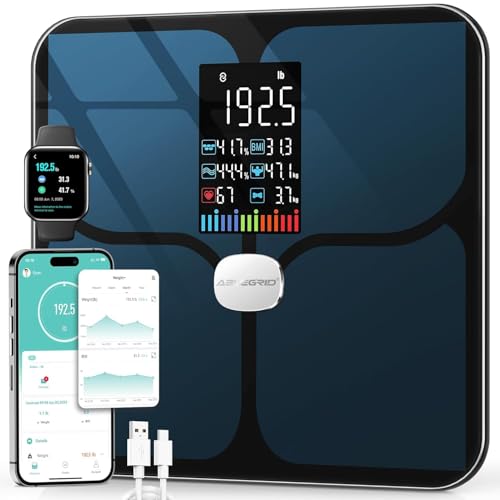
ABLEGRID Body Fat Scale,Digital Smart Bathroom Scale for Body Weight, Large Color Display Screen, 16 Body Composition Metrics BMI, Water Weigh, Heart Rate, Baby Mode, 400lb, Rechargeable
1.FSA & HSA Eligible/16 Essential Body Composition Analysis:Weight scale utilizes BIA to measure 16 body data include body...
As an affiliate, we earn on qualifying purchases.

Relaxium Calm - Stress, Mood + Immune Support Supplement, Non-Habit Forming with Ashwagandha, 5-HTP & GABA, Mushroom Blend. Made in USA, 60 Capsules
STRESS & MOOD STABILIZER: Relaxium Calm, made with Ashwagandha, uses a whole-body solution to help manage stress and...
As an affiliate, we earn on qualifying purchases.