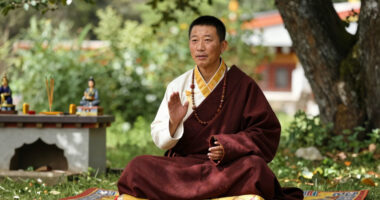
To become your best self through Stoic habits, start by practicing daily mindful reflection, pausing to observe your thoughts and emotions without judgment. Focus on internal stability by grounding your responses in virtue, viewing challenges as opportunities for growth. Incorporate habits like morning intentions and evening evaluations, and use mindfulness techniques to stay centered under pressure. These practices strengthen resilience over time, so keep exploring how integrating them can transform your mindset and emotional health.
Key Takeaways
- Incorporate daily mindful reflection to observe thoughts and emotions without judgment, fostering emotional resilience.
- Practice focusing on internal stability to respond thoughtfully rather than react impulsively to external events.
- Set aside moments each day for evening evaluations to review actions and reinforce virtuous behaviors.
- Use mindfulness techniques to enhance calmness, focus, and steadiness during stressful or challenging situations.
- View setbacks as growth opportunities by consistently confronting and understanding difficult emotions through regular reflection.

Have you ever wondered how some people maintain calm and resilience amidst life’s challenges? The secret often lies in their daily habits, especially those rooted in Stoic philosophy. One powerful practice they use is mindful reflection. By setting aside a few moments each day to pause and reflect, you train yourself to observe your thoughts and emotions without immediate judgment. This habit helps you develop emotional resilience—the ability to bounce back from setbacks and stay centered in adversity. When you engage in mindful reflection, you become more aware of your reactions, which allows you to respond thoughtfully instead of reacting impulsively. You might ask yourself questions like, “What is within my control right now?” or “How can I respond with virtue to this situation?” These questions help ground you in the present moment and shift your focus from external chaos to internal stability. Over time, this practice rewires your mindset, making resilience more automatic. Incorporating mindful reflection into your daily routine doesn’t require hours; even a few minutes can make a difference. You might do this first thing in the morning, journaling about your intentions for the day, or at night, evaluating what went well and what could be improved. The key is consistency. This habit encourages you to confront difficult emotions directly and to see challenges as opportunities for growth. It’s not about suppressing feelings but understanding them, which is essential for building emotional resilience. Practicing mindfulness techniques further enhances your ability to stay calm and focused under pressure. As you become more practiced in mindful reflection, you’ll notice that setbacks no longer shake you as easily. Instead, you approach difficulties with a calm, steady mindset, recognizing that your internal state is within your control.

MindPanda Guided Gratitude & Mindfulness Journal – Daily Reflection Journal with Prompts, Mood Tracker & Self Care Planner for Women & Men – Premium Non-Bleed Pages.
- Unique 4-Phase System: Guides self-discovery through four stages
- Daily Mood & Reflection: Includes mood check-in and fresh prompts
- Built-In Gratitude Log: Encourages daily gratitude practice for positivity
As an affiliate, we earn on qualifying purchases.
As an affiliate, we earn on qualifying purchases.
Frequently Asked Questions
How Long Does It Take to See Results From Stoic Habits?
When wondering how long it takes to see results from stoic habits, keep in mind that timeframe expectations vary. Typically, with consistent habit practice, you might notice positive changes in a few weeks, but more profound transformation can take several months. The key is habit consistency—sticking with daily practices helps reinforce your mindset over time, making improvements more noticeable and sustainable. Patience and persistence are your best allies.
Can Beginners Effectively Incorporate Stoic Practices Into Daily Life?
Like planting a seed, beginners can indeed grow with daily effort. Incorporating stoic practices into your routine works best when you focus on mindful reflection and building emotional resilience. Start small, stay consistent, and you’ll see progress over time. Even a few minutes daily can strengthen your mindset. With patience and dedication, these habits will gradually become second nature, transforming challenges into opportunities for growth.
Are Stoic Habits Suitable for All Age Groups and Backgrounds?
You might wonder if Stoic habits suit everyone. The truth is, they promote lifelong learning and cultural adaptability, making them flexible across age groups and backgrounds. You can adapt Stoic principles to fit your unique circumstances, regardless of where you come from or your life stage. This approach helps you develop resilience and mindfulness, fostering growth no matter your background, making Stoicism a valuable practice for anyone willing to learn and adapt.
How Do Stoic Habits Compare to Other Self-Improvement Techniques?
When comparing effectiveness, stoic habits stand out for their strong philosophical foundations, emphasizing resilience and mindfulness. You’ll find they complement other self-improvement techniques by fostering inner calm and perspective. Unlike methods focused solely on behavior, stoic practices teach you to master your reactions. This comparison highlights their unique ability to build mental strength, making them a valuable addition to your overall self-growth approach.
What Are Common Mistakes to Avoid When Practicing Stoic Habits?
Think of practicing stoic habits like steering a ship through storms—you need steady hands. Avoid common mistakes like overemphasizing discipline, which can lead to emotional reactivity when you slip up. Don’t expect perfection or become too rigid; flexibility is key. Also, neglecting self-awareness can cause you to miss growth opportunities. Stay mindful, practice patience, and remember that setbacks are part of the journey, not the end.
Conclusion
Embracing these stoic habits is like planting seeds in your mind’s garden; with daily care, they’ll grow into resilience and inner peace. By practicing gratitude, self-awareness, and acceptance, you craft a sturdy foundation for your best self to stand tall against life’s storms. Remember, this journey isn’t a sprint but a steady climb. Keep your focus sharp, and let these habits be the compass that guides you toward a calmer, more fulfilled life.