
A Stoic approach to goal setting encourages you to align your ambitions with core virtues like wisdom, courage, justice, and temperance. Instead of focusing solely on external success, prioritize developing moral character and intentions. Embrace setbacks as opportunities to practice resilience, staying true to your values. By grounding your pursuits in virtue, you build lasting resilience and purpose. Continuing this journey reveals how aligning your goals with virtue can foster genuine growth and inner strength.
Key Takeaways
- Set goals that prioritize moral virtue over external success to foster genuine character development.
- Ensure your ambitions align with core virtues like wisdom, courage, justice, and temperance.
- Use setbacks as opportunities to practice resilience and reinforce your commitment to virtue.
- Regularly reflect to verify that your pursuits remain morally grounded and free from superficial motives.
- Maintain integrity by acting consistently with your virtues, ensuring sustainable and meaningful personal growth.

Setting goals is a fundamental part of personal growth, but adopting a Stoic approach can help you pursue them more wisely. Instead of chasing external accomplishments alone, Stoicism encourages you to focus on aligning your actions with virtue ethics—values like wisdom, courage, justice, and temperance. When you set goals through this lens, you’re not just aiming for success; you’re cultivating moral character. This mindset shifts your focus from fleeting results to the quality of your intentions and choices. By anchoring your ambitions in virtue, you create a resilient foundation that withstands setbacks and challenges.
Resilience strategies are integral to this approach. Stoics believe that setbacks are inevitable, but how you respond determines your growth. When obstacles appear, rather than becoming discouraged, you can view them as opportunities to practice resilience. For example, if you face failure, instead of dwelling on disappointment, you reaffirm your commitment to virtues like patience and perseverance. This mindset helps you bounce back stronger, knowing that setbacks are part of the process, not the end of your journey. It’s about developing mental toughness—seeing difficulties as tests of character, not as insurmountable barriers.
View setbacks as opportunities to strengthen your character and practice resilience.
To adopt this perspective, you need to regularly reflect on your goals and motivations. Ask yourself if your pursuits truly align with your core virtues. Are you seeking success for superficial reasons, or are you driven by a desire to improve morally and ethically? This self-awareness keeps your ambitions grounded, ensuring they serve your growth rather than distract from it. When you encounter setbacks, remind yourself that external circumstances are outside your control, but your responses are within your power. Cultivating this understanding helps you maintain emotional equanimity, even when things don’t go as planned. Practicing mindfulness of virtues can further enhance your ability to stay aligned with your moral principles.
Furthermore, integrating virtue ethics into your goal-setting process encourages you to prioritize integrity over immediate gains. Instead of cutting corners or compromising your values for quick wins, you act in accordance with your moral principles. This consistency builds trust in yourself and others, reinforcing your character. The resilient mindset you develop through this process ensures that your pursuit of goals remains steady and purposeful, no matter the external circumstances.
Ultimately, a Stoic approach to goal setting isn’t about avoiding ambition. It’s about channeling that ambition through the lens of virtue, making your pursuits meaningful and sustainable. By embracing resilience strategies and aligning your goals with virtue ethics, you create a resilient, morally grounded path to personal growth that withstands life’s inevitable ups and downs.

The Complete Stoicism Collection – A Modern Translation of Their Philosophy: Meditations by Marcus Aurelius, Letters From a Stoic by Seneca, The Discourses by Epictetus, and All Other Stoic Works
As an affiliate, we earn on qualifying purchases.
As an affiliate, we earn on qualifying purchases.
Frequently Asked Questions
How Can I Balance Ambition With Acceptance of Outcomes?
You can balance ambition with acceptance by practicing mindful detachment, focusing on your efforts rather than outcomes. Set realistic expectations, understanding that some factors are beyond your control. Embrace the process and stay committed to your goals, but remain flexible when things don’t go as planned. This way, you nurture your ambition while cultivating inner peace, knowing you’ve done your best regardless of the results.
What Are Some Common Pitfalls in Applying Stoicism to Goals?
Oh, the classic tragedy of applying Stoicism—thinking you can suppress emotional reactions and avoid impulsive decisions. You might ignore genuine feelings, leading to emotional repression or cold detachment. Instead of embracing challenges, you could become indifferent, missing growth opportunities. The pitfall lies in misinterpreting Stoicism as emotional suppression rather than virtuous acceptance. Balance is key; avoid turning Stoicism into a sterile fortress against life’s natural ups and downs.
How Does Stoicism Help in Overcoming Setbacks?
When setbacks occur, Stoicism helps you by strengthening resilience building and emotional regulation. You learn to accept what you can’t control and focus on your responses, reducing frustration and disappointment. This mindset allows you to view setbacks as opportunities for growth rather than failures. By practicing mindfulness and maintaining perspective, you stay calm and composed, turning obstacles into stepping stones toward your goals.
Can Stoic Principles Be Integrated With Modern Goal-Setting Methods?
You can definitely integrate Stoic principles with modern goal-setting methods. While trendy approaches focus on outcomes, Stoicism emphasizes virtue cultivation and practical resilience. By aligning your goals with core virtues, you stay grounded amid setbacks and distractions. This blend helps you pursue ambitions with clarity and purpose, turning setbacks into opportunities for growth. It’s about balancing ambition with virtue, ensuring your goals serve both personal achievement and moral integrity.
How Do I Identify Virtuous Goals Aligned With My Values?
To identify virtuous goals aligned with your values, focus on value clarification by reflecting on what truly matters to you. Prioritize virtue cultivation, such as wisdom, courage, and temperance, over superficial achievements. Ask yourself if your goals promote moral growth and contribute positively to others. By aligning your ambitions with core virtues, you create meaningful, authentic objectives that support your character development and lead to lasting fulfillment.
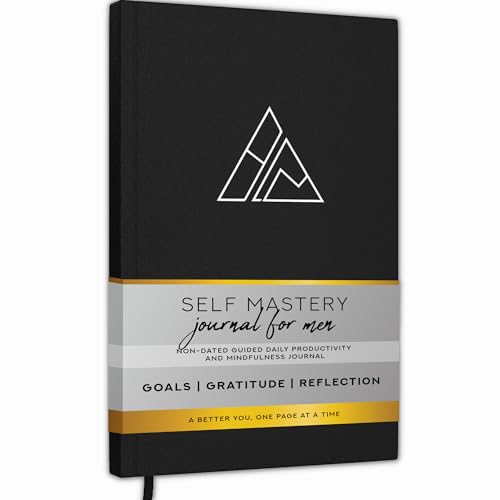
Self-Mastery Journal for Men – Gratitude Journals – 5 Minute Journal – Reflection Manifestation Journals for Mindfulness – Self Care Journal – Goal / Guided Gratitude Journal for Women & Men
PERSONAL GROWTH: All positive changes begin in the mind – and with the Realizations Self-Mastery Journal for Men…
As an affiliate, we earn on qualifying purchases.
As an affiliate, we earn on qualifying purchases.
Conclusion
As you navigate your goals, remember the steady oak standing tall through storms, rooted in virtue. Like the ancient mariner steering by the North Star, let your ambition guide you without losing sight of your true purpose. Embrace challenges as part of your journey, knowing that true fulfillment comes from aligning your aspirations with virtue. In this dance of ambition and virtue, you forge a path as resilient and unwavering as a lighthouse guiding ships home.

Goal Planner | SMART Goal Setting Kit for the New You, Monthly Habits, Reflections & Vision Boards | Pastel Rainbow A5
Set, Plan & Achieve your goals with focused action plans
As an affiliate, we earn on qualifying purchases.
As an affiliate, we earn on qualifying purchases.

Building High Performance Resilient Teams: A People Leader's Guide
As an affiliate, we earn on qualifying purchases.
As an affiliate, we earn on qualifying purchases.