

To reduce anxiety using ancient wisdom, embrace mindfulness practices rooted in Stoicism and Buddhism. Focus on staying present by observing thoughts without judgment and redirecting attention to your breath or senses. Accept setbacks as opportunities for growth and understand what’s within your control. Integrating these timeless principles helps build resilience, calmness, and mental clarity. If you keep exploring, you’ll discover more ways to harness this ancient wisdom for modern stress relief.
Key Takeaways
- Embrace mindfulness practices rooted in ancient traditions to stay present and reduce anxious thoughts.
- Recognize and focus on controllable reactions rather than uncontrollable events for emotional stability.
- Practice acceptance of life’s hardships as opportunities for growth, fostering resilience.
- Incorporate daily rituals like deep breathing or body scans to cultivate calmness and mental clarity.
- Develop a philosophical mindset that reframes worries, promoting calmness and long-term emotional balance.

Many ancient cultures developed practices that can help ease anxiety even today. Among these, mindfulness practices stand out as powerful tools for calming the mind and gaining clarity. By focusing on the present moment, you can break free from worries about the future or regrets about the past. This ancient technique, rooted in traditions like Buddhism and Stoicism, encourages you to observe your thoughts without judgment. When you notice anxious thoughts arising, instead of fighting them or becoming overwhelmed, you gently bring your attention back to your breath or the sensations around you. Over time, this cultivates a sense of calm and acceptance, reducing the grip that anxiety can have on your life. Incorporating awareness of spiritual energy can deepen your sense of presence and emotional balance during these practices.
Philosophical resilience is another concept that has stood the test of time, offering valuable insights into managing stress. It involves adopting a mindset that accepts life’s inevitable hardships and views challenges as opportunities for growth. This resilience isn’t about denying difficulties but recognizing that your response to them matters most. Ancient philosophies like Stoicism teach you to differentiate between what you can control and what you cannot. By focusing your energy on your reactions and attitudes, you develop a mental toughness that shields you from emotional upheaval. When you face setbacks or uncertain situations, this philosophical resilience helps you remain steady, less prone to spiraling into anxiety.
Integrating these ancient practices into your daily routine can be straightforward. Start by setting aside a few minutes each day for mindfulness exercises, such as deep breathing, body scans, or simply paying close attention to your surroundings. As you practice regularly, you’ll notice a gradual decrease in the intensity of anxious feelings. Simultaneously, embrace the principles of philosophical resilience by reframing negative thoughts and practicing acceptance. Remember, it’s not about eliminating anxiety entirely but learning to respond to it with calmness and perspective. Over time, these practices become part of your mental toolkit, empowering you to face life’s stresses with greater equanimity.
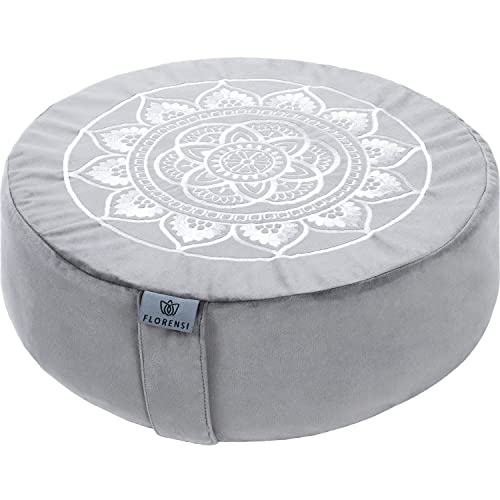
Florensi Meditation Cushion Grey Velvet Buckwheat Round Yoga Floor Seat
- Comfortable Meditation Seating: Stable and supportive for meditation and yoga
- Buckwheat Filled Cushion: Conforms to your seating for support
- Soft Velvet Cover: Stylish and comfortable surface
As an affiliate, we earn on qualifying purchases.
As an affiliate, we earn on qualifying purchases.
Frequently Asked Questions
Can Stoic Practices Be Combined With Modern Therapy?
You can definitely combine Stoic practices with modern therapy. Incorporate mindfulness integration to stay present and reduce anxiety, while using cognitive restructuring to challenge negative thoughts. These methods complement each other well, helping you build resilience and emotional control. By blending ancient wisdom with contemporary techniques, you create a personalized approach that enhances your mental well-being and makes managing stress more effective and sustainable.
What Are Some Daily Stoic Exercises for Anxiety Relief?
You can ease anxiety daily with simple Stoic exercises. Practice mindfulness meditation each morning to center yourself and observe your thoughts without judgment. Journaling reflections at night help you process your day, identify triggers, and reinforce resilience. These practices cultivate awareness and acceptance, aligning with Stoic principles. Incorporate them into your routine consistently, and you’ll likely notice reduced anxiety and improved emotional stability over time.
Is Stoicism Suitable for Severe Anxiety or Mental Health Issues?
It might surprise you, but Stoic philosophy isn’t a cure-all for severe anxiety or mental health issues. While it offers tools to manage daily stress, it shouldn’t replace professional treatment. If your mental health is deeply affected, consulting a mental health expert is essential. Stoicism can complement therapy, helping you build resilience, but it’s not a substitute for holistic care. Prioritize professional help for serious concerns.
How Long Does It Take to See Benefits From Stoic Techniques?
You might wonder how long it takes to see benefits from stoic techniques. Timing expectations vary, but with consistent practice, you could notice progress indicators within a few weeks. Some find improvements in managing stress and anxiety sooner, while others see deeper shifts over months. Remember, patience is key—focus on daily application of principles, and you’ll gradually build resilience and clarity, making the journey rewarding over time.
Are There Any Risks or Downsides to Practicing Stoicism?
Practicing stoicism generally helps you manage emotions better, but be aware of potential risks. Ethical considerations come into play if you suppress emotions excessively, which might lead to emotional suppression or detachment. While it promotes resilience, overdoing it could cause you to avoid genuine feelings or difficult situations. Balance is key—use stoic techniques to improve well-being without neglecting emotional expression or ethical insights.
Conclusion
By embracing ancient wisdom, you can navigate life’s storms with a steady mind. Stoic principles remind you that while you can’t control everything, you can control your reactions. Think of your mind as a garden—you must tend to it carefully, pruning worries and cultivating calm. When anxiety tries to take root, recall that like the ocean’s waves, your peace ebbs and flows; your strength lies in how you ride those tides.