

By practicing stoicism, you can build inner control essential for addiction recovery. You learn to manage your emotions, develop mental discipline, and stay focused on your core values and purpose. Cultivating gratitude and acceptance reduces reactivity, helping you see setbacks as growth moments. This resilience supports overcoming cravings and emotional turbulence. The more you incorporate these principles, the stronger your mental armor becomes, guiding you toward sustained sobriety and a resilient mindset—discover how to deepen this journey.
Key Takeaways
- Cultivating emotional resilience through stoic practices helps manage cravings and emotional turbulence during recovery.
- Developing mental discipline and self-control reinforces boundary-setting and prevents relapse triggers.
- Reflecting on core values provides purpose, guiding focus and strengthening inner resolve.
- Practicing gratitude and acceptance fosters a calm mindset, reducing reactivity to external circumstances.
- Integrating daily stoic habits builds lasting inner control and supports sustained sobriety.

Many people find that applying stoic principles can substantially support addiction recovery. At the core of these principles is the cultivation of emotional resilience and mental discipline, which are essential in overcoming the cravings and emotional turbulence associated with addiction. When you embrace stoicism, you learn to recognize that your reactions are within your control, even if external circumstances seem overwhelming. This shift helps you build a mental armor that shields you from the impulsive urges that often lead to relapse. Developing emotional resilience allows you to stay calm and composed during challenging moments, giving you the strength to face discomfort without succumbing to old patterns. It’s about understanding that setbacks are part of the process and not signs of failure, which bolsters your capacity to recover.
Applying stoic principles builds emotional resilience and mental discipline essential for overcoming addiction.
Mental discipline is equally indispensable in this journey. Stoic practices encourage you to develop habits of self-control—reminding yourself daily that your actions are within your power. This disciplined mindset helps you create boundaries, avoid triggers, and stay committed to your recovery goals. You start to see your thoughts and feelings as temporary and manageable, rather than all-consuming. By consistently practicing self-awareness, you learn to pause before reacting impulsively, giving yourself space to choose healthier responses. This mental clarity enhances your ability to resist temptations and maintain focus on long-term well-being. Over time, these small acts of discipline strengthen your inner control, making it easier to steer through difficult situations without falling back into addiction.
Applying stoic principles also involves reflecting on your values and aligning your actions with them. When you clearly define what matters most—such as health, relationships, or personal growth—you create a guiding compass that keeps you grounded during tough times. This clarity reinforces your emotional resilience because you’re anchored in purpose, not fleeting emotions or external circumstances. Additionally, practicing gratitude and acceptance helps you cultivate a mindset that is less reactive and more composed, further supporting your mental discipline. You begin to see setbacks as opportunities for growth rather than failures, which fosters a resilient attitude essential for lasting recovery.
In essence, by incorporating stoic practices into your daily routine, you develop a robust inner control that empowers you to manage emotions, strengthen mental discipline, and stay committed to recovery. This approach isn’t about suppressing feelings but understanding and steering them with a calm, disciplined mind. Over time, these habits become second nature, giving you the resilience and mental clarity needed to build a healthier, addiction-free life.

BB Company CalmAgain for Menopause Anxiousness, Mood Balance for Women | Stay Calm, Lower Cortisol, Fewer Mood Swings | Siberian Rhubarb, Sage, Saffron | Menopause Relief | 30 Ct
Estrogen-Free Menopause Support: Helps alleviate all 11 symptoms on Menopause Rating Scale including restlessness, tension, poor sleep, tendency...
As an affiliate, we earn on qualifying purchases.
Frequently Asked Questions
How Does Stoicism Address Emotional Triggers During Recovery?
Stoicism helps you handle emotional triggers during recovery by strengthening your emotional resilience and improving trigger management. When faced with triggers, you learn to observe your reactions calmly and avoid impulsive responses. By practicing mindfulness and focusing on your values, you gain control over your emotions, reducing their power over you. This approach empowers you to stay committed to your recovery journey, even when faced with challenging emotional situations.
Can Stoic Practices Prevent Relapse in Addiction Recovery?
Yes, Stoic practices can help prevent relapse by strengthening your emotional resilience and fostering virtue cultivation. When you focus on controlling your reactions and embracing virtues like temperance and patience, you develop inner strength to resist cravings and emotional triggers. Consistently practicing mindfulness and reflection enables you to stay centered, making it easier to navigate tough moments without falling back into old habits.
What Role Does Mindfulness Play Alongside Stoic Principles?
Mindfulness plays a essential role alongside stoic principles by enhancing your present awareness and emotional regulation. Through regular mindfulness meditation, you learn to observe your thoughts and cravings without judgment, strengthening your inner control. This combination helps you stay grounded during challenging moments, reducing the risk of relapse. By practicing mindfulness, you develop a clearer understanding of your impulses, making it easier to respond calmly and rationally, aligned with your recovery goals.
How Do Stoic Virtues Support Long-Term Sobriety?
You might think virtues are outdated, but they’re your secret weapon for sobriety. By cultivating virtues like self-control and courage, you build resilience training that keeps cravings at bay. These virtues reinforce your resolve, helping you stay committed long-term. Resilience isn’t just bouncing back; it’s thriving through challenges. Embracing stoic virtues gives you inner strength, making sobriety not just possible, but sustainable and empowering.
Are There Specific Stoic Exercises Beneficial for Addiction Recovery?
Yes, you’ll find mindful journaling and voluntary discomfort especially beneficial for your addiction recovery. Journaling helps you reflect on triggers and practice gratitude, reinforcing your commitment to sobriety. Voluntary discomfort, like cold showers or fasting, builds resilience and mental strength, making it easier to handle cravings. Incorporating these exercises into your routine fosters self-awareness and inner control, empowering you to stay committed to your recovery journey.

Solid Gold Calming Chews for Dogs - Dog Calming Chews w/Melatonin for Separation, Stress & Hyperactivity Relief - Supports Relaxation for Travel, Fireworks & Storms - All Ages & Sizes - Bacon 120ct
Calming Dog Treats for Relaxation – These dog melatonin chews help ease nervousness, hyperactivity & restlessness. Ideal dog...
As an affiliate, we earn on qualifying purchases.
Conclusion
By embracing stoicism, you plant seeds of inner strength that grow into towering redwoods, steady against life’s storms. Each moment of discipline becomes a brick in your fortress of control, shielding you from relapse’s shadows. Remember, your mind is your ship—steer it with calm resolve, steering through turbulent waters toward calmer seas. With each steady breath, you’re sculpting a resilient spirit, transforming struggles into stepping stones on your path to lasting freedom.
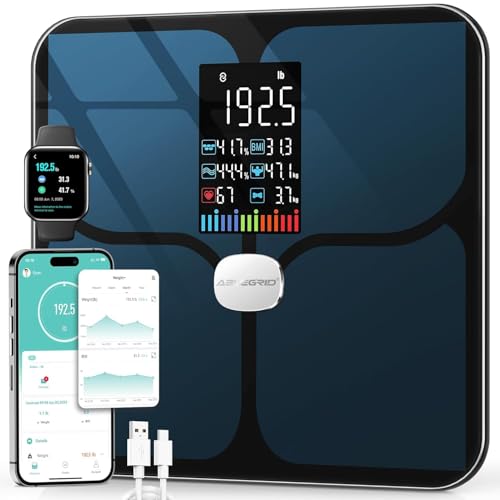
ABLEGRID Body Fat Scale,Digital Smart Bathroom Scale for Body Weight, Large Color Display Screen, 16 Body Composition Metrics BMI, Water Weigh, Heart Rate, Baby Mode, 400lb, Rechargeable
1.FSA & HSA Eligible/16 Essential Body Composition Analysis:Weight scale utilizes BIA to measure 16 body data include body...
As an affiliate, we earn on qualifying purchases.

Relaxium Calm - Stress, Mood + Immune Support Supplement, Non-Habit Forming with Ashwagandha, 5-HTP & GABA, Mushroom Blend. Made in USA, 60 Capsules
STRESS & MOOD STABILIZER: Relaxium Calm, made with Ashwagandha, uses a whole-body solution to help manage stress and...
As an affiliate, we earn on qualifying purchases.