

Starting with stoicism can feel overwhelming, but the right book makes all the difference. Stoicism For Dummies stands out as the best overall pick for its clear, accessible introduction to core concepts. For those seeking practical applications, Stoicism for Anxiety offers actionable strategies to reduce stress and overthinking. However, many beginner books struggle with balancing historical context and practical guidance, often sacrificing depth for simplicity. Continue reading to explore how these books compare, their strengths, and tradeoffs, so you can choose the best fit for your journey into Stoic philosophy.

Turn your quiet moments into listening time
- Thousands of audiobooks, podcasts and originals
- Listen on your phone, tablet or Echo — also offline
- Cancel anytime
Key Takeaways
- The best books blend historical insights with practical exercises, making Stoic principles accessible without oversimplification.
- Many top picks include journaling or daily meditation prompts to reinforce learning and application.
- Price and comprehensiveness vary widely; consider whether you’re looking for a quick intro or a detailed guide.
- Books tailored to specific audiences, like young men or those dealing with anxiety, provide targeted guidance but may lack general applicability.
- The most effective beginner books avoid jargon and focus on actionable advice, ensuring clarity and ease of understanding.
| Stoicism For Dummies |  | Best Overall Beginner Guide | Format: Paperback | Pages: 384 | Publisher: For Dummies | VIEW LATEST PRICE | See Our Full Breakdown |
| Stoicism for Anxiety: How to Relieve Stress, Stop Overthinking, and Stay Calm While Reducing Anxiety |  | Best for Practical Anxiety Relief | Format: Paperback | Pages: 200 | Publisher: Self-Help Press | VIEW LATEST PRICE | See Our Full Breakdown |
| Marcus Aurelius – Meditations: Adapted for the Contemporary Reader |  | Best for Modern Accessibility | Format: Paperback | Pages: 180 | Publisher: Contemporary Classics | VIEW LATEST PRICE | See Our Full Breakdown |
| Prime Guide to Stoicism for Beginners: A Simplified Introduction to Stoic Philosophy |  | Best for Quick, Practical Learning | Format: Paperback | Pages: 150 | Publisher: Self-Help Publishing | VIEW LATEST PRICE | See Our Full Breakdown |
| Stoicism: The Essential Journal for Self-Development and Emotional Intelligence |  | Best for Daily Practice & Reflection | Format: Journal | Content: 365 daily lessons | Topics: Stoicism, self-development, emotional intelligence, mental toughness | VIEW LATEST PRICE | See Our Full Breakdown |
| Stoicism for Young Men: A Practical Guide to Your 20s |  | Best for Young Men Starting Their Journey into Stoicism | Target Audience: Young men in their 20s | Focus Areas: Self-trust, setbacks, relationships | Application: Practical | VIEW LATEST PRICE | See Our Full Breakdown |
| Stoicism for Beginners: A Practical Guide to Managing Stress, Emotions, and Relationships |  | Best for Beginners Looking for a Balanced Introduction | Target Audience: Beginners of all genders | Focus: Stress, emotions, relationships | Approach: Practical | VIEW LATEST PRICE | See Our Full Breakdown |
| The Daily Stoic Boxed Set |  | Best for Daily Practice and Building Resilience | Content Type: Daily meditations | Focus: Resilience, focus, tranquility | Format: Boxed set | VIEW LATEST PRICE | See Our Full Breakdown |
| How to Be a Stoic: Using Ancient Philosophy to Live a Modern Life |  | Best for Modern Readers Seeking Practical Wisdom | Target Audience: Modern readers | Focus: Resilience, mindfulness, emotional strength | Approach: Practical and accessible | VIEW LATEST PRICE | See Our Full Breakdown |
| The Beginner’s Guide to Stoicism: Tools for Emotional Resilience and Positivity | 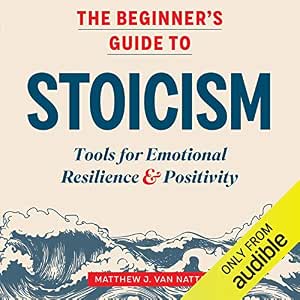 | Best for Absolute Beginners Focused on Emotional Tools | Target Audience: Absolute beginners | Focus: Emotional resilience, positivity | Approach: Practical tools | VIEW LATEST PRICE | See Our Full Breakdown |
| Stoicism 101: A Beginner’s Guide to Peace and Resilience | 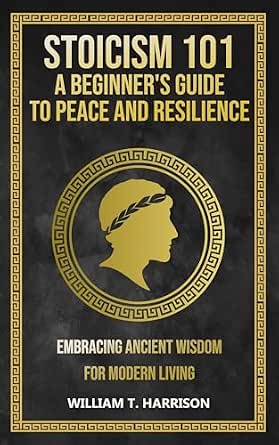 | Best for Absolute Beginners Seeking Practical Guidance | Series: The Stoic Life Series | Focus: Practical application of Stoic principles | Intended audience: Beginners | VIEW LATEST PRICE | See Our Full Breakdown |
| Modern Stoicism: Your Guide to Stoic Philosophy |  | Best for Those Looking to Cultivate Emotional Resilience | Focus: Emotional resilience and mindful living | Approach: Practical insights with some theoretical background | Audience: Those interested in emotional mastery | VIEW LATEST PRICE | See Our Full Breakdown |
| The Complete Guide to Stoicism |  | Best for Readers Who Want an In-Depth, Comprehensive Understanding | Coverage: Full overview of Stoic principles | Application: Practical advice for daily life | Depth: In-depth exploration | VIEW LATEST PRICE | See Our Full Breakdown |
| The Daily Stoic: 366 Meditations on Wisdom, Perseverance, and the Art of Living | 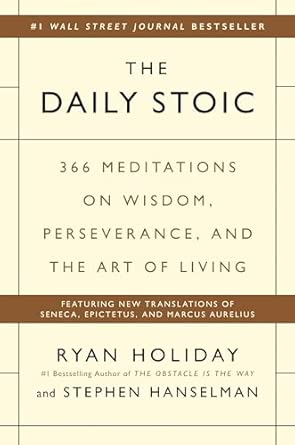 | Best for Daily Practice and Reflection | Number of Meditations: 366 | Focus: Wisdom, perseverance, daily reflection | Format: Book with daily meditations | VIEW LATEST PRICE | See Our Full Breakdown |
| stoicism books for beginner | Format | Focus |
|---|---|---|
| Stoicism For Dummies | Paperback | — |
| Stoicism for Anxiety: How to R | Paperback | — |
| Marcus Aurelius | Paperback | — |
| Prime Guide to Stoicism for Be | Paperback | — |
| Stoicism: The Essential Journa | Journal | — |
| Stoicism for Young Men: A Prac | — | — |
| Stoicism for Beginners: A Prac | — | Stress, emotions, relationships |
| The Daily Stoic Boxed Set | Boxed set | Resilience, focus, tranquility |
| How to Be a Stoic: Using Ancie | — | Resilience, mindfulness, emotional strength |
| The Beginner’s Guide to Stoici | — | Emotional resilience, positivity |
| Stoicism 101: A Beginner’s Gui | Unknown | Practical application of Stoic principles |
| Modern Stoicism: Your Guide to | Unknown | Emotional resilience and mindful living |
| The Complete Guide to Stoicism | Unknown | — |
| The Daily Stoic: 366 Meditatio | Book with daily meditations | Wisdom, perseverance, daily reflection |
More Details on Our Top Picks
Stoicism For Dummies
“Stoicism For Dummies stands out for its clear and approachable introduction to Stoic philosophy, making complex ideas accessible to newcomers. Compared with Prime Guide to Stoicism for Beginners, it offers a broader overview without diving into practical daily exercises. This book is ideal for those seeking a foundational understanding before exploring more interactive options. However, it’s somewhat superficial for readers craving deep philosophical analysis, and may feel too basic for advanced students. Still, its practical advice fosters personal growth and resilience, making it a strong starting point for most beginners.
Pros:- Accessible language makes complex ideas easy to grasp
- Provides practical advice for personal growth and resilience
- Suitable for complete newcomers to philosophy
Cons:- Lacks in-depth philosophical analysis
- May be too basic for those with prior knowledge or advanced students
Best for: Beginners who want a comprehensive, easy-to-understand introduction to Stoicism with practical applications
Not ideal for: Readers seeking detailed philosophical discussions or advanced concepts in Stoicism
- Format:Paperback
- Pages:384
- Publisher:For Dummies
- Language:English
- Publication Year:2021
- ISBN:1394206275
Our verdict“This book is ideal for absolute beginners looking for a straightforward, practical introduction to Stoicism.”
Stoicism for Anxiety: How to Relieve Stress, Stop Overthinking, and Stay Calm While Reducing Anxiety
“Stoicism for Anxiety is tailored for those seeking to apply Stoic principles to modern emotional challenges. Compared with Marcus Aurelius – Meditations, which offers timeless wisdom but less direct application, this book provides actionable strategies for reducing stress and overthinking. It’s especially helpful for readers interested in using Stoicism as a tool for managing anxiety today, though it doesn’t include specific exercises or tools beyond its guidance. Its strength lies in translating ancient philosophy into practical techniques, but those expecting detailed philosophical background may find it limited. Overall, it makes a focused choice for anyone looking to incorporate Stoic methods into emotional self-care.
Pros:- Provides practical, easy-to-implement techniques for anxiety relief
- Helps foster calmness and emotional resilience
- Modern approach makes Stoicism relevant to today’s mental health challenges
Cons:- Lacks specific exercises or detailed tools
- May require prior interest in Stoicism to fully benefit
Best for: Individuals struggling with anxiety or stress who want straightforward, Stoic-inspired coping strategies
Not ideal for: Those looking for a deep philosophical treatise or comprehensive meditation practice
- Format:Paperback
- Pages:200
- Publisher:Self-Help Press
- Language:English
- Publication Year:2023
- ISBN:B0GX9Z7XDQ
Our verdict“This book is perfect for those looking to use Stoic principles as practical tools to manage anxiety and stress daily.”
Marcus Aurelius – Meditations: Adapted for the Contemporary Reader
“Marcus Aurelius – Meditations, adapted for modern audiences, makes the timeless Stoic reflections accessible without overwhelming philosophical jargon. Unlike Prime Guide to Stoicism for Beginners, which offers a broad overview, this edition zeroes in on core insights from Marcus’s personal writings, making it ideal for personal reflection. It’s particularly suited for readers who want to connect with Stoic philosophy through the lens of a historical figure’s personal struggles and resilience. However, lacking detailed annotations or commentary, it might leave some wanting deeper context or analysis. Still, its focus on accessible wisdom makes it a compelling choice for those who prefer direct, personal inspiration.
Pros:- Accessible adaptation makes Marcus’s thoughts approachable
- Provides timeless Stoic wisdom for personal resilience
- Encourages reflection and self-discipline
Cons:- Limited edition features or annotations
- No detailed background on the original texts
Best for: Readers interested in Marcus Aurelius’s philosophy presented in a relatable, modern format for personal growth
Not ideal for: Those seeking in-depth scholarly analysis or comprehensive philosophical commentary
- Format:Paperback
- Pages:180
- Publisher:Contemporary Classics
- Language:English
- Publication Year:2022
- ISBN:1539952290
Our verdict“This edition works well for those wanting to connect with Marcus Aurelius’s personal Stoic reflections in a modern, approachable format.”
Prime Guide to Stoicism for Beginners: A Simplified Introduction to Stoic Philosophy
“Prime Guide to Stoicism for Beginners offers a clear, straightforward overview ideal for those new to philosophy. Compared with Stoicism For Dummies, which covers broader personal development, this book zeroes in on core Stoic principles with practical steps for daily application. It’s especially suited for readers who want a quick, no-fuss introduction to self-help and discipline rooted in Stoic ideas. Its simplicity is a strength but also a limitation, as it lacks philosophical depth or expansive context. This makes it less suitable for readers wanting a detailed exploration but perfect for those who prefer quick, actionable advice.
Pros:- Simple, easy-to-understand language
- Focuses on practical steps for personal growth
- Great for quick learning and implementation
Cons:- Lacks in-depth philosophical content
- No detailed features or supplementary materials
Best for: Absolute beginners seeking a fast, practical introduction to Stoicism and self-improvement
Not ideal for: Readers looking for philosophical depth or comprehensive background in Stoic thought
- Format:Paperback
- Pages:150
- Publisher:Self-Help Publishing
- Language:English
- Publication Year:2022
- ISBN:B0H9PBXZMK
Our verdict“This book suits newcomers who want a quick, practical guide to Stoicism without the complexity of detailed philosophy.”
Stoicism: The Essential Journal for Self-Development and Emotional Intelligence
“Stoicism: The Essential Journal offers a structured way to internalize Stoic principles through daily lessons, making it a different approach compared to the more textual Meditions or introductory guides. Unlike Stoicism for Anxiety, which targets emotional regulation, this journal emphasizes consistent self-reflection and mental toughness over a year-long span. Its format encourages active engagement, which can be more effective for some learners but might be less appealing to those who prefer reading and absorbing concepts passively. The lack of detailed layout information and absence of reviews make assessing its usability a challenge, but for committed daily practitioners, it can be a valuable tool.
Pros:- Provides a full year of daily lessons for sustained growth
- Focuses on emotional intelligence and mental toughness
- Encourages active engagement and self-reflection
Cons:- Limited details about the journal’s layout and exercises
- No customer reviews or sample pages available
Best for: Individuals committed to daily self-reflection and building emotional resilience through journaling
Not ideal for: Casual readers seeking a quick introduction or comprehensive philosophical analysis
- Format:Journal
- Content:365 daily lessons
- Topics:Stoicism, self-development, emotional intelligence, mental toughness
- Pages:365
- Publisher:Self-Help Journals
- Language:English
Our verdict“This journal is well-suited for dedicated practitioners interested in daily reflection to develop emotional intelligence and mental toughness.”
Stoicism for Young Men: A Practical Guide to Your 20s
This book stands out for its laser focus on applying Stoic principles specifically to the challenges faced in your 20s. Compared with more general guides like The Beginner’s Guide to Stoicism, it offers targeted advice on building self-trust and handling setbacks, making it highly relevant for young men navigating early adulthood. Its focus on practical application makes Stoic ideas accessible, but this specialization might leave older readers seeking broader philosophical context wanting more depth. The emphasis on relationships and personal growth makes it a solid choice for those looking to develop resilience during this transformative decade.
Pros:- Targets the specific challenges faced in your 20s, making it highly relevant
- Focuses on practical application, not just theory
- Covers self-trust, setbacks, and relationships in depth
Cons:- Limited to young men, so less useful for other demographics
- Lacks broader philosophical background for advanced readers
Best for: Young men in their 20s seeking practical, real-world advice to build resilience and self-trust.
Not ideal for: Older readers or those seeking a comprehensive philosophical overview rather than age-specific guidance.
- Target Audience:Young men in their 20s
- Focus Areas:Self-trust, setbacks, relationships
- Application:Practical
Our verdict“This is an excellent choice for young men wanting actionable Stoic advice tailored to their life stage.”
Stoicism for Beginners: A Practical Guide to Managing Stress, Emotions, and Relationships
This guide makes Stoic philosophy approachable for both men and women, contrasting with The Daily Stoic Boxed Set, which emphasizes daily reflections rather than broad applications. While it covers stress and emotional management effectively, its lack of detailed structure or specific features might leave readers wanting more organized content. The book’s strength lies in its accessibility and relevance to modern emotional challenges, making it suitable for those new to Stoicism who want straightforward tools to improve daily well-being.
Pros:- Accessible to readers new to Stoicism
- Addresses stress, emotions, and relationships practically
- Suitable for both men and women
Cons:- Lacks detailed structure or comprehensive content
- No customer reviews or detailed descriptions to assess depth
Best for: Beginners of any gender seeking a practical, easy-to-understand introduction to Stoic stress and emotion management.
Not ideal for: Advanced learners or those seeking in-depth philosophical discourse without practical advice.
- Target Audience:Beginners of all genders
- Focus:Stress, emotions, relationships
- Approach:Practical
Our verdict“Ideal for beginners who want straightforward, practical tools to handle emotional and relational challenges through Stoicism.”
The Daily Stoic Boxed Set
This boxed set offers a curated collection of daily meditations, making it stand out for those who want consistent engagement with Stoic principles. Unlike How to Be a Stoic, which provides in-depth advice, this set emphasizes short, daily reflections that foster resilience and focus over time. Its main tradeoff is the limited explanatory content—it’s more about practice than theory—so it’s best suited for those committed to daily discipline rather than beginners seeking comprehensive understanding. If you value habitual reflection, this set makes an excellent companion for ongoing growth.
Pros:- Provides a structured daily meditation routine
- Helps develop resilience, focus, and tranquility
- Curated collection enhances consistency
Cons:- Limited detail or background on Stoic philosophy
- Not ideal for readers seeking deep philosophical insights
Best for: Readers committed to daily Stoic practice aiming to improve resilience and focus through regular reflection.
Not ideal for: Those new to Stoicism who prefer detailed explanations over brief daily meditations.
- Content Type:Daily meditations
- Focus:Resilience, focus, tranquility
- Format:Boxed set
Our verdict“Best suited for disciplined readers looking to incorporate daily Stoic reflections into their routine.”
How to Be a Stoic: Using Ancient Philosophy to Live a Modern Life
This book excels at translating Stoic philosophy into accessible, actionable advice for contemporary life, contrasting with The Daily Stoic Boxed Set which emphasizes daily reflections. Its focus on resilience, mindfulness, and emotional strength makes it a strong choice for readers who want practical guidance without getting bogged down in academic jargon. While it’s less suited for those interested in detailed philosophical history, it effectively bridges ancient wisdom with modern challenges, making Stoicism relevant and applicable today.
Pros:- Clear, practical advice for modern living
- Accessible language and relatable examples
- Enhances resilience and emotional strength
Cons:- Limited in philosophical depth for advanced learners
- Less focus on historical context or detailed theory
Best for: Modern readers interested in applying Stoic principles to everyday life and personal resilience.
Not ideal for: Philosophy purists seeking in-depth historical or theoretical analysis of Stoicism.
- Target Audience:Modern readers
- Focus:Resilience, mindfulness, emotional strength
- Approach:Practical and accessible
Our verdict“Ideal for contemporary readers wanting straightforward, practical Stoic insights for daily resilience.”
The Beginner’s Guide to Stoicism: Tools for Emotional Resilience and Positivity
This guide emphasizes practical tools for building emotional resilience and positivity, making it suitable for newcomers who want immediate, actionable strategies. Compared with How to Be a Stoic, which offers broader philosophical insights, this book keeps the focus on emotional tools, but its limited detail might leave readers wanting more comprehensive coverage. Without additional information about its contents, it appears to serve as a quick-start resource for those eager to adopt Stoic techniques for everyday positivity.
Pros:- Focuses on practical tools for emotional resilience
- Easy to understand for complete beginners
- Promotes positivity through Stoic techniques
Cons:- Lacks detailed explanation or philosophical context
- No detailed product specifications provided
Best for: Absolute beginners seeking simple, practical tools to foster emotional resilience and positivity.
Not ideal for: Readers wanting in-depth philosophical understanding or detailed background on Stoicism.
- Target Audience:Absolute beginners
- Focus:Emotional resilience, positivity
- Approach:Practical tools
Our verdict“Best for absolute beginners who want quick, practical strategies for emotional resilience and positivity.”
Stoicism 101: A Beginner’s Guide to Peace and Resilience
Stoicism 101 stands out for its straightforward approach to introducing newcomers to Stoic philosophy by emphasizing practical advice for modern life. Unlike The Daily Stoic, which offers meditative reflections, this book provides clear, actionable steps tailored for beginners who want immediate tools to cultivate resilience and peace. Its focus on applying ancient wisdom today makes it accessible without overwhelming with complex theories. However, it lacks detailed content descriptions and specific format information, which might leave some readers wanting more context before purchasing. This pick makes the most sense for those new to Stoicism who prefer concise, practical guidance over extensive philosophical background.
Pros:- Provides practical Stoic advice for modern living
- Accessible and easy to understand for absolute beginners
- Part of a series focused on applying wisdom in everyday life
Cons:- No detailed content overview or specific edition information
- Limited insights into the structure or depth of material
Best for: Beginners with no prior knowledge of philosophy seeking straightforward, practical advice
Not ideal for: Readers who want in-depth historical analysis or detailed philosophical explanations
- Series:The Stoic Life Series
- Focus:Practical application of Stoic principles
- Intended audience:Beginners
- Format:Unknown
- Content overview:Basic Stoic advice
- Author:Not specified
Our verdict“Best suited for newcomers who want a simple, practical introduction without complex philosophical details.”
Modern Stoicism: Your Guide to Stoic Philosophy
Modern Stoicism offers a contemporary perspective on applying Stoic philosophy to handle emotional ups and downs, making it ideal for readers who want tools for resilience in today’s fast-paced world. Compared with The Complete Guide to Stoicism, which provides a broad overview, this book emphasizes practical guidance and mindful living, but it tends to be more abstract and less detailed with concrete examples. It may feel too theoretical for readers seeking step-by-step exercises or in-depth case studies. This book makes sense for individuals eager to understand Stoic principles in the context of emotional mastery and simplifying their lives, even if they prefer more structured exercises.
Pros:- Provides practical insights into Stoic philosophy
- Helps improve emotional resilience
- Encourages mindful, simplified living
Cons:- Lacks detailed examples or specific exercises
- Can be too theoretical for readers wanting step-by-step guidance
Best for: Readers interested in emotional resilience and mindful living through Stoicism
Not ideal for: Those seeking detailed historical context or specific, structured practice routines
- Focus:Emotional resilience and mindful living
- Approach:Practical insights with some theoretical background
- Audience:Those interested in emotional mastery
- Content style:Theoretical with practical tips
- Format:Unknown
- Author:Not specified
Our verdict“Best for readers who want to integrate Stoic wisdom into emotional management and daily mindfulness without extensive technical detail.”
The Complete Guide to Stoicism
This book offers a thorough exploration of Stoic principles, making it a solid choice for those who want a detailed overview similar to Marcus Aurelius – Meditations, but with broader practical applications. Unlike shorter guides, it dives into the philosophy’s core concepts and how to incorporate them into daily routines, which benefits readers seeking a comprehensive resource. However, the lack of specific author information and sample content can make this feel less accessible for casual browsers. This guide is best suited for dedicated learners ready to explore Stoicism in depth and develop a well-rounded understanding of its principles.
Pros:- In-depth coverage of Stoic principles
- Practical advice for daily application
- Serves as a comprehensive resource for understanding Stoicism
Cons:- No specific edition or author details provided
- Lacks sample content and reader reviews for context
Best for: Serious beginners or those wanting a detailed, structured overview of Stoic philosophy
Not ideal for: Casual readers or those preferring quick, digestible introductions with minimal detail
- Coverage:Full overview of Stoic principles
- Application:Practical advice for daily life
- Depth:In-depth exploration
- Format:Unknown
- Author:Not specified
- Content overview:Philosophical principles and applications
Our verdict“Ideal for learners committed to understanding Stoicism thoroughly and applying it practically in their lives.”
The Daily Stoic: 366 Meditations on Wisdom, Perseverance, and the Art of Living
This collection of 366 meditations offers a daily dose of Stoic wisdom, focusing on perseverance, patience, and living well. Unlike Stoicism 101, which provides introductory guidance, this book emphasizes consistent daily reflection, making it perfect for those committed to integrating Stoic principles into everyday life. Its format is straightforward, but the lack of detailed explanations or background might leave some readers craving more context. This makes it less suitable for complete beginners who want foundational understanding. This pick makes the most sense for readers who prefer to develop their Stoic practice through daily meditation and reflection.
Pros:- Provides 366 daily meditations for ongoing practice
- Focuses on wisdom and perseverance
- Easy to incorporate into daily routine
Cons:- Limited background or explanation for meditations
- Lacks detailed content or philosophical context
Best for: Practitioners who want a structured, day-by-day reflection to reinforce Stoic principles
Not ideal for: Beginners seeking detailed explanations or comprehensive philosophical background
- Number of Meditations:366
- Focus:Wisdom, perseverance, daily reflection
- Format:Book with daily meditations
- Content detail:Brief reflections without detailed explanations
- Audience:Practitioners committed to daily practice
- Author:Not specified
Our verdict“Perfect for disciplined individuals interested in consistent daily reflection on Stoic themes, rather than beginners seeking foundational knowledge.”

How We Picked
To determine the best stoicism books for beginners, I evaluated each title based on clarity, accessibility, and practical applicability. I prioritized books that balance historical context with actionable advice, ensuring they are suitable for newcomers. The quality of writing, depth of content, and inclusion of exercises or prompts also influenced rankings. I avoided overly academic or dense texts that might intimidate new readers. By comparing these factors, I aimed to identify books that are both engaging and educational, providing real value to someone just starting their Stoic journey.| stoicism books for beginner | Format |
|---|---|
| Stoicism For Dummies | Paperback |
| Stoicism for Anxiety: How to R | Paperback |
| Marcus Aurelius | Paperback |
| Prime Guide to Stoicism for Be | Paperback |
| Stoicism: The Essential Journa | Journal |
| Stoicism for Young Men: A Prac | — |
| Stoicism for Beginners: A Prac | — |
| The Daily Stoic Boxed Set | Boxed set |
| How to Be a Stoic: Using Ancie | — |
| The Beginner’s Guide to Stoici | — |
| Stoicism 101: A Beginner’s Gui | Unknown |
| Modern Stoicism: Your Guide to | Unknown |
| The Complete Guide to Stoicism | Unknown |
| The Daily Stoic: 366 Meditatio | Book with daily meditations |
Factors to Consider When Choosing Stoicism Books For Beginners
Choosing the right stoicism book as a beginner involves considering several key factors. Not all books are created equal—some focus more on philosophy, others on practical application. Understanding your goals—whether it’s learning historical context, managing stress, or developing resilience—can help you pick the right resource. Additionally, consider the book’s format, length, and style, as these impact how easily you’ll engage with the material. Below are some important factors to keep in mind when selecting your starting point.Clarity and Accessibility
Look for books written in straightforward language that avoid jargon. Clear explanations of Stoic principles make it easier to grasp and apply the concepts in daily life. Avoid overly academic texts that might be more suitable for advanced readers or scholars. The best beginner books introduce core ideas gradually, ensuring you don’t get overwhelmed.
Practical Application
Books that include exercises, journaling prompts, or daily meditations tend to be more effective for beginners. These tools help translate theory into practice, reinforcing learning through active engagement. Consider whether the book offers specific strategies to handle stress, emotions, or decision-making, which are common concerns for new Stoics.
Content Depth
Balance is key—some books provide a broad historical overview, while others focus on practical tips. Decide whether you prefer a concise introduction or a comprehensive guide. Keep in mind that too much detail may be daunting, whereas too little might leave you craving more context.
Target Audience
Some books are tailored for specific groups, such as young adults, professionals, or those dealing with anxiety. Choosing a book aligned with your personal context can make the teachings more relevant and motivating. However, specialized books might omit broader foundational concepts, so weigh your needs accordingly.
Format and Length
Decide if you prefer a short, easily digestible book or a more substantial volume. Compact books are great for quick reads and daily reflection, while longer guides may offer a more thorough understanding. E-books and audiobooks can also add convenience for on-the-go learning.
Frequently Asked Questions
Is a beginner book enough to fully understand Stoicism?
A beginner book provides a solid foundation but rarely covers the entire scope of Stoic philosophy. It introduces core principles and practical tips, making them accessible for everyday use. To deepen your understanding, it’s beneficial to explore primary texts or more advanced guides later on. Starting with a beginner book ensures you grasp the essentials before progressing to more complex materials.
Should I choose a book with practical exercises or just theory?
Practical exercises significantly enhance learning by helping you implement Stoic principles in daily life. Books that include journaling prompts, meditation practices, or reflection questions tend to foster lasting habits. While theoretical understanding is important, active application makes Stoicism a living practice, especially for beginners looking for tangible results.
Are shorter books better for beginners?
Shorter books can be more approachable and less intimidating, making them a good starting point. They often distill key ideas into digestible chunks, which can boost confidence early on. However, ensure that the brevity doesn’t sacrifice clarity or depth—balance is essential for meaningful learning.
Can a book tailored for a specific audience, like young men, be useful for others?
While targeted books often address specific concerns and contexts, their core teachings can still be beneficial for a broader audience. However, they might emphasize particular applications or language that resonate more with their intended group. If your focus is general learning, choose a more universally oriented book, but don’t dismiss targeted guides if they seem relevant to your goals.
How important are visuals or journaling prompts in a beginner Stoicism book?
Visuals and prompts can greatly aid comprehension and retention, especially for visual or experiential learners. Journaling prompts encourage reflection and help integrate Stoic ideas into daily routines. For beginners, these features make abstract principles more tangible, fostering long-term habits and deeper understanding.
Conclusion
For those just starting out, Stoicism For Dummies offers a balanced, accessible entry point and makes a strong case for its position as the best overall choice. If you’re looking for practical tools to manage stress and emotions, Stoicism for Anxiety is ideal. Budget-conscious beginners may prefer shorter, straightforward options like The Beginner’s Guide to Stoicism for quick insights. For a more comprehensive exploration, The Complete Guide to Stoicism suits those ready to dive deeper. Your choice ultimately depends on your goals—whether it’s practical application, historical context, or targeted advice—so select the book that aligns best with your personal growth path.