
Japanese stoic traditions blend Bushido’s discipline, resilience, and emotional restraint with influences from Zen, Confucianism, and Buddhism. These values shape how individuals handle adversity, emphasizing self-control, moral integrity, and inner calm. Modern mindfulness practices continue this legacy by fostering resilience and clarity. If you explore further, you’ll discover how these ancient principles still influence Japanese culture and its approach to personal growth today.
Key Takeaways
- Japanese meditative practices like Zen foster Stoic virtues such as calmness, self-control, and emotional resilience.
- The Bushido code embodies Stoic principles like duty, endurance, and emotional restraint among samurai warriors.
- Confucian and Buddhist influences shape Japanese cultural values of virtue, discipline, and societal harmony aligned with Stoic ideals.
- Resilience and self-control ingrained through historical traditions influence modern mindfulness and emotional regulation techniques.
- Contemporary Japanese practices integrate Stoic concepts to cultivate internal peace, resilience, and acceptance of life’s uncontrollable aspects.

Have you ever wondered if stoic principles have found a place in Japanese culture? It’s an intriguing question, especially when you consider the rich history of meditative practices and philosophical influences that shape Japan’s worldview. While Stoicism originated in Greece, its core ideas resonate subtly within Japan’s spiritual and ethical traditions. You might notice this connection through practices like Zen meditation, which emphasize mental discipline, emotional resilience, and the acceptance of things beyond your control. These meditative practices serve as a bridge between ancient Stoic ideals and Japanese spiritual life, fostering a sense of inner calm and clarity. They encourage you to observe your thoughts and feelings without attachment, aligning with the Stoic pursuit of tranquility amid life’s chaos. Philosophical influences, such as Confucianism and Buddhism, have also played a role in shaping Japan’s approach to virtue, self-control, and societal harmony. These influences promote a disciplined mindset and an emphasis on moral integrity—traits that echo Stoic virtues like wisdom, temperance, and justice. Additionally, the emphasis on emotional resilience in Japanese culture highlights a shared value with Stoic philosophy, emphasizing strength in the face of adversity. Historically, the samurai code of Bushido embodies many Stoic principles. You can see echoes of resilience, duty, and emotional restraint in the way samurai valued stoic endurance in the face of adversity. Bushido emphasized loyalty and self-control, urging warriors to maintain composure regardless of circumstances. This code was less about emotional expression and more about unwavering discipline, much like Stoic ideals of enduring hardship with equanimity. Over time, these values permeated broader Japanese culture, influencing how individuals handle challenges and setbacks. Even in modern Japan, mindfulness and meditative techniques continue to be crucial, helping people cultivate a stoic mindset—focused, calm, and resilient. You’re encouraged to practice awareness of your thoughts, manage your emotions, and accept life’s unpredictability, all central themes in both Stoicism and Japanese spiritual practices. In essence, Japanese culture subtly intertwines Stoic principles through its meditative practices and philosophical influences. Whether it’s the disciplined serenity of a Zen monk, the moral rigor of Bushido, or contemporary mindfulness routines, you’re invited to develop resilience and clarity. These traditions teach you that while you cannot control external events, your internal response defines your peace of mind. That’s a timeless lesson that bridges ancient Greek philosophy with Japan’s spiritual ethos, demonstrating how deeply rooted Stoic ideals are in the fabric of Japanese life.

Retrospec Sedona Zafu Meditation Cushion with Buckwheat Hull Fill - Adjustable Yoga & Pilates Equipment Support - 17in Crescent Cotton Cover
NATURAL COMFORT & SUPPORT: Filled with sustainable buckwheat hulls, this meditation cushion elevates your practice by aligning your...
As an affiliate, we earn on qualifying purchases.
Frequently Asked Questions
How Did Stoic Philosophy Influence Japanese Martial Arts?
You see, stoic philosophy deeply influences Japanese martial arts through Samurai discipline and Bushido ethics. It teaches you to master your emotions, maintain focus, and act with integrity under pressure. These principles shape martial arts training by emphasizing mental clarity, self-control, and resilience. As a result, practitioners develop not just physical skill but also inner strength, embodying the stoic ideals of discipline and ethical conduct rooted in Bushido.
Are There Modern Japanese Movements Explicitly Based on Stoicism?
You’ll find that some modern Japanese movements, like certain corporate leadership strategies and psychological approaches, draw inspiration from stoicism. These approaches emphasize emotional resilience, discipline, and mindfulness, aligning with stoic principles. By adopting these ideas, you can improve decision-making, handle stress better, and lead with calm confidence. While not explicitly labeled as stoic, these movements reflect its core values, blending traditional philosophy with contemporary mental health and business practices.
How Does Zen Buddhism Intersect With Stoic Principles in Japan?
Zen Buddhism intersects with stoic principles through its emphasis on meditative discipline, acceptance, and resilience. You practice meditation to cultivate inner calm and clarity, much like stoics focus on emotional resilience. Both traditions teach you to accept what you cannot control and remain steadfast in adversity. This shared focus helps you develop a calm, resilient mindset, blending Zen’s mindfulness with stoic endurance for a balanced approach to life’s challenges.
What Role Do Japanese Literature and Poetry Play in Stoic Thought?
Your Japanese literature and poetry serve as powerful vessels of stoic thought, revealing truths through literary symbolism and poetic resilience. They inspire you to embrace impermanence, find serenity amid chaos, and reflect on life’s transient nature. By engaging with haiku and classical texts, you tap into a deep well of wisdom that strengthens your inner calm and helps you navigate life’s hardships with grace and unwavering strength.
Can Stoic Practices Be Integrated Into Contemporary Japanese Daily Life?
You can definitely incorporate stoic practices into your daily routines through cultural adaptation. Start by practicing mindfulness and self-discipline, which align with traditional Japanese values. Use moments of quiet reflection to manage stress and cultivate resilience. By integrating these principles into everyday activities—like work, meditation, or even interactions—you’ll develop a calmer, more focused mindset that resonates with modern Japanese life, making stoicism a natural part of your routine.
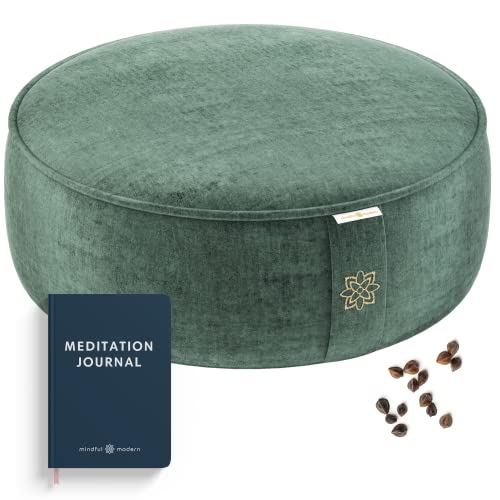
Mindful & Modern Velvet Meditation Cushion | Luxe Zafu Yoga Floor Pillow Seat | Posture Support | Buckwheat Hull Filled | Large Round Cushion with Removable Washable Cover + Carry Handle | Color Green
PROPER POSTURE AND SPINAL HEALTH - Our large luxurious velvety pillows are designed to ergonomically support your spine...
As an affiliate, we earn on qualifying purchases.
Conclusion
Imagine walking through a quiet garden, each step guided by timeless stones laid with purpose and discipline. Just like these stones, Japan’s stoic traditions— from Bushido to mindfulness—shape your resilience and calm amidst life’s storms. Embrace this path, knowing it’s a steady voyage through inner landscapes, where strength and serenity grow side by side. As you walk forward, carry these ancient lessons like gentle lanterns lighting your way through every challenge.
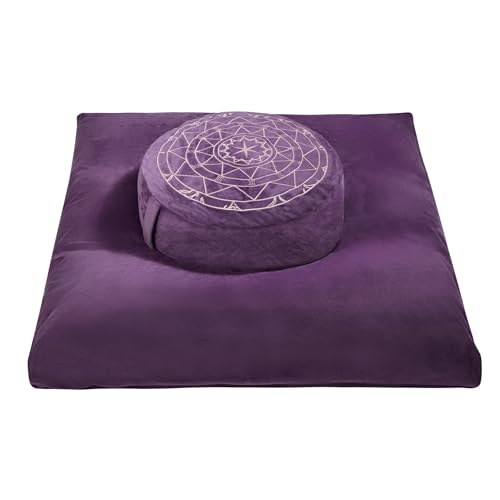
Zafu & Zabuton Meditation Cushion Set - Buckwheat Hull & Memory Foam Pillows, Ergonomic Support for Yoga, Mindfulness - Organic Velvet Cover, Large Size, Durable Comfort (Purple)
Ergonomic Pain Relief & Superior Comfort:Engineered to eliminate knee and leg strain, our dual-fill system combines 100% natural...
As an affiliate, we earn on qualifying purchases.

Mindful & Modern Large Meditation Cushion for Zafu Yoga - Meditation Pillow for Sitting on the Floor - Buckwheat Hull Filled Yoga Cushion with Removable, Washable 100% Cotton Cover and Carry Handle
PORTABLE FLOOR CUSHION FOR DEEP MEDITATION - Sitting on the floor is not comfortable for everyone. Enjoy this...
As an affiliate, we earn on qualifying purchases.