

To train your mind to want less, focus on mindful restraint and simplifying your lifestyle. Recognize your impulses and pause before acting on them, asking if they truly serve your purpose. Practice voluntary simplicity by prioritizing quality over quantity, and develop appreciation for what you already have. As you seed these habits, you’ll find greater contentment and inner peace. Keep exploring this path, and you’ll discover even more ways to master your desires.
Key Takeaways
- Cultivate mindful awareness of impulses to distinguish between genuine needs and fleeting cravings.
- Practice voluntary simplicity by intentionally reducing material possessions and focusing on meaningful experiences.
- Develop consistent mindfulness routines to decrease superficial desires and enhance appreciation for what you already have.
- Redirect desires towards personal growth, relationships, and inner fulfillment instead of external possessions.
- Recognize desire as transient, and foster self-control to make intentional choices that support long-term well-being.

Have you ever wondered how mastering your desires can lead to greater self-control and fulfillment? It’s a question that touches on the core of personal growth and inner peace. When you learn to manage what you want, instead of constantly chasing after more, you develop a stronger sense of purpose and contentment. One way to do this is through mindful restraint, a practice that involves being consciously aware of your impulses and choosing to hold back when necessary. This isn’t about denying yourself happiness but about creating space for genuine satisfaction rather than fleeting pleasures. By practicing mindful restraint, you gain clarity on what truly matters, helping you steer clear of impulsive decisions that often leave you feeling empty or dissatisfied.
Master your desires through mindful restraint for lasting fulfillment and inner peace.
Incorporating voluntary simplicity into your life is another powerful step toward mastering desire. It’s a deliberate choice to reduce excess and focus on what truly enriches your life. Instead of accumulating possessions or chasing after societal expectations, you prioritize quality over quantity, meaning over materialism. This shift allows you to break free from the cycle of consumerism that fuels constant desire. Voluntary simplicity isn’t about deprivation; it’s about intentionally aligning your lifestyle with your core values. As you simplify, you become more attuned to your genuine needs, which diminishes the power of superficial cravings. This process cultivates a sense of freedom and contentment, making it easier to resist unnecessary temptations and focus on what brings lasting fulfillment.
Training your mind to want less requires consistent effort. It’s about recognizing that desires are often transient and influenced by external influences rather than your authentic self. By practicing mindfulness regularly, you develop an awareness that helps you pause before acting on impulses. This pause grants you the opportunity to evaluate whether your desire is rooted in genuine need or fleeting craving. Over time, this awareness strengthens your ability to choose restraint intentionally. You begin to see that true happiness doesn’t come from constantly acquiring more but from appreciating what you already have and focusing on meaningful experiences. As your desire for superficial pleasures diminishes, you create space for deeper, more enduring sources of satisfaction—relationships, personal growth, and inner peace.
Furthermore, understanding the role of contrast ratio in visual quality can deepen your appreciation for the importance of subtle visual details in your pursuit of fulfillment, whether in entertainment or personal growth. Ultimately, mastering your desires isn’t about suppressing them; it’s about understanding and redirecting them. Through mindful restraint and voluntary simplicity, you learn to cultivate self-control that supports your well-being. This discipline allows you to live more intentionally, finding fulfillment in simplicity and cultivating a sense of peace that material pursuits can’t provide. It’s a journey of awareness and choice—one that transforms your relationship with desire and leads to a more balanced, meaningful life.

Retrospec Sedona Zafu Meditation Cushion with Buckwheat Hull Fill - Adjustable Yoga & Pilates Equipment Support - 17in Crescent Cotton Cover
NATURAL COMFORT & SUPPORT: Filled with sustainable buckwheat hulls, this meditation cushion elevates your practice by aligning your...
As an affiliate, we earn on qualifying purchases.
Frequently Asked Questions
How Does Desire Influence Long-Term Happiness?
Desire greatly influences your long-term happiness because it shapes your focus and emotional resilience. When you practice mindful awareness, you become aware of your desires without being controlled by them, reducing unnecessary craving. This awareness helps you build emotional resilience, making it easier to find contentment with what you have. Over time, training your mind to want less fosters lasting happiness, as you’ll prioritize fulfillment over fleeting cravings.
Can Reducing Desire Improve Mental Health?
Reducing desire can boost your mental health by promoting mindful moderation and craving management. When you cut back on excessive wants, you lessen feelings of frustration and anxiety. By practicing mindfulness, you become more aware of your cravings and learn to control them, which helps create a calmer, more balanced mindset. This approach allows you to focus on what truly matters, leading to improved emotional resilience and overall well-being.
What Are Common Pitfalls in Desire Regulation?
You might fall into common pitfalls like seeking instant gratification, obsessing over material possessions, and neglecting long-term fulfillment. These traps keep you chasing fleeting pleasures instead of cultivating lasting contentment. To avoid them, recognize when desire becomes a craving for quick fixes or material gain. Instead, focus on mindful awareness, patience, and appreciating what you already have, helping you regulate desires and build a more balanced, resilient mind.
How Does Culture Affect Our Perception of Desire?
Culture shapes your perception of desire through material culture and social norms. Material culture influences what you value and aspire to, making certain possessions or lifestyles desirable. Social norms set expectations about what’s appropriate to want, guiding your feelings and reactions. As a result, you may find yourself craving what’s widely accepted or celebrated, often without realizing how these cultural influences manipulate your desires and shape your sense of fulfillment.
Is Desire Training Effective for Everyone?
You might find desire training effective if you practice mindfulness and personal reflection regularly. For example, someone struggling with materialism learned to pause and reflect on their true needs, reducing unnecessary cravings. While it works for many, it’s not universal—some need tailored approaches or additional support. Ultimately, consistent mindfulness practices can help you better manage desires, but individual experiences vary based on personality and circumstances.
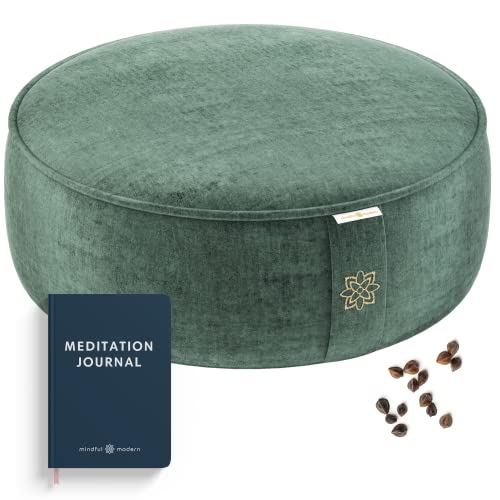
Mindful & Modern Velvet Meditation Cushion | Luxe Zafu Yoga Floor Pillow Seat | Posture Support | Buckwheat Hull Filled | Large Round Cushion with Removable Washable Cover + Carry Handle | Color Green
PROPER POSTURE AND SPINAL HEALTH - Our large luxurious velvety pillows are designed to ergonomically support your spine...
As an affiliate, we earn on qualifying purchases.
Conclusion
By mastering the discipline of desire, you’re planting seeds of calm in a restless garden. Each moment of restraint is like trimming a wild vine, allowing clarity and contentment to blossom. When you train your mind to want less, you’re steering your ship through stormy seas into tranquil waters. Embrace this journey, knowing that with each mindful choice, you’re sculpting a life of simplicity and peace—where desire no longer rules, but serves your true self.
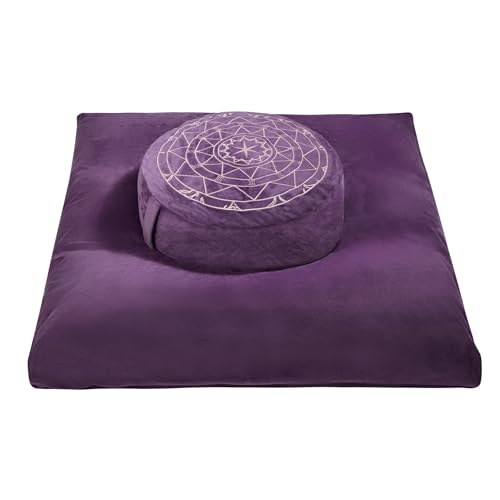
Zafu & Zabuton Meditation Cushion Set - Buckwheat Hull & Memory Foam Pillows, Ergonomic Support for Yoga, Mindfulness - Organic Velvet Cover, Large Size, Durable Comfort (Purple)
Ergonomic Pain Relief & Superior Comfort:Engineered to eliminate knee and leg strain, our dual-fill system combines 100% natural...
As an affiliate, we earn on qualifying purchases.

Mindful & Modern Large Meditation Cushion for Zafu Yoga - Meditation Pillow for Sitting on the Floor - Buckwheat Hull Filled Yoga Cushion with Removable, Washable 100% Cotton Cover and Carry Handle
PORTABLE FLOOR CUSHION FOR DEEP MEDITATION - Sitting on the floor is not comfortable for everyone. Enjoy this...
As an affiliate, we earn on qualifying purchases.