

To find peace through the dichotomy of control, start by identifying what’s within your power—your attitude, effort, and actions—and what’s outside your influence, like others’ reactions or external events. Reflect quietly, separating these areas clearly, and focus your energy on actionable steps within your control. Accept what you cannot change to reduce stress and promote calmness. Continuing this practice will deepen your understanding and help you master emotional resilience.
Key Takeaways
- Reflect on a recent challenge, categorizing aspects into controllable (attitude, effort) and uncontrollable (events, others’ reactions).
- Find a quiet space, breathe deeply, and observe your thoughts and feelings to cultivate mindfulness and awareness.
- Redirect energy from worry about uncontrollables to focused actions on what you can influence.
- Practice regularly to reinforce emotional clarity, reduce stress, and foster resilience by accepting what is beyond your control.
- Use this exercise to cultivate inner peace, emotional stability, and a balanced perspective in challenging situations.

The Dichotomy of Control Exercise is a powerful tool for developing focus and resilience by helping you distinguish between what you can and cannot influence. When you understand this fundamental principle, you gain clarity and reduce unnecessary mental clutter. This exercise encourages you to identify which aspects of a situation are within your control and which are beyond your reach. Doing so allows you to direct your energy toward actions that matter most, fostering a sense of agency and peace. As you practice, you’ll notice a shift in how you respond to stressors and setbacks, promoting emotional regulation and inner calm.
To start, find a quiet space where you can reflect without interruptions. Begin by contemplating a recent challenge or ongoing concern. Break it down into two categories: what you can control and what you cannot. For example, you might realize that your attitude, effort, or direct actions are within your control, while external events or others’ reactions are not. Recognizing this distinction is vital because it redirects your focus from futile worry to effective action. It’s a simple yet profound step that can dramatically change your emotional landscape, helping you manage anxiety and frustration.
Incorporating mindfulness techniques into this exercise deepens its impact. As you consider each category, take a few deep breaths, grounding yourself in the present moment. Pay close attention to your thoughts and feelings as they arise. Notice any tendencies to dwell on what’s outside your control or to ruminate on negative outcomes. With practice, you’ll develop a more balanced perspective, improving your emotional regulation. This heightened awareness allows you to respond thoughtfully rather than react impulsively, which is essential in steering life’s ups and downs.
Over time, you’ll find that focusing on what you can influence fosters resilience. Instead of feeling overwhelmed by uncontrollable circumstances, you learn to accept them without unnecessary resistance. This acceptance doesn’t mean giving up but rather conserving your energy for meaningful action. By repeatedly practicing this exercise, you reinforce the habit of limiting your concern to what’s within your power. This shift not only reduces stress but also cultivates a sense of peace and stability, even amid chaos.
Ultimately, the Dichotomy of Control Exercise becomes a cornerstone for emotional regulation and mindfulness. It helps you stay centered, respond with intention, and maintain perspective. As you master this practice, you’ll notice a newfound ability to steer life’s challenges with greater calm and confidence. Additionally, understanding the importance of proper storage can help you maintain the freshness of your supplies, ensuring your mental and physical well-being remains optimal. It’s a simple yet transformative approach that empowers you to focus on what truly matters—your responses and actions—while letting go of what you cannot change.

TIQLAB Electric Height Adjustable Standing Desk 47.2×23.6 inch, Sit Stand Desk with Splice Board, Memory Controller, White Frame & Maple Top Computer Workstation for Home Office
30 minutes assembly - The package comes with step-by-step instructions, clearly labeled parts, and a specialized L-shaped allen...
As an affiliate, we earn on qualifying purchases.
Frequently Asked Questions
How Often Should I Practice the Dichotomy of Control Exercise?
You should practice the dichotomy of control exercise regularly to develop mindfulness consistency and emotional awareness. Aim for daily or at least several times a week, so it becomes a natural part of your routine. Consistent practice helps you better distinguish what’s within your control and reduces unnecessary worry. Over time, this habit enhances emotional resilience and clarity, making it easier to navigate life’s challenges with calm and focus.
Can This Exercise Help With Long-Term Emotional Resilience?
This exercise can be a game-changer for your emotional stability and stress management, transforming your resilience like a superhero’s shield. It helps you focus on what you can control, minimizing worry about the uncontrollable. Over time, practicing regularly builds a sturdy mental armor against life’s chaos, fostering long-term emotional resilience. Yes, it’s a powerful tool to cultivate inner peace and strength, even amid life’s most turbulent storms.
Is There a Recommended Time of Day for Practicing?
When considering timing considerations, you should choose a time that fits well into your daily scheduling. Practicing in the morning can set a positive tone for the day, while evening sessions help you reflect and relax. Find a consistent time that allows you to focus without distractions, making it easier to develop a habit. Prioritize regularity to maximize benefits and integrate this exercise seamlessly into your routine.
How Do I Handle Situations Outside My Control That Cause Anxiety?
When you face situations outside your control that cause anxiety, try using mindfulness techniques to stay present. Focus on your breath, observe your thoughts without judgment, and accept what you can’t change. Practice stress management by grounding yourself in the moment, which helps reduce anxiety. Remember, you can’t control everything, but you can control how you respond. Consistent practice builds resilience and peace over time.
Can This Exercise Be Integrated Into Daily Routines Effectively?
You can effectively integrate this exercise into your daily routine with mindful journaling. Set aside a few minutes each day to reflect on what’s within your control and what’s not. Writing consistently helps reinforce this mindset, making it easier to handle outside stressors calmly. Over time, routine integration fosters resilience, allowing you to maintain peace even amid unpredictable situations. Stay committed, and you’ll notice a positive shift in your mindset.

Veken 63 x 28 Inch Electric Standing Desk, Sit to Stand Up, Work Home Office Computer Table for Study, Walking Pad, Writing, and Games, Wooden Desktop Desks, Brown
【Friendly Remind】This Veken standing desk is built with joined pieces (not one whole) .
As an affiliate, we earn on qualifying purchases.
Conclusion
Remember, by focusing only on what you can control—like your thoughts and actions—you’ll find peace amidst life’s chaos. Don’t let the chaos of the world be your Gutenberg printing press, overwhelming you with noise. Instead, channel your inner Stoic and embrace the dichotomy of control. Like a well-armed knight in shining armor, stand firm and clear-minded, knowing that your peace depends on your choices—not the shifting winds of fortune. Stay the course, and tranquility will follow.

OffiGo U Shaped Electric Standing Desk with Keyboard Tray, 55 Inch Height Adjustable Desk with Power Outlets & LED Lights, Sit Stand Table with Monitor Stand for Home, Office, White
Extra Usage Space: This OffiGo U shaped standing desk features a dual corner design that provides more workspace...
As an affiliate, we earn on qualifying purchases.
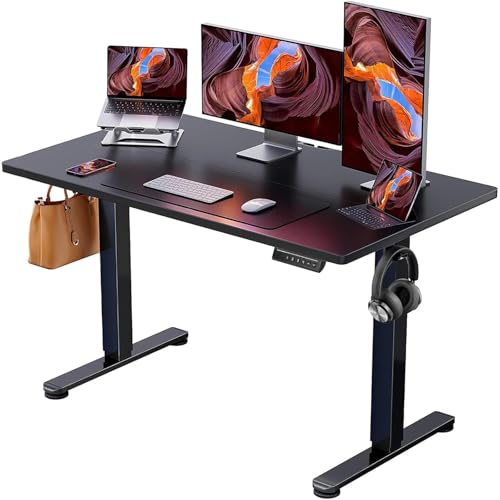
ErGear Height Adjustable Electric Standing Desk, 48 x 24 Inches Sit Stand up Desk, Memory Computer Home Office Desk, Black
Electric Height Adjustable Standing Desk for Comfortable Work - Switch effortlessly between sitting and standing with this electric...
As an affiliate, we earn on qualifying purchases.