

When comparing Stoic letters from Seneca, Marcus Aurelius, and Epictetus, you’ll notice different tones and approaches: Seneca is pragmatic and focused on rational control, Marcus offers introspective reflections on duty and self-improvement, and Epictetus provides direct, didactic lessons on perception and judgment. Each emphasizes resilience, virtue, and inner calm, but their unique styles show how Stoic principles adapt to everyday life. If you want to discover how these timeless insights can guide your own resilience, continue exploring their words.
Key Takeaways
- Seneca’s letters focus on practical advice for rationality and moderation in daily life, emphasizing control over passions.
- Marcus Aurelius’s writings are introspective, duty-driven reflections promoting self-discipline and harmony with natural order.
- Epictetus emphasizes perception and judgment, teaching that happiness depends on how we interpret external events.
- All three highlight resilience and virtue but differ in tone: pragmatic (Seneca), contemplative (Marcus), and didactic (Epictetus).
- Their collective lessons offer timeless insights into self-control, inner tranquility, and applying Stoic principles practically.

Stoic letters offer a fascinating glimpse into how ancient philosophers practiced resilience, self-control, and wisdom in everyday life. These writings serve as practical applications of Stoic principles, showcasing how philosophical ideas can be integrated into daily routines and personal challenges. When you compare letters from Seneca, Marcus Aurelius, and others, you’ll notice distinct tones and approaches, yet all share a common goal: to cultivate virtue and inner tranquility. Seneca’s correspondence often emphasizes the importance of rationality and moderation, urging you to focus on what’s within your control and to avoid unnecessary passions. His practical application of Stoic ideas encourages you to view adversity as an opportunity for growth, using self-discipline as a tool to navigate life’s hardships.
Marcus Aurelius’s letters, primarily written to himself, exhibit a philosophical tone rooted in introspection and duty. His reflections reveal a deep commitment to self-improvement, emphasizing that virtue is within your reach if you remain mindful and disciplined. His words serve as a reminder that resilience isn’t about avoiding difficulties but facing them with calm resolve. You’ll find that his practical application of Stoic concepts urges you to accept the natural order of things and to align your actions with reason and virtue, even in the face of chaos. The tone of his letters is often contemplative, yet pragmatic, providing clear guidance on how to maintain integrity and composure amid the uncertainties of life.
Other Stoic writers, like Epictetus, present a more direct and didactic style, often focusing on the importance of perception and judgment. Their letters and teachings offer practical advice that is easy to apply in real-world situations, emphasizing that your happiness depends on how you interpret external events. The philosophical tone here is straightforward, underscoring that you have the power to choose how to respond, regardless of circumstances. Comparing these different approaches helps you see that Stoic resilience isn’t a one-size-fits-all concept but a flexible mindset adaptable to various personalities and situations.
Ultimately, by examining their letters side by side, you gain a richer understanding of how these ancient philosophers used their words as tools for personal growth. Their writings aren’t just philosophical musings; they’re blueprints for living a resilient, virtuous life. Whether you resonate more with Seneca’s moderation, Marcus’s introspection, or Epictetus’s practical advice, each letter offers valuable insights on applying Stoic principles with clarity and purpose. Their enduring relevance proves that these ancient teachings continue to guide you toward self-control, resilience, and wisdom in your own daily journey.

The Stoics: The Philosophy of Seneca, Epictetus and Marcus Aurelius
As an affiliate, we earn on qualifying purchases.
As an affiliate, we earn on qualifying purchases.
Frequently Asked Questions
How Do Stoic Letters Differ Across Ancient and Modern Contexts?
You’ll notice that stoic letters differ across ancient and modern contexts because they reflect their time’s personal tone and historical background. In ancient times, these letters often addressed practical issues and personal virtues within a political framework. Today, they’re more about individual growth and resilience, adapting the core philosophy to contemporary challenges. You’ll find that while the themes stay consistent, the tone and focus shift to suit modern life.
What Influence Did Stoic Letters Have on Later Philosophical Writings?
You might not realize it, but stoic letters profoundly shaped future philosophy. Their historical impact and philosophical influence ripple through centuries, inspiring writers, thinkers, and leaders. These letters fueled ideas on resilience, virtue, and self-control, becoming foundational texts for later Stoics and even modern self-help movements. If you look closer, you’ll see their subtle yet powerful legacy woven into countless philosophical discussions today, quietly guiding your understanding of life’s challenges.
Are There Modern Equivalents to Stoic Letters in Contemporary Self-Help?
Yes, modern self-help often mirrors stoic letters by emphasizing personal reflections and emotional intimacy. You’ll find authors sharing their struggles and insights, fostering a sense of connection and understanding. Like ancient Stoic letters, these writings aim to guide you through life’s challenges, encouraging self-awareness and resilience. They create a space for emotional openness, helping you develop inner strength and clarity in today’s busy world.
How Personal Are the Stoic Letters Compared to Other Philosophical Texts?
You’ll find stoic letters surprisingly personal, offering deep emotional intimacy unlike many philosophical texts. They often reveal the author’s struggles, doubts, and reflections, making them feel like private conversations. Compared to more formal or abstract writings, these letters connect with you on a human level, showing vulnerability and authenticity. This emotional depth makes them compelling, helping you relate to the philosophers’ inner lives and see philosophy as a practical guide for real life.
Can Stoic Letters Be Effectively Applied to Today’s Mental Health Practices?
Yes, stoic letters can be effectively applied to today’s mental health practices. They promote practical mindfulness by encouraging self-awareness and reflection, helping you manage emotions better. The lessons on emotional resilience teach you to accept challenges calmly and maintain perspective during tough times. Incorporating these insights into daily routines can strengthen your mental well-being, making stoic philosophies a valuable tool for modern mental health strategies.
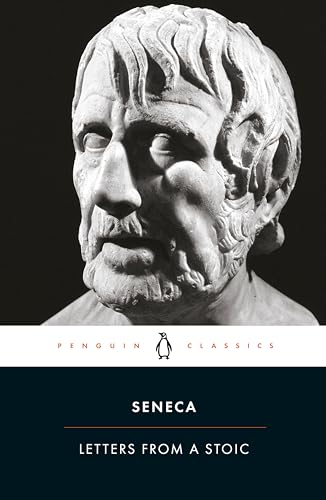
Letters from a Stoic (Penguin Classics)
Penguin Books
As an affiliate, we earn on qualifying purchases.
As an affiliate, we earn on qualifying purchases.
Conclusion
So, you’ve now met the great Stoic letter writers—Seneca, Marcus, and their ilk—each wielding words like philosophical swords. But remember, even these masters of calm faced life’s chaos. So next time you’re stressed, just channel your inner Stoic and remember: if they could write letters about tranquility, surely you can survive a Monday. After all, if they could stay composed, maybe we’re just procrastinating our own serenity. Or not.

The Daily Stoic Journal: 366 Days of Writing and Reflection on the Art of Living
As an affiliate, we earn on qualifying purchases.
As an affiliate, we earn on qualifying purchases.
The Practical Stoic's Guide to Ethical Living: Apply Ancient Wisdom for a Resilient and Virtuous Modern Life
As an affiliate, we earn on qualifying purchases.
As an affiliate, we earn on qualifying purchases.