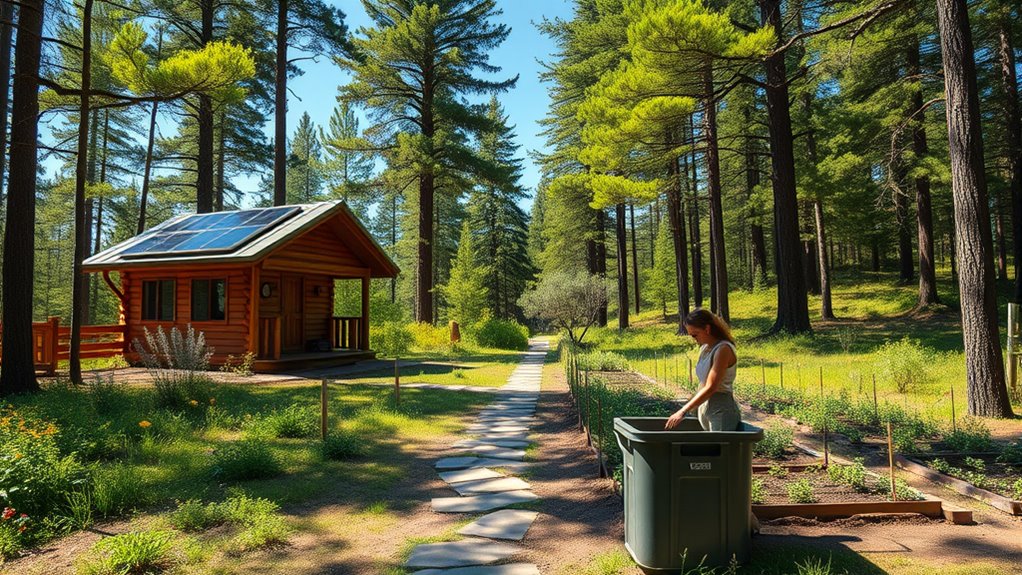

By embracing Stoicism, you can live in harmony with nature and take responsibility for the environment. Cultivating virtues like temperance, justice, and prudence guides your choices toward sustainability, reducing waste and energy use while supporting ethical consumption. Focus on what you can control, making small, consistent efforts that contribute to larger environmental goals. Staying committed to these principles helps foster resilience and a deeper sense of purpose—discover how these ideas can shape your sustainable journey.

Get books, candles and calm essentials delivered free — and shop member deals
- Fast, free delivery on millions of items
- Access to Prime Big Deal Days deals on October 6–7
- Prime Video, Amazon Music and more included
Key Takeaways
- Stoicism encourages living in harmony with nature by practicing virtues like temperance, justice, and prudence.
- Cultivating virtues guides responsible consumption, waste reduction, and mindful resource use.
- Emphasizes focusing on controllable actions to promote sustainable habits and resilience against eco-anxiety.
- Ethical living in Stoicism involves recognizing one’s role within larger ecological and societal communities.
- Consistent, virtue-driven choices foster long-term environmental stewardship and sustainable lifestyles.

Although stoicism is often associated with personal resilience and emotional control, it also offers valuable insights into environmental responsibility. At its core, stoicism emphasizes living in harmony with nature and cultivating personal virtues that guide your actions. When you weigh the principles of stoicism, you realize that practicing virtues like temperance, justice, and prudence naturally extends to how you treat the environment. These virtues are not just abstract ideals; they are practical guides for making conscious choices that support sustainable living. For instance, practicing temperance encourages you to avoid excess and waste, fostering mindful consumption that minimizes your ecological footprint. Justice, in this context, urges you to think about the impact of your actions on others and the planet, promoting ethical consumption that respects the environment and future generations. Prudence reminds you to think ahead, weighing the long-term consequences of your lifestyle and consumption habits instead of succumbing to instant gratification. Embracing environmental ethics helps reinforce the importance of aligning your values with your daily habits.
By embracing these personal virtues, you align your daily decisions with a broader sense of responsibility. Ethical consumption becomes a natural extension of your character, driven by a desire to do what’s right rather than what’s easy. You might choose to buy less, opt for eco-friendly products, or support companies committed to sustainable practices. These choices stem from a recognition that your actions have ripple effects beyond yourself. Stoicism encourages you to see yourself as part of a larger community—both human and natural—and to act accordingly. That means being mindful of how your lifestyle impacts ecosystems, resources, and climate change. Your virtue-driven approach transforms sustainable living from a moral obligation into a reflection of your character.
Furthermore, stoicism teaches you to accept what you cannot control and to focus your energy on what you can change. You may not be able to single-handedly halt climate change, but your choices matter. Small, consistent actions—like reducing waste, conserving energy, or supporting environmental initiatives—add up over time. By cultivating personal virtues, you develop resilience against eco-anxiety or despair, understanding that responsible living is a continuous journey. This mindset reinforces that your efforts, however modest, contribute to a collective movement toward environmental stewardship. Ultimately, stoicism guides you to live intentionally, aligning your values with your actions, and fostering a sustainable lifestyle rooted in ethical principles and personal virtue.
eco-friendly reusable water bottles
As an affiliate, we earn on qualifying purchases.
As an affiliate, we earn on qualifying purchases.
Frequently Asked Questions
How Can Stoicism Help Reduce Personal Ecological Footprints?
Stoicism helps you reduce your ecological footprint by emphasizing personal responsibility and mindful consumption. It encourages you to reflect on your actions and their impact on the environment, promoting deliberate choices that minimize waste and resource use. By practicing self-control and valuing simplicity, you become more aware of how your lifestyle affects the planet, fostering sustainable habits that protect the environment for future generations.
What Are Practical Daily Stoic Practices for Sustainability?
You can practice mindfulness by thoughtfully choosing your daily actions, like reducing waste and conserving energy. Cultivate nature appreciation by spending time outdoors and reflecting on its value. Before making purchases, consider if you truly need them, fostering mindful consumption. Embrace gratitude for what you have, which diminishes desire. These small, consistent steps help you live sustainably and align your daily habits with your environmental values.
Can Stoic Principles Influence Environmental Policy Decisions?
You might think personal philosophy can’t influence policy, but Stoic principles can shape ethical governance and promote resource conservation. By emphasizing rationality, duty, and resilience, you can advocate for policies that prioritize sustainability and long-term environmental health. Leaders inspired by Stoicism focus on collective responsibility, encouraging decisions that balance human needs with environmental integrity, ultimately fostering more responsible and sustainable environmental policies.
How Does Stoicism Address Climate Change Apathy?
You can confront climate change apathy with stoicism by cultivating emotional resilience, helping you stay calm and focused amidst chaos. It urges you to embrace ethical stewardship, recognizing your responsibility to protect the environment. By practicing virtue and understanding what’s within your control, you stay motivated to act meaningfully. Stoicism empowers you to face environmental challenges head-on, fostering a proactive mindset rather than succumbing to despair or indifference.
What Historical Stoic Figures Promoted Environmental Awareness?
Imagine ancient philosophers planting seeds of ethical stewardship that grow today’s environmental awareness. Figures like Marcus Aurelius and Seneca promoted ideas of living in harmony with nature, urging us to respect and protect our planet. These Stoic leaders emphasized responsibility beyond oneself, inspiring us to see environmental care as a moral duty rooted in their teachings. Their legacy reminds you that sustainable living is a timeless pursuit of virtue and balance.
Conclusion
By embracing stoicism and environmental responsibility, you hold the power to change the world in ways you can’t even imagine. Your small, mindful actions ripple outward, threatening to topple mountains of pollution and drown oceans of waste. If enough of us live with purpose and restraint, we could transform this planet faster than lightning strikes, creating a sustainable future so bright it outshines the sun itself. Your choices matter more than you think—be the catalyst for this epic change.
Halloween Picks
halloween
As an affiliate, we earn on qualifying purchases.