To stay grounded each day, start with a brief mindfulness practice—focusing on your breath or thoughts to center yourself. Keep a gratitude journal to shift your focus to positive aspects and foster contentment. Remind yourself of Stoic principles like acceptance and resilience to navigate challenges. Incorporate these simple habits into your routine, and you’ll build a resilient mindset over time. Continue exploring these practices to discover more ways to stay balanced amid life’s chaos.
Key Takeaways
- Practice daily mindfulness exercises to enhance presence and recognize what is within your control.
- Use morning breathing routines to set a calm, centered mindset for the day ahead.
- Keep a gratitude journal to focus on positive aspects and cultivate contentment.
- Regularly reflect on Stoic principles like acceptance and resilience to reinforce mental clarity.
- Incorporate short, intentional acts into your routine as reminders to stay grounded and emotionally balanced.

In today’s fast-paced world, daily reminders rooted in Stoic philosophy can help you stay grounded and focused. One effective way to do this is by practicing mindfulness exercises regularly. These exercises encourage you to pay close attention to your thoughts, feelings, and surroundings without judgment. By cultivating mindfulness, you become more aware of your reactions and can better manage stress or impulsive behaviors. For example, taking a few moments each morning to breathe deeply and observe your thoughts can set a calm, centered tone for the day. Mindfulness allows you to detach from distractions and stay present, which is a core Stoic principle. It helps you recognize what is within your control and what isn’t, fostering resilience and clarity. Developing a consistent mindfulness practice can serve as a daily mental reset, helping you navigate challenges with greater equanimity. Another powerful Stoic practice is gratitude journaling. Each day, you can take a few minutes to write down things you’re thankful for. This habit shifts your focus from what’s lacking or problematic to what’s abundant and positive in your life. Gratitude journaling aligns with the Stoic idea of appreciating the present moment and recognizing the good in your circumstances, no matter how small. It also cultivates humility, reminding you that many things are beyond your control, but your attitude toward them is within your power. When you regularly reflect on what you’re grateful for, you reinforce a mindset that values contentment over desire, making it easier to accept challenges with equanimity. Incorporating these practices into your daily routine isn’t complicated. You might start your day with a five-minute mindfulness exercise, focusing on your breath or observing your thoughts without attachment. Later, before bed, you could jot down a few things you appreciated that day. This simple combination of mindfulness and gratitude journaling can profoundly influence your mood, outlook, and resilience. Over time, these small, intentional acts serve as daily Stoic reminders, helping you stay grounded amid chaos. They teach you to accept the present moment, appreciate what you have, and maintain a sense of inner calm regardless of external circumstances. With consistency, these practices can become natural parts of your life, guiding you toward a more peaceful, resilient, and focused mindset.

Retrospec Sedona Zafu Meditation Cushion with Buckwheat Hull Fill – Adjustable Yoga & Pilates Equipment Support – 17in Crescent Cotton Cover
NATURAL COMFORT & SUPPORT: Filled with sustainable buckwheat hulls, this meditation cushion elevates your practice by aligning your…
As an affiliate, we earn on qualifying purchases.
As an affiliate, we earn on qualifying purchases.
Frequently Asked Questions
How Do I Start My Daily Stoic Practice Effectively?
To start your daily Stoic practice effectively, focus on establishing clear intentions and small, consistent steps. Embrace mindset shifts by recognizing what’s within your control and letting go of what’s not. Use habit formation techniques like setting a specific time each day and keeping a journal. Over time, these small daily actions will strengthen your resilience, helping you stay grounded and centered amidst life’s challenges.
Can Stoic Reminders Improve Mental Health Long-Term?
You might wonder if stoic reminders can boost your mental health long-term. They can, by strengthening your emotional resilience and encouraging mindfulness techniques that help manage stress. When you regularly reflect on stoic principles, you develop a calmer, more balanced mindset. Over time, these practices make it easier to handle life’s challenges, fostering a sense of inner peace and stability that benefits your mental health in the long run.
What Are Some Common Mistakes Beginners Make With Stoic Practices?
You might think you’re doing well with Stoic practices, but watch out for common pitfalls. Overgeneralizing thoughts can trap you in negativity, while neglecting emotional awareness blinds you to true growth. Many beginners believe adherence alone suffices, yet missing these nuances hampers progress. To truly benefit, stay vigilant, question your assumptions, and embrace your emotions—because genuine change comes from understanding, not just routine.
How Do I Adapt Stoic Reminders During Stressful Times?
During stressful times, you can adapt stoic reminders by focusing on emotional resilience and mindfulness techniques. Remind yourself that challenges are temporary and within your control, helping you stay grounded. Practice deep breathing or meditation to stay present. When emotions run high, pause and reflect on what’s within your control. This approach keeps you centered, allowing you to navigate stress with calmness and clarity, just like a true stoic.
Are Stoic Practices Suitable for Children or Teenagers?
You might wonder if stoic practices suit children or teens. The answer is yes, with age-appropriate exercises. For child-teen applicability, focus on simple concepts like gratitude, resilience, and self-control. Use stories, games, or discussions to make these ideas relatable. Keep activities brief and engaging, helping them build emotional strength gradually. These practices can foster resilience and mindfulness, setting a strong foundation for their mental well-being.

Daily Journal of Gratitude and Reflection
As an affiliate, we earn on qualifying purchases.
As an affiliate, we earn on qualifying purchases.
Conclusion
Now, as you carry these daily reminders with you, imagine each moment as a stepping stone, quietly shaping your resilience. The practice of staying grounded isn’t always easy, but with each deliberate breath, you inch closer to true tranquility. Picture yourself facing life’s uncertainties with a calm mind, the storm outside subtly fading into the background. Keep these small practices close—who knows what strength you’ll discover when you least expect it? The journey to serenity begins now.

The Breather Fit – Lung Trainer for Athletes – Portable Breathing Exercise Device for Lungs – Respiratory Muscle Strengthener – Lung Exerciser Device – Breath Trainer – Coaching App Included
Enhance Lung Strength & Breathing Endurance: Take your respiratory health to the next level with The Breather Fit…
As an affiliate, we earn on qualifying purchases.
As an affiliate, we earn on qualifying purchases.
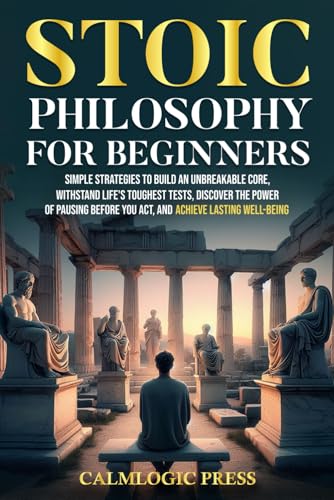
Stoic Philosophy for Beginners: Simple Strategies to Build an Unbreakable Core, Withstand Life’s Toughest Tests, Discover the Power of Pausing Before You Act, and Achieve Lasting Well-Being
As an affiliate, we earn on qualifying purchases.
As an affiliate, we earn on qualifying purchases.