

To master your emotions using Stoic strategies, start by incorporating mindfulness practices like focused breathing and sensory awareness to create mental pauses before reacting. Develop resilience by recognizing early signs of anger or stress, allowing you to respond thoughtfully rather than impulsively. Detach from negative thoughts to gain perspective and reduce emotional upheaval. Consistent practice of these techniques leads to calmer, more deliberate reactions, and if you explore further, you’ll discover deeper ways to cultivate lasting emotional control.
Key Takeaways
- Practice mindfulness to observe emotions without immediate reaction, creating space for deliberate responses instead of impulsivity.
- Use deep breathing techniques to calm heightened emotions and maintain composure during stressful moments.
- Recognize early signs of anger or stress to address and manage them before escalation occurs.
- Cultivate detachment from negative thoughts by observing them objectively, reducing their influence on your emotional state.
- Develop resilience by reflecting on setbacks, fostering inner calm and confidence through consistent mindfulness practices.

Have you ever wondered how some people seem to navigate their emotions with ease? It often looks effortless, but behind that calm exterior lies a set of powerful strategies rooted in mindfulness practices and emotional resilience. These tools help you stay grounded, even when life throws chaos your way. Mindfulness practices, such as focused breathing or meditation, allow you to become aware of your emotions without immediately reacting to them. Instead of being swept away by anger or stress, you learn to observe these feelings with curiosity and non-judgment. This awareness creates a pause—a moment to choose your response rather than act impulsively. Over time, this cultivates emotional resilience, the ability to bounce back from setbacks and maintain stability amidst turbulence.
Master your emotions through mindfulness and resilience—create calm amidst chaos and respond with clarity.
By regularly engaging in mindfulness, you develop a heightened sense of self-awareness. You notice early signs of anger or anxiety before they escalate. For example, you might recognize a tightening in your chest or a surge of irritation and use deep breathing techniques to calm yourself. This practice trains your brain to respond differently, transforming automatic reactions into deliberate ones. As a result, you’re less likely to lash out or become overwhelmed by stress. Instead, you build a mental buffer that allows you to stay composed and rational, even in difficult moments.
Moreover, mindfulness helps you detach from negative thought patterns that fuel emotional upheaval. When you observe your thoughts without judgment, you gain perspective, which diminishes their power over you. You start to see stressful situations as temporary and manageable rather than overwhelming threats. This shift in perception enhances your emotional resilience, making you better equipped to handle conflicts and setbacks. As you strengthen this resilience, you find it easier to maintain a sense of inner calm, regardless of external circumstances. Incorporating stress management techniques like these into your routine can further support your emotional stability.
Incorporating mindfulness practices into your daily routine doesn’t require hours of meditation. Simple exercises, like mindful breathing during breaks or paying close attention to your senses while walking, can make a significant difference. The more you practice, the more natural these responses become. Over time, you’ll notice a transformation: you respond to stressors with a measured, composed attitude instead of reacting impulsively. This mastery over your emotional landscape not only reduces anger and stress but also fosters a sense of empowerment and balance. With consistent effort, you can develop a resilient mindset that keeps your emotions in check and allows you to face life’s challenges with confidence.
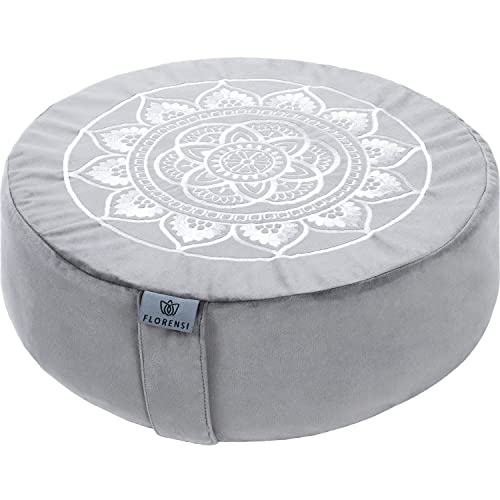
Florensi Meditation Cushion Grey Velvet Buckwheat Round Yoga Floor Seat
- Comfortable Meditation Seating: Stable and supportive for meditation and yoga
- Buckwheat Filled Cushion: Conforms to your seating for support
- Soft Velvet Cover: Stylish and comfortable surface
As an affiliate, we earn on qualifying purchases.
As an affiliate, we earn on qualifying purchases.
Frequently Asked Questions
How Can I Identify My Emotional Triggers Effectively?
To identify your emotional triggers effectively, you need to develop emotional awareness by paying close attention to your reactions in different situations. Observe patterns in your feelings, noting when you feel anger or stress rising. Practice trigger recognition by journaling or reflecting on these moments, asking yourself what specific events or thoughts sparked your emotions. This process helps you understand your triggers better and prepares you to respond more calmly.
What Are Quick Techniques to Calm Anger in the Moment?
Your anger can feel like a raging storm, but quick techniques can help you calm it instantly. Take deep breaths using breathing exercises to slow your heart rate. Practice mindfulness techniques by focusing on the present moment and observing your emotions without judgment. Count to ten, or use a mental mantra, to shift your focus away from anger. These simple steps can help you regain control swiftly and effectively.
How Does Stoicism Differ From Other Emotional Regulation Methods?
You might wonder how stoicism differs from other emotional regulation methods. Stoicism is rooted in philosophical foundations that emphasize rational control and acceptance of what you can’t change. Its practical applications guide you to analyze your thoughts, detach from destructive emotions, and focus on virtue. Unlike some techniques, stoicism encourages a mindset shift, helping you develop resilience and inner peace, making it a unique approach to managing stress and anger effectively.
Can Stoic Strategies Be Applied During High-Stress Situations?
During high-stress situations, you can definitely apply Stoic strategies by practicing mindful reflection and cognitive reframing. Take a moment to observe your emotions without judgment, then reframe the situation to see it more objectively. This helps you stay calm and focused, rather than reacting impulsively. These techniques empower you to manage stress effectively, even in intense moments, by shifting your perspective and maintaining emotional control.
What Daily Practices Help Reinforce Emotional Resilience?
You might think daily practices won’t make a difference, but they do. Incorporate mindfulness meditation each morning to strengthen your awareness and stay present. Add gratitude journaling at night to shift focus from stressors to positives. These habits build emotional resilience, helping you manage emotions better during tough times. Consistency is key; over time, you’ll notice increased calmness and a more balanced outlook.
Conclusion
By applying these stoic strategies, you’ll find it easier to keep your cool when emotions run high. Remember, it’s not about never feeling anger or stress, but about managing them before they manage you. Stay committed to your practice, and you’ll see that you can weather any storm. Keep in mind, patience is a virtue, and with time, you’ll master your emotions instead of letting them master you. Keep at it—you’re on the right track.