

Spirituality and meditation journals fall into two camps: guided journals with structured prompts and open notebooks for freeform practice, and the right choice depends on whether you want direction or freedom. The Meditation: A Day and Night Reflection Journal (Inner World) earns my best overall pick for balancing morning and evening prompts with an approachable daily format. For a faith-based angle, A Journal for Morning Meditation stands out with its 30-day prayer-centered structure, while A Year of Zen suits practitioners wanting a full year of progressive guidance. The main tradeoffs you’ll face are prompt depth versus blank space, guided structure versus flexibility, and short-term programs versus long-haul formats. Read on for the full breakdown of all 14 options.
Key Takeaways
- Guided journals dominated the top of the ranking because most buyers seeking a spirituality journal want prompts and structure, not blank pages — open notebooks like the Meditation Cat hardcover ranked lower for beginners despite better build quality.
- The Inner World series (Meditation, Calm, and Gratitude) offers nearly identical formats, so choosing between them is really about theme: pick Meditation for practice tracking, Calm for stress relief, or Gratitude for positivity work.
- Time-bound programs (30-day and 52-week journals) create momentum but leave you journal-less when they end — a real cost consideration if you plan to journal year-round.
- The Buddhist Journal and A Year of Zen assume familiarity with concepts like koans and sitting practice; complete beginners found them rewarding but occasionally intimidating.
- Cheap unguided notebooks under $10 fill a niche for experienced meditators who already know what to write, but they offer no scaffolding and are the weakest value for anyone building a habit from scratch.
| Meditation Log Book: Self-Care Meditation Journal and Notebook for Reflection, Stress Reduction, and Mental Health |  | Best for Session Tracking | Size: 6 x 9 inches | Pages: 110 | Format: Session log / reflection journal | VIEW LATEST PRICE | See Our Full Breakdown |
| A Buddhist Journal: Guided Practices for Writers and Meditators |  | Best for Deepening an Established Practice | Format: Guided journal with prompts and exercises | Tradition: Buddhist | Audience: Writers and meditators | VIEW LATEST PRICE | See Our Full Breakdown |
| Chakra Notebook – A5 Spirituality Chakra Tree Meditation Energy Balance Journal with 100 Pages |  | Best Gift Pick | Size: A5 | Pages: 100 | Paper Type: Lined/Ruled | VIEW LATEST PRICE | See Our Full Breakdown |
| Gratitude: A Day and Night Reflection Journal (Inner World) |  | Best for Daily Gratitude Habit | Format: Day and night reflection journal | Entry Structure: Morning and evening prompts | Theme: Gratitude and positive thinking | VIEW LATEST PRICE | See Our Full Breakdown |
| A Journal for Morning Meditation: A 30-Day Journey to Finding Your Purpose Through Prayer |  | Best Structured Spiritual Program | Format: Guided 30-day journal | Program Length: 30 days | Practice Type: Morning meditation and prayer | VIEW LATEST PRICE | See Our Full Breakdown |
| Morning Meditations: A Guided Journal to Start Each Day Feeling Calm and Energized (Volume 10) |  | Best for Morning Ritual Builders | Format: Guided journal | Focus: Morning meditation and intention-setting | Series: Everyday Inspiration Journals, Volume 10 | VIEW LATEST PRICE | See Our Full Breakdown |
| Calm: A Day and Night Reflection Journal |  | Best Two-a-Day Structure | Format: Day and night reflection journal | Structure: Morning and evening prompts | Focus: Inner peace and self-awareness | VIEW LATEST PRICE | See Our Full Breakdown |
| Mindfulness & Meditation Guided Journal: A 30-Day Daily Mindfulness Practice |  | Best for Beginners | Format: Guided journal with daily prompts | Program Length: 30 days | Focus: Calmness, happiness, mental well-being | VIEW LATEST PRICE | See Our Full Breakdown |
| Meditation: A Day and Night Reflection Journal (Inner World) |  | Best Open-Ended Daily Practice | Format: Day and night reflection journal | Series: Inner World | Structure: Guided prompts, morning and evening | VIEW LATEST PRICE | See Our Full Breakdown |
| Meditation Journal: Daily Meditation Tracking, Quotes on Mindfulness, Consciousness, and Oneness, Black and Gold Design, 6″x9″ | 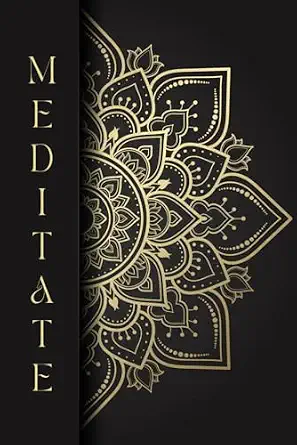 | Best for Practice Tracking | Size: 6″ x 9″ | Design: Black and gold | Features: Daily meditation tracking, inspirational quotes, space for sensations and insights | VIEW LATEST PRICE | See Our Full Breakdown |
| A Year of Zen: A 52-Week Guided Journal |  | Best Long-Term Commitment | Format: Guided journal with weekly prompts | Structure: 52 weeks of exercises | Focus: Mindfulness, reflection, calm and clarity | VIEW LATEST PRICE | See Our Full Breakdown |
| Meditation Cat Nature Spirituality Yoga Buddhist Hindu Hardcover Journal, Black |  | Best Gift Pick | Cover: Hardcover with Buddha lotus motif | Pages: 240 lined pages (120 sheets) | Color: Black | VIEW LATEST PRICE | See Our Full Breakdown |
| Meditation Journal: Lined Notebook for Mindfulness, Reflection, Spiritual Practice, and Daily Writing |  | Best Value Blank Journal | Size: 6 x 8 inches | Pages: 150 | Ruling: College-ruled | VIEW LATEST PRICE | See Our Full Breakdown |
| A5 Meditation Journal: Daily Reflection Notebook for Spiritual Serenity & Self-Discovery |  | Best for Beginners | Size: 5.9 x 8.46 inches (A5) | Paper: 100gsm thick paper | Binding: Twin-wire binding | VIEW LATEST PRICE | See Our Full Breakdown |
| spirituality and meditation journal | Format | Focus | Structure |
|---|---|---|---|
| Meditation Log Book: Self-Care | Session log / reflection journal | Meditation tracking, stress reduction, mental health | — |
| A Buddhist Journal: Guided Pra | Guided journal with prompts and exercises | Mindfulness and creative practice | Guided practices and exercises throughout |
| Chakra Notebook | Blank lined notebook | — | — |
| Gratitude: A Day and Night Ref | Day and night reflection journal | — | — |
| A Journal for Morning Meditati | Guided 30-day journal | — | Finite program with defined end date |
| Morning Meditations: A Guided | Guided journal | Morning meditation and intention-setting | Daily morning meditation prompts |
| Calm: A Day and Night Reflecti | Day and night reflection journal | Inner peace and self-awareness | Morning and evening prompts |
| Mindfulness & Meditation Guide | Guided journal with daily prompts | Calmness, happiness, mental well-being | One prompt per day |
| Meditation: A Day and Night Re | Day and night reflection journal | Meditation consistency and self-awareness | Guided prompts, morning and evening |
| Meditation Journal: Daily Medi | Tracking journal (unguided) | Mindfulness, consciousness, oneness | — |
| A Year of Zen: A 52-Week Guide | Guided journal with weekly prompts | Mindfulness, reflection, calm and clarity | 52 weeks of exercises |
| Meditation Cat Nature Spiritua | — | — | — |
| Meditation Journal: Lined Note | Lined notebook | — | — |
| A5 Meditation Journal: Daily R | — | — | Guided modules: intentions, progress tracking, creative reflection |
More Details on Our Top Picks
Meditation Log Book: Self-Care Meditation Journal and Notebook for Reflection, Stress Reduction, and Mental Health
Most spirituality journals push you toward prompts and reflections, but this option stands out for doing one thing well: logging actual meditation sessions. Compared with prompt-driven picks like A Journal for Morning Meditation, this log book is better suited to practitioners who already know how to meditate and simply want a record of duration, mood, and progress over time. The 6 x 9 inch format is the same portable size as the Black and Gold Meditation Journal in this roundup, so it slips into a bag without fuss, and 110 pages is enough for months of consistent entries. The tradeoff is real, though: there is no guided content at all. Beginners expecting structure, quotes, or instruction will feel abandoned after page one, and the plain interior makes it feel more functional than inspirational.
Pros:- Purpose-built for tracking meditation sessions and progress
- Portable 6 x 9 inch size travels easily
- 110 pages support months of daily entries
- Keeps the focus on reflection and stress reduction without clutter
Cons:- No guided meditation content or prompts whatsoever
- Plain design offers little inspiration for flagging motivation
Best for: Experienced meditators who want a simple, portable log to track session length, mood, and consistency over months
Not ideal for: Beginners who need prompts, instruction, or guided structure — this is a blank canvas with no teaching content
- Size:6 x 9 inches
- Pages:110
- Format:Session log / reflection journal
- Focus:Meditation tracking, stress reduction, mental health
- Guided Content:None — self-directed
- Cover Style:Simple functional log book design
Our verdict“Buy this if you meditate regularly and want a no-frills record of your practice — skip it if you need a guide rather than a logbook.”
A Buddhist Journal: Guided Practices for Writers and Meditators
This pick makes the most sense for readers who want their journal to teach as well as hold their thoughts. Where the Meditation Log Book leaves you alone with blank pages, this title brings guided practices rooted in Buddhist tradition, pairing prompts and exercises that serve both meditation and writing. Compared with lighter fare like Gratitude: A Day and Night Reflection Journal, which keeps reflection brief and secular, this one asks more of you — and rewards the effort with genuine depth. It occupies a more contemplative niche than A Year of Zen as well, weaving writing practice directly into the spiritual work rather than keeping them separate. The tradeoff is audience: it is explicitly Buddhist in framing, and sparse published specs make it harder to judge size and layout before ordering.
Pros:- Combines guided Buddhist practices with journaling prompts
- Rarely found dual focus on writing and meditation
- Prompts and exercises add genuine structure
- Rooted in an authentic contemplative tradition
Cons:- Buddhist framing may not resonate outside that tradition
- Limited published details on size, pages, and layout
- Thin review base makes pre-purchase research difficult
Best for: Writers and meditators with some existing mindfulness experience who want tradition-grounded prompts rather than blank pages
Not ideal for: Secular journalers or those wanting quick daily entries — the Buddhist framing and deeper exercises demand real commitment
- Format:Guided journal with prompts and exercises
- Tradition:Buddhist
- Audience:Writers and meditators
- Structure:Guided practices and exercises throughout
- Focus:Mindfulness and creative practice
- Guided Content:Yes — substantial
Our verdict“Choose this if you want a journal that actively deepens a Buddhist-informed practice through writing — pass if you prefer secular, low-commitment reflection.”
Chakra Notebook – A5 Spirituality Chakra Tree Meditation Energy Balance Journal with 100 Pages
Of everything in this roundup, this is the option that wins on visual presentation. The rainbow chakra tree cover gives it a decorative appeal the functional Meditation Log Book simply cannot match, and the premium paper puts it a step above generic lined notebooks for anyone who journals with fountain pens or markers. Unlike the guided titles here, this is a blank lined notebook — closer to the Meditation Cat hardcover journal in spirit than to Gratitude or the Morning Meditation journal, which hand you prompts every day. That makes it ideal as a gift for someone into energy work, since it imposes no particular method. The flip side: 100 pages runs shorter than the 110-page log book, there is no elastic closure, bookmark, or pocket, and you supply all the structure yourself.
Pros:- Striking rainbow chakra design with strong gift appeal
- Premium paper suitable for a range of pens
- A5 size balances writing space with portability
- Flexible for meditation notes, affirmations, or reflections
Cons:- No bookmarks, pockets, or closure features
- Only 100 pages of plain lined paper
- Zero guided content — entirely self-directed
Best for: Gift buyers and energy-work enthusiasts who want a beautiful blank notebook for free-form spiritual journaling
Not ideal for: Anyone who wants guided prompts, habit structure, or meditation instruction built into the journal
- Size:A5
- Pages:100
- Paper Type:Lined/Ruled
- Material:Premium paper
- Design:Rainbow chakra tree meditation theme
- Format:Blank lined notebook
Our verdict“This is the pick when presentation matters most — a lovely blank canvas, but a blank canvas all the same.”
Gratitude: A Day and Night Reflection Journal (Inner World)
Where most journals in this roundup ask you to meditate first and write second, this one flips the order: gratitude writing is the practice itself. Its day-and-night structure — a short morning entry and an evening reflection — makes it the gentlest commitment in the lineup, lighter than the 30-day purpose journey of the Morning Meditation journal and less tradition-bound than the Buddhist Journal. It shares its format with the Calm and Meditation Day and Night journals from the same Inner World series, so if you like this rhythm, those are natural companions or follow-ups. The drawback is narrowness: if your goal is tracking meditation sessions or exploring energy work, gratitude-only prompts will feel repetitive within weeks. Sparse published specs on size and binding also mean some uncertainty about durability before it arrives.
Pros:- Structured morning and evening entries build an easy twice-daily habit
- Gratitude focus supports measurable mood and mindset shifts
- Low time commitment — entries are short
- Part of a consistent Inner World series for continued practice
Cons:- Single-theme prompts can feel repetitive over time
- Limited published details on size, binding, and page count
- No meditation instruction or tracking features
Best for: Habit-builders who want a low-effort, twice-daily gratitude ritual to anchor mindfulness without a steep learning curve
Not ideal for: Meditators who want session tracking or broader spiritual exploration — the single-theme prompts get repetitive
- Format:Day and night reflection journal
- Entry Structure:Morning and evening prompts
- Theme:Gratitude and positive thinking
- Series:Inner World
- Guided Content:Yes — daily gratitude prompts
- Time Commitment:Short entries, twice daily
Our verdict“The easiest entry point in this roundup for building a daily spiritual writing habit — as long as gratitude is the habit you actually want.”
A Journal for Morning Meditation: A 30-Day Journey to Finding Your Purpose Through Prayer
This is the most goal-directed journal in the batch: instead of open-ended reflection, it frames a finite 30-day program aimed at discovering personal purpose through prayer and morning meditation. Compared with Gratitude, which can continue indefinitely, this one has a clear beginning, middle, and end — useful for readers who need a finish line to stay motivated. It also contrasts with the unguided Chakra Notebook: here, every day hands you prompts and reflections, so there is never a blank-page stall. The faith framing is the defining tradeoff. Prayer is central rather than optional, which suits Christian-leaning spiritual seekers but narrows the audience considerably compared with secular options like the Meditation Log Book. Add the absence of reviews and detailed specs, and you are buying on concept more than track record.
Pros:- Clear 30-day structure with a defined finish line
- Daily prompts prevent blank-page paralysis
- Morning timing builds a consistent ritual
- Purpose-driven framing gives the practice a tangible goal
Cons:- Prayer-centered content excludes secular users
- No customer reviews or ratings to verify quality
- Sparse product details on size, pages, and materials
Best for: Faith-oriented seekers who want a finite, structured 30-day morning practice centered on prayer and purpose discovery
Not ideal for: Secular meditators — prayer is woven throughout, not optional — and anyone wanting an open-ended journal without an endpoint
- Format:Guided 30-day journal
- Program Length:30 days
- Practice Type:Morning meditation and prayer
- Goal:Purpose discovery and spiritual growth
- Guided Content:Yes — daily prompts and reflections
- Structure:Finite program with defined end date
Our verdict“Pick this for a bounded, faith-based morning journey with a clear destination — not for open-ended or secular meditation practice.”
Morning Meditations: A Guided Journal to Start Each Day Feeling Calm and Energized (Volume 10)
Most journals in this category split attention between morning and evening, but this one commits fully to the morning routine — and that focus is its biggest strength. Where Calm: A Day and Night Reflection Journal asks you to show up twice daily, this option only asks for one appointment, which makes it far more realistic for people whose evenings get swallowed by family or work. The prompts are built around starting the day calm and energized rather than retrospection, so it works almost like a planning-plus-presence hybrid. The tradeoff is structural: there’s no evening reflection component at all, so anyone wanting to process their day before bed will need a second journal or a blank notebook. Being volume 10 in a series also means the format is proven, though it can feel repetitive if you’ve used earlier volumes.
Pros:- Single daily commitment makes habit-building easier
- Prompts designed for energy and calm at the start of the day
- Part of a long-running, well-established series
- Focuses on intention-setting rather than just retrospective logging
Cons:- No evening or end-of-day reflection component
- Limited published detail on page count and structure
- May feel formulaic if you’ve used other volumes in the series
Best for: People who want a single morning mindfulness habit and know evenings won’t work for journaling
Not ideal for: Evening reflectors and anyone who wants one journal covering their whole day
- Format:Guided journal
- Focus:Morning meditation and intention-setting
- Series:Everyday Inspiration Journals, Volume 10
- Structure:Daily morning meditation prompts
- Experience Level:Beginner-friendly
- Time Commitment:One entry per morning
Our verdict“This pick makes the most sense for morning people who want one focused daily ritual rather than a two-a-day commitment.”
Calm: A Day and Night Reflection Journal
This is the journal for people who genuinely want a bookend practice — a mindful minute in the morning and a reflective close at night. Compared with the Mindfulness & Meditation Guided Journal‘s fixed 30-day arc, Calm is designed as an open-ended daily rhythm, which suits buyers who don’t want a countdown clock hanging over their practice. Its strength is cultivating self-awareness across the whole day, not just one moment of it. The honest drawback: twice-daily journaling is where most people quit. If you miss the evening entry, the blank space becomes a small guilt trip rather than a fresh start. It also shares the thin documentation problem common in this category — no page count or paper-quality details are published — so buyers relying on specs alone will be taking a modest leap of faith.
Pros:- Morning and evening structure creates a complete daily mindfulness loop
- Open-ended format with no expiry date on the practice
- Balances reflection with practical mindfulness exercises
- Promotes both calm and self-awareness rather than one or the other
Cons:- Twice-daily commitment is a high bar for consistency
- Minimal published detail on length, paper, and prompt depth
Best for: Disciplined journalers who can commit to short entries twice daily and want an open-ended format
Not ideal for: Habit beginners or busy parents — the two-entry-per-day structure is the easiest one in this lineup to abandon
- Format:Day and night reflection journal
- Structure:Morning and evening prompts
- Focus:Inner peace and self-awareness
- Duration:Open-ended daily use
- Experience Level:All levels
- Entry Frequency:Twice daily
Our verdict“Choose this one if you reliably have five minutes morning and night; skip it if your schedule already makes one entry feel ambitious.”
Mindfulness & Meditation Guided Journal: A 30-Day Daily Mindfulness Practice
A defined 30-day program is the single most effective on-ramp for journaling newcomers, and this journal leans into that completely. Unlike Meditation: A Day and Night Reflection Journal, which hands you prompts without a finish line, this option gives every entry a place in a larger arc — you know exactly when you’ve completed something, and that sense of completion is what keeps beginners going. The structured prompts mean you never face a blank page wondering what to write. The tradeoff is obvious: after day 30, the journey ends, and there’s no bridging content to carry you into independent practice. It also assumes you already know how to meditate, offering prompts for reflection but no actual meditation instruction. Still, for someone testing whether journaling supports their mental well-being, thirty days is a low-risk commitment compared with the open-ended alternatives in this roundup.
Pros:- Fixed 30-day structure creates momentum and a clear sense of completion
- Daily prompts remove the intimidation of blank pages
- Explicitly framed around calm, happiness, and stress reduction
- Works for both newcomers and seasoned meditators starting a habit
Cons:- Content ends after 30 days with no extension path
- No actual guided meditation instruction — prompts assume some familiarity
Best for: First-time journalers who want a finite, structured program with a clear finish line
Not ideal for: Experienced meditators or anyone wanting a long-term daily companion — the content simply runs out
- Format:Guided journal with daily prompts
- Program Length:30 days
- Focus:Calmness, happiness, mental well-being
- Structure:One prompt per day
- Experience Level:Beginner and experienced
- Instruction Included:No — prompts only
Our verdict“The smartest low-commitment entry point in this batch for testing whether mindfulness journaling sticks.”
Meditation: A Day and Night Reflection Journal (Inner World)
Think of this as the steady long-hauler of the lineup. Where the Mindfulness & Meditation Guided Journal gives you a month and stops, this one belongs to the Inner World series’ open-ended format — you pick it up whenever, for as long as the practice serves you, without a program expiring on you. Its day-and-night structure echoes Calm, but the emphasis here is narrower: consistency of meditation practice rather than general mood tracking, which makes it a better companion for people whose journaling exists to support an actual sitting practice. The weaknesses are real, though. There are no included accessories, no instructional content, and frustratingly little published detail about its features — buyers are trusting the series’ reputation more than hard specs. Compared with the black-and-gold Meditation Journal, it trades aesthetic flair for a proven guided format.
Pros:- Open-ended format never ‘expires’ on you
- Day and night prompts reinforce practice consistency
- Welcomes all experience levels
- Part of the established Inner World series
Cons:- No instructional or supplementary content included
- Sparse published information on features and length
- Same twice-daily commitment risk as other day/night formats
Best for: Regular meditators who want an open-ended companion journal tied to their sitting practice
Not ideal for: Beginners who need instruction, or gift-buyers who want a visually striking, spec-rich product
- Format:Day and night reflection journal
- Series:Inner World
- Structure:Guided prompts, morning and evening
- Focus:Meditation consistency and self-awareness
- Duration:Open-ended
- Experience Level:All levels
- Extras:None included
Our verdict“A dependable, no-drama pick for meditators who plan to journal indefinitely rather than complete a program.”
Meditation Journal: Daily Meditation Tracking, Quotes on Mindfulness, Consciousness, and Oneness, Black and Gold Design, 6″x9″
This is the only option in this batch that functions primarily as a logbook rather than a guided prompt journal, and that distinction matters. Instead of being told what to reflect on, you record what actually happened — sensations, insights, duration — which makes it the right tool for practitioners who already meditate and want to track progress over time. The black and gold design also gives it genuine shelf appeal; compared with the plainer Meditation: A Day and Night Reflection Journal, this is the one you’d actually leave out on a side table. The compact 6″x9″ size makes it travel-friendly, though smaller pages mean less writing room per entry. The tradeoffs: no guidance at all, so newcomers staring at tracking fields without prompts may stall, and there’s no published information on paper quality — a real concern if you prefer fountain pens or heavier ink.
Pros:- Purpose-built tracking pages for sessions, sensations, and insights
- Elegant black and gold design suitable for display or gifting
- Compact 6″x9″ size travels well to retreats or trips
- Inspirational quotes on mindfulness and consciousness add depth without dictating entries
Cons:- No guided prompts — entirely self-directed
- No published details on paper weight or page count
Best for: Established meditators who want to log sessions, track sensations, and watch their practice evolve
Not ideal for: Beginners needing prompts or structure — the open tracking format assumes you already know what to record
- Size:6″ x 9″
- Design:Black and gold
- Features:Daily meditation tracking, inspirational quotes, space for sensations and insights
- Format:Tracking journal (unguided)
- Focus:Mindfulness, consciousness, oneness
- Experience Level:Best for practiced meditators
- Portability:High — compact trim size
Our verdict“The clear choice if you want to measure your practice rather than be prompted through it — but pure beginners should look elsewhere.”
A Year of Zen: A 52-Week Guided Journal
Most guided journals in this space, like the Mindfulness & Meditation Guided Journal, stop at 30 days — this one stretches the journey across 52 full weeks, which changes the kind of practice it builds. Weekly prompts mean less daily pressure than day-and-night titles such as Calm, making this option better suited to people who want sustained reflection rather than an intensive short sprint. The structure cultivates calm gradually, and the pacing gives you room to actually notice change over months. The tradeoff is real, though: there is zero room for freeform writing in any structured way, and if you fall behind a few weeks, the format can start to feel like homework rather than a sanctuary. It works best for meditators who thrive on gentle accountability.
Pros:- 52-week structure builds a genuinely sustainable long-term habit
- Weekly cadence is lower pressure than daily prompt journals
- Prompts specifically cultivate calm, clarity, and mindfulness
- Lightweight and simple to follow with no learning curve
Cons:- Entirely prompt-driven with no blank space for open writing
- No physical extras like ribbon bookmarks, pockets, or quality paper upgrades
- Falling behind weekly prompts can make it feel like a chore
Best for: Meditators who want a slow-burn, year-long structured practice with weekly check-ins rather than daily pressure
Not ideal for: Freeform journalers who want blank space to write whatever arises — every page here is prompt-driven
- Format:Guided journal with weekly prompts
- Structure:52 weeks of exercises
- Focus:Mindfulness, reflection, calm and clarity
- Guidance Level:Fully guided, structured format
- Writing Style:Prompt-based, not freeform
- Ideal Pace:One entry per week
Our verdict“Buy this if you want a patient, year-long guided practice and skip it if blank pages are where your reflection actually happens.”
Meditation Cat Nature Spirituality Yoga Buddhist Hindu Hardcover Journal, Black
Compared with the bare-bones Meditation Journal: Lined Notebook, this hardcover makes its case through polish: an elastic closure, ribbon bookmark, expandable pocket, and pen holder — features nothing else in this lineup matches at this price. The Buddha-in-lotus motif gives it presence on an altar or yoga shelf, which is exactly why it stands out as a gift for yoga and meditation practitioners; it looks considered rather than generic. The 240 lined pages also outlast the 150-page competition. Tradeoffs: at 12.3 ounces in hardcover, it is the heaviest option here and less pleasant to carry daily, the spiritual artwork narrows its audience, and you are paying for aesthetics and features, not guidance — there are no prompts anywhere inside.
Pros:- 240 lined pages offer the most writing space in this batch
- Full feature set: elastic closure, ribbon bookmark, pen holder, expandable pocket
- Striking Buddha motif that resonates with yoga and Buddhist practice
- Hardcover build gives it a premium, giftable feel
Cons:- At over 12 ounces, it’s the heaviest and least portable option here
- Bold spiritual design and limited color choices narrow its appeal
- No guided content whatsoever despite the higher price
Best for: Gift buyers shopping for a yoga or meditation practitioner who values a keepsake-quality blank journal
Not ideal for: Anyone wanting structure or prompts inside — this is purely a blank lined journal dressed up beautifully
- Cover:Hardcover with Buddha lotus motif
- Pages:240 lined pages (120 sheets)
- Color:Black
- Features:Elastic closure, ribbon bookmark, expandable inner pocket, pen holder
- Weight:12.32 ounces
- Guidance:None — blank lined pages
Our verdict“This is the one to give as a gift to a devoted practitioner — just don’t expect any guidance inside the beautiful cover.”
Meditation Journal: Lined Notebook for Mindfulness, Reflection, Spiritual Practice, and Daily Writing
This is the no-frills workhorse of the roundup. Where A Year of Zen tells you what to write and the Meditation Cat hardcover charges you for decorative features, this notebook spends its budget on exactly two things: pages and portability. The 6×8 inch size slips into a bag more easily than the 6×9 Meditation Log Book, and 150 college-ruled pages give freeform writers complete control over their practice — morning pages, evening reflection, doodles in the margins, whatever the day calls for. That freedom is also the limitation: compared with the A5 Meditation Journal’s guided modules, beginners staring at a blank page may feel lost rather than grounded. And there are no extras — no closure, no bookmark, no pocket.
Pros:- Blank lined pages give complete freedom over your practice
- Compact 6×8 size is easy to carry daily
- 150 pages provide solid capacity at a budget-friendly price
- Neutral design works for any spiritual or secular use
Cons:- No prompts, exercises, or tracking tools of any kind
- No premium features — no closure, bookmark, or pocket
- College ruling may feel cramped for people who write large or want to sketch
Best for: Experienced journalers who already know their practice and just want an affordable, portable blank notebook for it
Not ideal for: Beginners who need prompts or structure — a fully blank book can stall a new habit before it starts
- Size:6 x 8 inches
- Pages:150
- Ruling:College-ruled
- Guidance:None — blank lined pages
- Format:Lined notebook
- Intended Use:Mindfulness, reflection, daily writing
Our verdict“The cheapest way to get a dedicated meditation notebook — perfect if you bring your own structure to the page.”
A5 Meditation Journal: Daily Reflection Notebook for Spiritual Serenity & Self-Discovery
This pick makes the most sense for someone starting from zero. Unlike the Meditation Journal: Lined Notebook, which hands you a blank page and wishes you luck, this one includes step-by-step guidance, intention-setting modules, and progress tracking — a genuine on-ramp for people who don’t yet know what a meditation journal entry should look like. The build quality is also a step up from anything else in this batch: 100gsm thick paper resists bleed-through from fountain pens and markers, the twin-wire binding lies flat, and the waterproof cover survives being tossed in a tote. Compared with A Year of Zen, the guidance is gentler and more contained rather than a year-long commitment. The tradeoff: guided structure eventually becomes a ceiling, and the plain design won’t inspire anyone seeking a beautiful keepsake like the Buddha hardcover.
Pros:- Step-by-step guided modules remove the intimidation of starting
- 100gsm thick paper handles ink and markers without bleed-through
- Waterproof cover and twin-wire binding make it durable and travel-ready
- Compact A5 size fits daily practice anywhere
Cons:- Fixed guided structure limits flexibility once you’re established
- Plain, minimal design lacks the inspirational aesthetic of decorated alternatives
- No premium touches like ribbon bookmark or expandable pocket
Best for: Complete beginners who want step-by-step instruction, intention setting, and progress tracking while building a meditation habit
Not ideal for: Advanced practitioners or freeform writers who will outgrow the guided modules quickly
- Size:5.9 x 8.46 inches (A5)
- Paper:100gsm thick paper
- Binding:Twin-wire binding
- Cover:Waterproof cover
- Structure:Guided modules: intentions, progress tracking, creative reflection
- Guidance Level:Beginner-friendly, step-by-step
Our verdict“The smartest entry point in the roundup — buy it to learn the habit, then graduate to a blank journal once the practice sticks.”

How We Picked
I evaluated each journal against five buyer-relevant criteria. Prompt quality and depth carried the most weight — a guided journal lives or dies on whether its questions actually provoke reflection or just fill space. Format and duration mattered next: 30-day programs, 52-week structures, and undated open formats serve very different commitment levels. I also judged paper and binding quality, since meditation journals get written in daily and often carry ink bleed or fountain pen concerns. Accessibility for beginners separated journals that explain practices from those assuming prior knowledge of Buddhist or yogic traditions. Finally, value per entry — roughly, price divided by usable guided pages — determined whether each option justifies its cost.
The ranking logic follows a simple premise: most people shopping for a spirituality journal want guidance, not blank paper. That’s why structured options like the Inner World day-and-night journals and the 30-day mindfulness programs cluster at the top, while open lined notebooks — however nicely made — rank lower for the typical buyer. Specialty picks (Zen, prayer-based, chakra-focused) are positioned for the reader whose practice matches their tradition rather than ranked purely on general appeal.
Factors to Consider When Choosing Spirituality And Meditation Journals
Beyond the individual reviews, a few category-wide issues shape whether any spirituality journal actually gets used past week two. These are the factors I’d weigh before clicking buy.Guided Prompts vs. Blank Pages
The single biggest decision is structure versus freedom, and it’s the most common mistake buyers make. Guided journals work best when motivation is low — a prompt removes the blank-page paralysis that kills most journaling habits within ten days. Blank or lined notebooks suit people with an established practice who already know they’ll write about their sitting session, their dreams, or their gratitude list without being asked. A practical middle path: buy a guided journal first, and if you find yourself ignoring the prompts and writing your own entries in the margins, that’s your signal to switch to an open notebook for your second volume. Buying blank because it’s cheaper is a false economy if the journal ends up empty.
Program Length and What Happens After
A 30-day journal creates a defined commitment with a visible finish line, which is psychologically powerful for habit formation — but it also ends. Buyers consistently underestimate the cost of finishing a short program and having to immediately purchase a replacement. A 52-week format like A Year of Zen costs more upfront but spreads value across a full year. Undated day-and-night journals sit in between: they offer structure without a hard endpoint, so you can pause for a week without wasting pages. Match the format to your honest self-assessment of your attention span, not your aspirational one.
Tradition and Spiritual Alignment
Guided journals are not tradition-neutral, even when the cover suggests otherwise. Prayer-centered journals like the morning meditation devotional assume a Christian framework; Zen journals reference koans, sangha, and sitting practice; chakra journals work within energy-healing frameworks rooted in Hindu and yogic traditions. Prompts that conflict with your beliefs will feel grating rather than grounding, and you’ll abandon the journal quickly. Read the sample pages or prompt lists before buying — a secular mindfulness journal framed around breath and body awareness is the safest default if your practice is eclectic or exploratory.
Paper Quality and Writing Tools
Daily journaling exposes cheap paper fast. If you write with gel pens, fountain pens, or markers, thin pages will ghost and bleed, and many budget journals use 80gsm or lighter stock. Hardcover options like the Meditation Cat notebook typically use better paper than mass-market paperback guided journals, which is a genuine advantage for people who treasure their completed volumes. Also check whether the journal lies flat when open — sewn or smyth-sewn bindings do; tight perfect bindings fight you at the gutter, which matters when you’re writing every day. If you only use a basic ballpoint, this factor drops in importance.
Size and Portability
Journal size affects where your practice happens. A 6×9-inch or A5 journal fits most bags and bedside tables, making it easy to pair with morning meditation wherever you are. Larger formats give more writing room per entry but tend to stay home — fine if you journal exclusively at an altar or desk. Smaller pocket-sized options exist but can feel cramped for reflection prompts that ask for several sentences. If you travel or meditate outside your home regularly, prioritize a size you’ll actually carry; the best journal is the one physically present when you sit down to practice.
Price Realities and Repeat Purchases
Journal pricing in this category ranges from under $8 for plain notebooks to $25+ for premium hardcover guided editions. The trap is thinking of a journal as a one-time purchase — daily practitioners go through several a year, so a $20 guided journal can become an $80 annual habit. Calculate cost per month of use, not cost per book. Some buyers alternate: an expensive structured journal to establish the habit, then an inexpensive notebook once the routine is self-sustaining. Also watch for near-identical titles from the same series — you may be paying a premium for a cover change rather than new content.
Frequently Asked Questions
What’s the difference between the Inner World day-and-night journals (Meditation, Calm, and Gratitude)?
All three share the same publisher format: a morning page to set intention and an evening page to reflect, with undated entries you can start any time. The differences are thematic. Meditation focuses on practice itself — awareness, stillness, and observing the mind. Calm targets stress and anxiety management, with prompts oriented toward releasing tension. Gratitude directs attention to positive appreciation. If you already have a meditation habit, Meditation is the most on-theme; if journaling is your primary self-care tool rather than sitting practice, Calm or Gratitude may serve you better. Buying more than one of the three is usually redundant unless you genuinely want parallel morning and evening practices.
Should a complete beginner start with a guided journal or a blank notebook?
For almost everyone, a guided journal is the better starting point. Beginners typically struggle not with writing itself but with knowing what to notice — prompts supply that structure and teach you the questions experienced practitioners ask themselves automatically. A 30-day program like the Mindfulness & Meditation Guided Journal is ideal because the defined length makes commitment feel manageable. Blank notebooks work for beginners only when there’s a teacher, app, or book supplying the writing framework separately. The failure mode to avoid is buying a beautiful blank notebook, feeling inspired for four days, then staring at empty pages until it migrates to a drawer. Start guided, then graduate to blank once you generate your own topics.
Are religious or tradition-specific journals worth it if I’m just exploring spirituality?
It depends on how much friction you can tolerate. A journal like A Journal for Morning Meditation is built around prayer and assumes a Christian orientation — if that’s not your background, some prompts will feel awkward or irrelevant. Similarly, A Buddhist Journal and A Year of Zen reference concepts that reward but also require some willingness to learn. For genuine explorers, these can actually be enriching, functioning as a gentle introduction to a tradition’s reflective practices. However, if you want something that meets you wherever you are spiritually, secular mindfulness journals built around breath, body, and present-moment awareness are the safer purchase. My rule of thumb: buy tradition-specific only if you’d happily read a beginner’s book on that same tradition.
How long should a meditation journal last, and does duration affect value?
Duration is one of the most overlooked buying factors. A 110-page log book used daily lasts roughly three to four months; a 52-week journal lasts a year; an undated day-and-night format lasts as long as you keep using it. Short journals create momentum but demand repeat purchases, which adds up if journaling becomes a permanent habit. Longer formats feel like a bigger commitment upfront but cost less per month and provide continuity — reviewing a year of entries in one volume is far more meaningful than piecing together four thin books. If you’re unsure the habit will stick, start with a short 30-day format as a low-risk trial. If you already journal consistently, the year-long formats are almost always the better value.
Can I use one journal for both meditation tracking and general journaling?
Yes, and for many people that hybrid use is the sweet spot — but the journal’s format determines how well it handles it. Structured meditation journals with fixed fields (date, session length, observations) work as trackers first and leave little room for freeform entries, so a long emotional journal entry has nowhere to go. Open lined notebooks handle mixed use best but provide no tracking structure. The day-and-night reflection format is the strongest compromise, since its prompts are broad enough to capture practice notes and life reflection in the same entry. Another workable approach is dedicating sections: front of a blank notebook for daily practice logs, back half for longer entries. Avoid tightly templated log books if freeform writing matters to you — the boxes and fields will feel restrictive.
Conclusion
Matching the right journal to your situation is easier than it looks once you know your practice style. For best overall, Meditation: A Day and Night Reflection Journal delivers the best balance of guidance, flexibility, and price for the widest range of users. The best value pick is the Meditation Log Book or the basic lined Meditation Journal, which cost little and serve experienced journalers who don’t need prompts. For a premium experience, A Year of Zen offers a full year of substantive, tradition-rooted guidance in a keepsake format. Beginners should start with the Mindfulness & Meditation Guided Journal’s 30-day program, which builds the habit with minimal commitment. Specific needs round out the list: A Journal for Morning Meditation for prayer-centered practice, the Chakra Notebook for energy work, the Meditation Cat hardcover for a durable blank companion, and Calm or Gratitude from the Inner World series if your focus is stress relief or appreciation rather than meditation itself. Whatever you choose, the journal you actually write in daily beats the perfect one that stays on the shelf.