

To get better at sitting with discomfort, start by practicing mindfulness regularly. Focus on your breath or do body scans to notice sensations without trying to change them. Label your feelings to acknowledge them without judgment, understanding that discomfort is temporary. As you build resilience, remember that emotions ebb and flow, making it easier to stay steady through challenges. Keep practicing continuously, and you’ll discover how embracing discomfort can strengthen your emotional resilience over time.
Key Takeaways
- Practice mindfulness regularly to observe discomfort without immediate reaction or judgment.
- Gradually increase exposure to discomfort to build emotional resilience over time.
- Use breathing techniques to stay present and soothe intense feelings during challenging moments.
- Label and acknowledge your emotions to foster understanding and acceptance of discomfort.
- Maintain a steady, non-reactive posture to cultivate tolerance and reduce resistance to discomfort.

Learning to sit with discomfort is a skill that can profoundly improve your emotional resilience and overall well-being. When you embrace discomfort instead of avoiding it, you build the capacity to handle life’s inevitable challenges with greater ease. A key tool in this process is mindfulness practice. By paying close attention to your thoughts, feelings, and physical sensations in the present moment, you learn to observe discomfort without immediately reacting to it. This non-judgmental awareness creates space between stimulus and response, giving you the power to choose how you respond rather than instantly reacting out of habit or emotion.
Practicing mindfulness helps you develop emotional resilience because it teaches you to accept discomfort as a natural part of life. Instead of resisting or suppressing difficult feelings, you acknowledge them, which reduces their intensity over time. As you become more familiar with sitting with challenging emotions, you start to see that discomfort isn’t permanent; it ebbs and flows. This understanding makes it easier to tolerate discomfort when it arises, knowing it will pass. The more you practice, the more resilient you become, as your mind learns to stay steady amidst emotional turbulence. Recognizing emotional responses as temporary and part of the human experience can further support your growth. Additionally, understanding the role of contrast ratio in perception can help you appreciate the nuances of your emotional landscape, making it easier to sit with discomfort without judgment. Developing an awareness of emotional regulation strategies can also help you manage your reactions more effectively, fostering greater resilience.
Accepting discomfort as natural reduces its power and builds resilience through steady, mindful presence.
To improve at sitting with discomfort, incorporate simple mindfulness exercises into your routine. For example, dedicate a few minutes each day to focusing on your breath. As you inhale and exhale, notice the sensations of breathing—how the air feels entering your nose, the rise and fall of your chest or abdomen. When your mind wanders, gently bring it back to your breath. Over time, this trains your mind to stay present, even when faced with uncomfortable feelings. You can also practice body scans, where you systematically observe physical sensations throughout your body, noting areas of tension or discomfort without trying to change them. Recognizing mindfulness as a skill that develops gradually can motivate you to persist even when progress seems slow.
Another effective approach is to sit with your feelings during difficult moments, instead of avoiding them. When you notice anxiety, anger, or sadness, pause and observe these emotions without judgment. Label what you’re experiencing—“This is anxiety,” “This is anger”—then breathe into the sensation, allowing it to be there. This process helps diminish the power of discomfort because you’re no longer fighting or suppressing it. Gradually, you’ll find it easier to sit with discomfort, knowing that your capacity to endure and learn from it is growing stronger. This resilience becomes a foundation for facing future challenges with greater calm and clarity. Developing a deep understanding of your emotional responses can further enhance your ability to sit with discomfort more effectively.
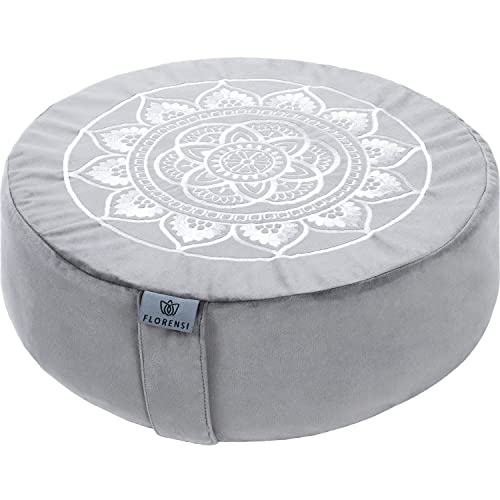
Florensi Meditation Cushion Grey Velvet Buckwheat Round Yoga Floor Seat
- Comfortable Meditation Seating: Stable and supportive for meditation and yoga
- Buckwheat Filled Cushion: Conforms to your seating for support
- Soft Velvet Cover: Stylish and comfortable surface
As an affiliate, we earn on qualifying purchases.
As an affiliate, we earn on qualifying purchases.
Frequently Asked Questions
How Long Should I Practice Sitting With Discomfort Each Day?
You should start by practicing sitting with discomfort for about 5 to 10 minutes daily, then gradually increase as you become more comfortable. Use mindfulness techniques to stay present and observe sensations without judgment. Incorporate breathing exercises to help manage any anxiety or tension. Consistency is key, so aim for daily practice, and listen to your body—if discomfort becomes overwhelming, take a break and return when ready.
Can Sitting With Discomfort Improve Mental Resilience?
Sitting with discomfort can profoundly improve your mental resilience by strengthening emotional endurance and enhancing stress management skills. When you face difficult feelings or situations intentionally, you learn to tolerate and process them better. This practice builds inner strength, helping you stay calm and balanced during life’s challenges. Over time, you become more adaptable, confident, and better equipped to handle stress, making discomfort a powerful tool for personal growth.
Are There Specific Techniques to Ease Discomfort During Practice?
Ironically, easing discomfort during mindfulness meditation often feels like trying to tame a wild beast. You can try simple techniques like deep breathing exercises, which help ground you, or gentle body scans to release tension. Focus on your breath to shift attention away from discomfort, allowing it to soften. These strategies make sitting through discomfort more manageable, transforming chaos into calm with each mindful breath you take.
How Do I Know if My Discomfort Is a Sign of a Problem?
You’ll know your discomfort signals a problem if it persists despite practicing emotional awareness and observing your physical sensations. If the discomfort intensifies, feels sharp, or causes dizziness or nausea, it’s a sign to pause and assess. Trust your body’s signals—learning to distinguish between manageable discomfort and something more serious helps prevent injury and encourages healthier sitting habits. Always listen to your body and seek help if needed.
Is Professional Guidance Necessary for Beginners?
You might worry that seeking professional guidance means you’re weak, but it’s actually a brave step. For beginners, therapist support can be invaluable, offering personalized strategies and accountability. Incorporate mindfulness techniques with expert help to deepen your comfort with discomfort. While you can start alone, professional guidance accelerates progress, guarantees safety, and helps you develop sustainable practices, making it easier to sit with discomfort confidently and effectively.
Conclusion
Just like Odysseus endured his odyssey, embracing discomfort can lead you to deeper strength and self-awareness. Remember, every challenge you sit with is a step toward your own hero’s journey. So, face it head-on, knowing that perseverance transforms discomfort into growth. With patience, you’ll find that what once felt unbearable now becomes a bridge to resilience—your personal Ithaca waiting just beyond the horizon. Keep going; your voyage is worth it.