

To train yourself to respond instead of react, start by developing mindful awareness. Focus on your breath, noticing each inhale and exhale to stay grounded in the present moment. Recognize triggers early and pause before reacting, giving yourself time to choose a healthier response. Practice emotion regulation techniques like grounding exercises and reframing negative thoughts. Consistently applying these strategies builds emotional intelligence and control, helping you handle stress more thoughtfully. Keep exploring these methods to strengthen your response skills.
Key Takeaways
- Practice mindful awareness to recognize triggers before reacting impulsively.
- Use deep breathing and grounding techniques to create space between stimulus and response.
- Develop emotional regulation skills to accept feelings and choose healthier responses.
- Observe impulsive reactions and intentionally pause to reflect before acting.
- Build consistency by regularly applying mindfulness and regulation strategies to reinforce response over reaction.

When you’re faced with stressful or triggering situations, it’s natural to react impulsively. Your initial gut response might be anger, frustration, or defensiveness, but with practice, you can learn to pause and choose a more thoughtful reaction. The key to this shift lies in cultivating mindful awareness and strengthening your emotional regulation skills. Mindful awareness helps you become more aware of your thoughts, feelings, and bodily sensations in the moment. Instead of rushing into a reaction, you notice what’s happening inside you without judgment. This awareness creates a space between stimulus and response, giving you the opportunity to choose how to act rather than simply reacting instinctively.
Cultivating mindful awareness creates space between stimulus and response, empowering you to choose thoughtful, intentional reactions over impulsive ones.
To develop mindful awareness, you can start by paying close attention to your breathing when you feel triggered. Take slow, deep breaths, focusing on the sensation of air entering and leaving your body. This simple act grounds you in the present moment and prevents you from spiraling into emotional overwhelm. As you become more familiar with your internal experience, you’ll start recognizing patterns—certain words, situations, or feelings that tend to provoke strong reactions. Recognizing these triggers early on allows you to pause before reacting, rather than letting your emotions take over. Incorporating techniques such as emotional regulation exercises can further strengthen your ability to manage reactions effectively. Developing this self-awareness enhances your capacity to notice subtle signs of emotional escalation before it erupts. Additionally, understanding the role of contrast ratio in your emotional responses can help you better gauge the intensity of your feelings and manage them more effectively. Practicing mindfulness of your thought patterns can also prevent impulsive reactions by helping you reframe negative or unhelpful thoughts.
Building emotional regulation is another essential part of training yourself to respond instead of react. Emotional regulation involves managing your feelings so they don’t control your actions. This doesn’t mean suppressing emotions but rather understanding and accepting them while choosing healthier responses. Techniques like grounding exercises, reframing negative thoughts, or even counting to ten before responding can help you regain composure. Over time, these strategies become second nature, reducing impulsive reactions and fostering more balanced responses.
Consistency is crucial. Every time you observe yourself reacting impulsively, remind yourself to take a breath and reflect. It’s also helpful to remember that emotional intelligence plays a significant role in understanding and managing your responses. It might feel unnatural at first, but with persistence, it becomes easier. Remember, emotional regulation isn’t about never feeling anger or frustration; it’s about handling these emotions constructively. As you cultivate mindful awareness and develop your emotional regulation skills, you’ll notice a significant shift in how you handle challenging situations. Instead of reacting impulsively, you’ll respond thoughtfully, which ultimately improves your relationships and overall well-being. With patience and practice, you’ll train yourself to pause, breathe, and respond intentionally, transforming reactions into purposeful actions.
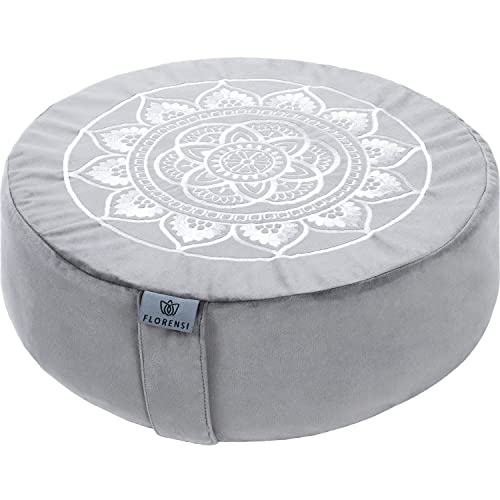
Florensi Meditation Cushion Grey Velvet Buckwheat Round Yoga Floor Seat
- Comfortable Meditation Seating: Stable and supportive for meditation and yoga
- Buckwheat Filled Cushion: Conforms to your seating for support
- Soft Velvet Cover: Stylish and comfortable surface
As an affiliate, we earn on qualifying purchases.
As an affiliate, we earn on qualifying purchases.
Frequently Asked Questions
Can Anyone Learn to Respond Calmly in High-Stress Situations?
Yes, anyone can learn to respond calmly in high-stress situations. By practicing mindfulness meditation regularly, you enhance your emotional awareness, helping you recognize emotional triggers early. This awareness allows you to pause before reacting impulsively. Over time, these techniques build mental resilience, enabling you to respond thoughtfully rather than react emotionally. Consistent effort and patience are key, and you’ll notice your reactions becoming more measured and controlled in stressful moments.
How Long Does It Typically Take to See Progress?
You might feel impatient, but progress with mindfulness training and emotional regulation varies. Typically, you’ll notice improvements within a few weeks, especially if you practice consistently. It’s normal to encounter setbacks, but persistence is key. As you develop these skills, you’ll respond more calmly in high-stress situations. Keep practicing daily, and soon you’ll see your reactions become more controlled, empowering you to handle challenges with confidence.
Are There Specific Techniques for Different Types of Triggers?
Yes, there are specific techniques for different triggers. For emotional triggers, mindfulness training helps you stay present and avoid impulsive reactions. Cognitive restructuring allows you to challenge and change negative thought patterns linked to triggers. Practice these techniques consistently, tailoring them to each situation. Over time, you’ll develop better control, making it easier to respond thoughtfully instead of reacting impulsively, regardless of the trigger.
How Do I Handle Setbacks or Emotional Slip-Ups?
When setbacks or emotional slip-ups happen, use mindfulness practice to stay present and acknowledge your feelings without judgment. Focus on your breathing, and take a moment to pause before reacting. Emotional regulation skills help you manage intense emotions, allowing you to respond thoughtfully rather than impulsively. Remember, setbacks are part of growth—by consistently practicing mindfulness and emotional regulation, you’ll improve your ability to respond calmly and intentionally over time.
Is Professional Help Necessary for Long-Term Change?
Research shows that about 70% of people find therapy benefits their mental health considerably. You don’t necessarily need professional help for long-term change, but it can accelerate progress and provide tailored strategies. If your emotional responses feel overwhelming or persistent setbacks occur, seeking therapy benefits your mental health by offering support, coping tools, and accountability. Ultimately, professional help can be a valuable, effective step toward lasting change.
Conclusion
By practicing patience, cultivating awareness, and choosing reflection over impulsiveness, you train yourself to respond thoughtfully rather than react instinctively. Each moment becomes an opportunity to pause, to contemplate, to act intentionally. When you embrace calmness, foster understanding, and prioritize growth, you create space for better decisions. Remember, it’s not about avoiding emotions but mastering how you handle them. Responding mindfully transforms reactions into opportunities for connection, clarity, and control—turning everyday challenges into chances for personal growth.