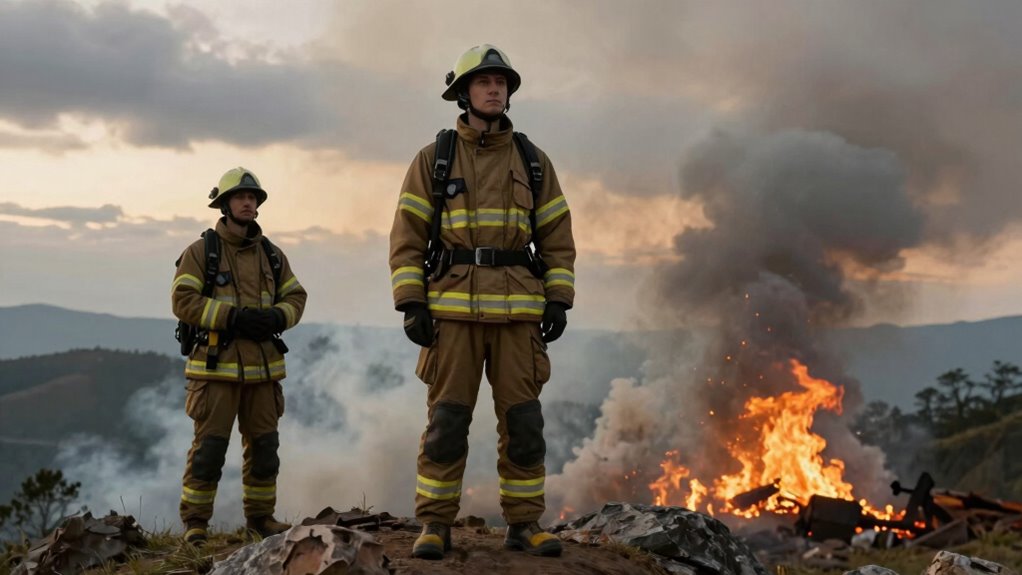

Stoicism shapes military and first-responder mindsets by helping you manage stress, emotions, and uncertainty effectively. It teaches you to stay calm under pressure, focus on what you can control, and make quick, rational decisions. This philosophy builds mental toughness, emotional resilience, and inner stability, enabling you to perform consistently in chaotic situations. If you keep exploring, you’ll discover how these principles can transform your ability to handle high-stakes environments with clarity and confidence.

Turn your quiet moments into listening time
- Thousands of audiobooks, podcasts and originals
- Listen on your phone, tablet or Echo — also offline
- Cancel anytime
Key Takeaways
- Stoicism promotes emotional resilience and calmness under pressure, essential for high-stakes military and emergency situations.
- It encourages focusing on controllable factors, enhancing decision-making and prioritization during chaos.
- Stoic principles foster mental toughness, enabling responders to view challenges as growth opportunities.
- It cultivates inner stability, helping personnel maintain focus and clarity amidst stress and unpredictability.
- Stoicism provides practical tools for managing emotions, improving situational awareness, and ensuring consistent performance under pressure.
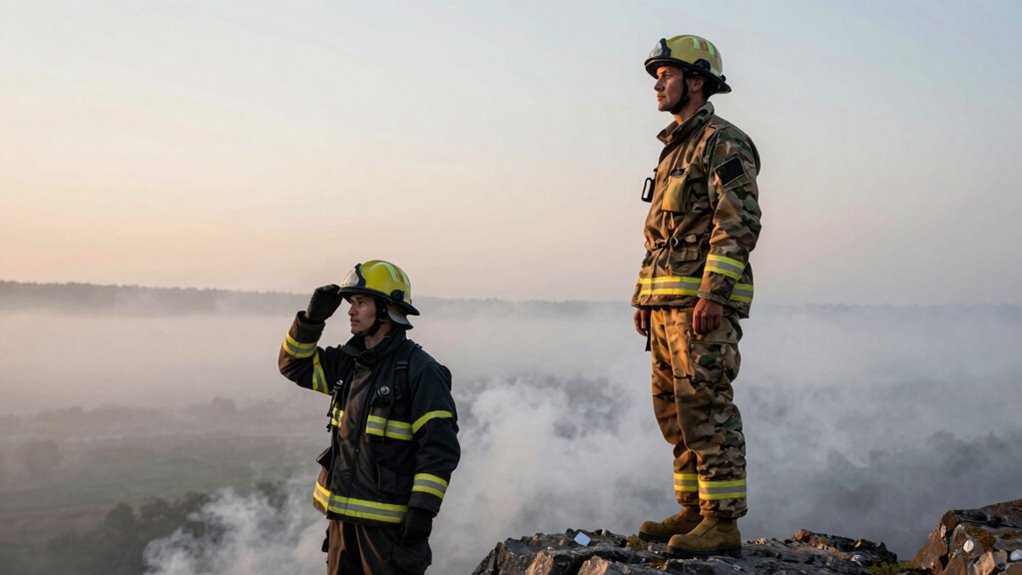
Many military leaders and soldiers turn to stoicism because it offers practical tools for managing stress, maintaining discipline, and staying focused under pressure. At its core, stoicism teaches you to control your emotional responses, which is essential in high-stakes situations. When chaos erupts, your ability to remain calm and collected can mean the difference between success and disaster. By practicing stoic principles, you develop emotional resilience—your capacity to bounce back from setbacks and endure hardships without losing your composure. This resilience isn’t about suppressing feelings but understanding them and choosing how to respond. It keeps you from being overwhelmed by fear, anger, or frustration, which can cloud your judgment and impair your decision-making clarity.
In the heat of the moment, clear decision making is crucial. Stoicism encourages you to focus on what’s within your control and accept what isn’t. This mindset helps you prioritize actions based on rational assessment rather than emotional reactions. For a soldier or first responder, this means making quick, decisive choices even when under extreme pressure. Instead of panicking or second-guessing, you rely on your training and philosophical grounding to evaluate the situation objectively. This mental clarity allows you to act intentionally, rather than impulsively, which can save lives and prevent further chaos. Developing emotional resilience through consistent practice helps ensure that your reactions remain measured, even in the most chaotic circumstances. Additionally, understanding situational awareness can enhance your ability to adapt to unpredictable environments effectively.
Moreover, stoicism teaches you to view challenges as opportunities to grow stronger, reinforcing your mental toughness. When faced with adversity, you learn to detach from negative emotions that might hinder your performance. This doesn’t mean you’re emotionless; instead, you recognize your feelings and choose not to let them control you. Your focus shifts from reacting emotionally to responding thoughtfully, which enhances your decision-making clarity in critical moments. Over time, this approach becomes second nature, giving you an edge in unpredictable environments.
Ultimately, the integration of stoic principles into your mindset fosters a sense of inner stability. You learn to navigate stress without succumbing to it, maintaining focus on your mission and responsibilities. This mental discipline empowers you to operate effectively under pressure, making sound decisions even when everything around you is in turmoil. In the demanding world of military service or emergency response, adopting a stoic outlook isn’t just philosophical; it’s a practical strategy that sharpens your emotional resilience and decision-making clarity, ensuring you can perform at your best when it matters most.
Stoicism meditation for resilience
As an affiliate, we earn on qualifying purchases.
As an affiliate, we earn on qualifying purchases.
Frequently Asked Questions
How Does Stoicism Influence Decision-Making Under Extreme Stress?
When you practice Stoicism, it boosts your emotional resilience, helping you stay calm under extreme stress. This mental clarity allows you to assess situations objectively rather than react impulsively. You learn to focus on what you can control, making better decisions despite chaos. By embracing Stoic principles, your decision-making becomes more deliberate, reducing panic and enhancing your ability to respond effectively in high-pressure scenarios.
Can Civilians Benefit From Stoic Principles Used by Military Personnel?
Yes, civilians can definitely benefit from stoic principles used by military personnel. Embracing emotional resilience helps you stay calm under pressure, while practicing ethical neutrality guides you to make balanced, unbiased decisions in difficult situations. By adopting these stoic traits, you can improve your mental strength, handle stress more effectively, and maintain clarity, even in challenging circumstances, leading to better outcomes and personal growth.
What Are Common Challenges in Applying Stoicism in High-Pressure Scenarios?
Like a captain steering a stormy sea, you face emotional resilience and moral dilemmas when applying stoicism in high-pressure scenarios. The challenge lies in maintaining calmness while managing intense emotions and tough decisions. You might suppress feelings or question your morals, risking burnout or confusion. Yet, by practicing discipline, you learn to balance emotional control with moral clarity, enabling you to act decisively amid chaos.
How Do Military Training Programs Incorporate Stoic Philosophies?
In military training programs, you learn to incorporate Stoic philosophies by focusing on emotional resilience and moral clarity. You’re taught to maintain composure during chaos, reflect on your actions, and accept what’s beyond your control. This helps you stay grounded, make rational decisions, and uphold your values under pressure. Through drills and reflection, you build mental toughness, ensuring you respond effectively in high-stress situations while staying true to your moral principles.
Are There Any Risks in Adopting Stoic Practices in Emergency Response?
Adopting stoic practices in emergency response can enhance emotional resilience, helping you stay calm under pressure. However, it also risks suppressing emotions, which might hinder genuine connection or lead to ethical dilemmas if you’re perceived as detached. Be mindful that while stoicism strengthens mental toughness, overdoing it could cause you to overlook critical emotional cues, potentially impacting decision-making and compassionate responses in high-stakes situations.
Conclusion
As you embrace stoicism, you become a steady lighthouse amid turbulent storms, guiding yourself and others with unwavering calm. It shapes your mind into a fortress where resilience and clarity reign supreme, turning chaos into a canvas for strength. Remember, like a seasoned sailor trusts the stars, your inner discipline will steer you through life’s fiercest battles. In the end, it’s not just about surviving, but shining brightest when the world demands your calm.
Fall Picks
fall essentials
As an affiliate, we earn on qualifying purchases.