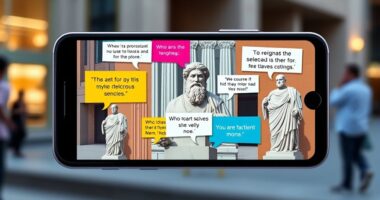
Stoicism helps you find digital balance by encouraging you to focus on what you can control, like your reactions, and practice mindful technology use. It teaches emotional resilience, so you can stay calm amid online chaos and avoid distractions that don’t serve your goals. By applying virtues like temperance and wisdom, you learn to set healthy boundaries and engage intentionally. If you keep exploring, you’ll discover practical ways to cultivate peace and resilience in your digital life.
Listen free for 30 days with Audible
Thousands of audiobooks and originals — cancel anytime.
As an affiliate, we earn on qualifying purchases.
Key Takeaways
- Stoicism emphasizes focusing on what is within control, helping individuals manage their digital habits intentionally.
- It promotes emotional resilience, allowing better handling of online stressors and social media triggers.
- Practicing mindfulness aligns with Stoic principles, fostering deliberate and purpose-driven technology use.
- Virtues like temperance and wisdom guide moderation and discernment in digital consumption.
- Stoicism encourages living consciously, maintaining mental boundaries, and cultivating peace amid digital distractions.

In today’s digital world, it’s easy to feel overwhelmed by constant notifications, social media, and endless information. You might find yourself scrolling mindlessly, trying to keep up but feeling more drained than fulfilled. That’s where the principles of Stoicism can help you find a healthier balance with technology. Stoicism teaches you to focus on what’s within your control and to develop emotional resilience, which is crucial when navigating the digital landscape. By practicing mindful technology, you can create boundaries that protect your mental well-being and foster a more intentional relationship with your devices.
Practicing Stoicism helps create boundaries and fosters intentional, resilient engagement with technology.
When you approach technology with a Stoic mindset, you start to view it as a tool rather than an obstacle. Instead of reacting impulsively to every ping or notification, you pause and assess whether engaging with it aligns with your values and goals. This mindful approach reduces unnecessary distractions and helps you regain control over your attention, allowing you to spend time on what truly matters. The idea is not to eliminate technology but to use it wisely, deliberately setting limits and being aware of how it impacts your emotional resilience. Recognizing the importance of contrast ratio in digital displays can help you choose devices that promote a healthier visual environment.
Building emotional resilience in the digital age involves developing the strength to withstand the constant barrage of information and emotional triggers online. Stoicism encourages you to recognize that external events, like social media drama or negative news, are beyond your control. Your focus should instead be on your reactions and internal state. When you practice this mindset, you become less reactive and more centered, which enhances your ability to stay calm and clear-headed amid digital chaos. Over time, this resilience helps you avoid burnout and maintain a sense of inner stability, even during stressful online encounters. Incorporating techniques like mindfulness practices can further strengthen your capacity to remain composed and focused. Developing awareness of emotional triggers can help you respond thoughtfully rather than impulsively in digital interactions. Additionally, understanding the role of perception and judgment in how we interpret online events can deepen your emotional resilience and help you maintain perspective.
Furthermore, applying Stoic virtues such as temperance and wisdom can guide your technology use. Temperance reminds you to practice moderation, avoiding excessive screen time and the temptation to check your devices constantly. Wisdom helps you discern between useful and trivial information, so you don’t waste energy on things that don’t serve your growth or happiness. Together, these virtues reinforce a balanced digital life, one where you’re intentionally engaging with technology rather than letting it dictate your mood or habits.
In essence, connecting Stoicism with your search for digital balance offers practical tools for living more consciously and resiliently. By cultivating mindful technology habits and strengthening your emotional resilience, you can navigate the digital world with clarity, purpose, and peace of mind. Recognizing that emotional resilience can be developed through intentional practices allows you to better handle the emotional triggers and distractions inherent in today’s online environment.
blue light blocking glasses for digital eye strain
As an affiliate, we earn on qualifying purchases.
As an affiliate, we earn on qualifying purchases.
Frequently Asked Questions
How Can Stoicism Help Reduce Digital Addiction?
Stoicism helps reduce digital addiction by strengthening your emotional resilience, making you less reactive to constant online stimuli. It encourages mindful detachment, so you don’t get caught up in endless scrolling or notifications. By practicing self-control and focusing on what truly matters, you can set healthier boundaries with technology, regain your time, and cultivate a more balanced life. This approach empowers you to manage your digital habits intentionally and peacefully.
What Are Practical Stoic Exercises for Digital Mindfulness?
You can practice mindful reflection by regularly evaluating how your digital habits impact your well-being. Engage in intentional detachment by setting specific times to disconnect and avoid screens. Use journaling to reflect on your emotional responses to digital stimuli, helping you stay present. These exercises encourage awareness and control, reducing impulsive scrolling. Consistently applying mindful reflection and intentional detachment strengthens your ability to maintain a balanced digital life.
Can Stoicism Improve Digital Boundaries With Social Media?
Yes, Stoicism can improve your digital boundaries by strengthening emotional resilience and guiding virtue cultivation. When you adopt Stoic principles, you learn to control your reactions to social media triggers, avoiding impulsive scrolling. By focusing on virtues like temperance and self-discipline, you set healthier limits, fostering a balanced digital life. This approach helps you stay centered, reduces overwhelm, and promotes mindful engagement with social platforms.
How Does Stoic Philosophy Address Information Overload?
Ever feel overwhelmed by endless information? Stoic philosophy teaches you to develop cognitive resilience and emotional regulation, helping you filter what truly matters. By focusing on what’s within your control, you can detach from unnecessary noise and avoid distraction. Doesn’t that sound like a way to regain peace amid digital chaos? Practicing Stoicism encourages you to prioritize meaningful content, reduce mental clutter, and stay centered amidst information overload.
Is Digital Detox Aligned With Stoic Principles?
Yes, a digital detox aligns with Stoic principles. It helps you build emotional resilience by reducing external distractions that can trigger negative emotions. By intentionally unplugging, you focus on virtue cultivation—practicing patience, moderation, and self-control. This deliberate pause allows you to reflect, regain inner calm, and develop a disciplined mind, fostering a stronger connection to what truly matters and supporting your journey toward a balanced, virtuous life.
Conclusion
Imagine your phone as a bustling marketplace, full of tempting stalls and loud noise. Stoicism teaches you to be the steady merchant, choosing what truly matters and ignoring distractions. Just like a merchant who stays focused amid chaos, you can cultivate digital balance by mastering your impulses. Remember, the key isn’t avoiding the marketplace but learning to navigate it wisely. With stoic calm, you’ll find peace amidst the digital hustle and bustle.
NFL season / tailgating Picks
team gear
As an affiliate, we earn on qualifying purchases.