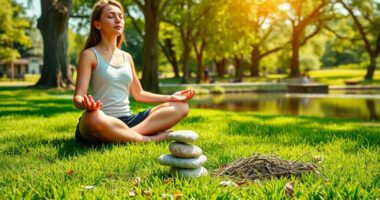
Next time you’re waiting, view it as a chance to practice Stoic principles. Focus on your breath, notice your surroundings without judgment, and accept that outside events are beyond your control. Use this time for gratitude, silently noting things you appreciate, or reflect on how you can respond with patience and resilience. By making mindfulness and gratitude a habit during pauses, you’ll strengthen your inner calm—keep exploring to deepen your understanding.
Key Takeaways
- View waiting as an opportunity to practice patience, acceptance, and resilience aligned with Stoic principles.
- Use moments of waiting to focus on mindful breathing and observe surroundings without judgment.
- Reflect on gratitude during delays to cultivate contentment and shift focus from frustration to appreciation.
- Combine mindfulness and gratitude exercises to reinforce emotional stability and control over reactions.
- Make waiting practices habitual to develop mental discipline and carry a calm, centered mindset into daily life.

Waiting is often seen as wasted time, but it can actually be a valuable opportunity for practice if you approach it with a Stoic mindset. Instead of feeling frustrated or impatient, you can use these moments to cultivate inner resilience and clarity. One effective way to do this is through mindfulness exercises. When you find yourself waiting—whether in line, at a red light, or during a delay—bring your attention to the present moment. Focus on your breath, noticing each inhale and exhale. Observe your surroundings without judgment. This practice helps you develop awareness and acceptance, key principles in Stoicism. By grounding yourself in the now, you reduce the tendency to get caught up in worries about the future or regrets about the past.
Another powerful practice is gratitude journaling. Waiting time offers a perfect chance to reflect on what you’re thankful for. When you catch yourself waiting, pause for a moment and think about the good things in your life. You might silently acknowledge the support of loved ones, the opportunities you have, or simply your health. If you prefer, keep a gratitude journal nearby and jot down a few things you’re grateful for during these moments. This habit shifts your focus from what’s lacking or frustrating to what’s abundant and positive. Over time, gratitude journaling can rewire your mindset to see challenges as opportunities for growth, rather than obstacles.
You can also combine mindfulness exercises and gratitude journaling for a more profound effect. For example, while waiting, take a few deep breaths and then mentally list three things you’re grateful for. This simple practice keeps your mind engaged in a constructive way, fostering patience and emotional stability. Additionally, use waiting time to reflect on your Stoic principles, such as control and acceptance. Remind yourself that many things are outside your influence, and that your response is within your power. This perspective helps you stay calm and composed, regardless of external circumstances. Recognizing the importance of contrast ratio in visual clarity can also serve as a metaphor for understanding how balance and depth improve perception in life. Cultivating a mindful attitude during these moments enhances your ability to stay centered and resilient. Developing awareness of visual clarity can help sharpen your focus and perception in everyday situations, reinforcing your mental discipline. Embracing the concept of perception as a tool for clarity allows you to better navigate challenges with a calm mind.
The key is consistency. The more you practice turning waiting time into a moment of mindfulness and gratitude, the more natural it becomes. Over time, you’ll find that these moments of pause aren’t just passive gaps in your day—they become essential opportunities to strengthen your Stoic resilience. By consciously choosing to practice patience and acceptance during these times, you develop a calmer, more centered mindset that carries over into all aspects of your life.

Meditation Journal: Daily meditation tracking, quotes on mindfulness, consciousness and oneness, record sensations and insights, black and gold design, ,6"x9"
As an affiliate, we earn on qualifying purchases.
As an affiliate, we earn on qualifying purchases.
Frequently Asked Questions
Can Anyone Effectively Practice Stoicism During Wait Times?
Yes, you can practice Stoicism effectively during wait times. Use these moments to develop mindful patience, observing your thoughts and emotions without reacting impulsively. Focus on building emotional resilience by accepting the delay as outside your control and maintaining your composure. This practice helps you stay centered, reduces frustration, and strengthens your mental discipline, turning idle moments into opportunities for growth and self-mastery.
How Long Should Each Practice Session Last?
You can practice mindful observation and build emotional resilience during waiting times with sessions lasting just five to ten minutes. Even short periods are effective because consistency matters more than length. If you’re worried about time, remember that brief, focused practices can help you stay calm and centered. Over time, these moments strengthen your Stoic mindset, making challenges feel more manageable. Keep it simple and regular for best results.
What Are Simple Stoic Exercises for Beginners?
As a beginner, start with simple stoic exercises like meditative mindfulness and gratitude journaling. During your day, take a few moments to focus on your breath and observe your thoughts without judgment. Then, jot down things you’re grateful for to cultivate appreciation and resilience. These practices help you develop awareness and gratitude, making your waiting time meaningful and turning everyday moments into opportunities for Stoic growth.
Is Waiting Time Effective for Deep Reflection or Only Brief Practices?
Waiting time can be highly effective for deep reflection if you use it intentionally. You can practice mindfulness meditation to center yourself or use journaling prompts to explore your thoughts and emotions more deeply. Instead of rushing, embrace these moments as opportunities for growth. With patience and focus, even brief waiting periods become valuable for cultivating stoic resilience and self-awareness, enriching your overall practice.
How Do I Stay Consistent With Stoic Practices During Unpredictable Waits?
Did you know 80% of people struggle to stay consistent with mindfulness? To maintain your stoic practices during unpredictable waits, focus on quick mindfulness techniques like deep breathing or observing your thoughts without judgment. This sharpens emotional regulation and keeps you grounded, no matter the circumstance. Make it a habit by carrying small reminders, so even brief waits become opportunities for steady practice. Consistency, not duration, builds resilience.

Gratitude Journal: Daily Reflections on the Little Things That Matter
As an affiliate, we earn on qualifying purchases.
As an affiliate, we earn on qualifying purchases.
Conclusion
Next time you’re stuck waiting, see it as a gift rather than a nuisance. Instead of frustration, embrace the pause as a moment to practice patience and mindfulness—like a quiet meditation in disguise. Waiting becomes not just empty time but a chance to strengthen your Stoic resilience. So, turn those idle minutes into a peaceful retreat, and watch how this simple shift transforms frustration into calm, making every pause a step toward inner tranquility.

Relax and Rest Meditations
Enjoy a state of deep relaxation without prior meditation experience
As an affiliate, we earn on qualifying purchases.
As an affiliate, we earn on qualifying purchases.

The Daily Stoic: 366 Meditations on Wisdom, Perseverance, and the Art of Living
As an affiliate, we earn on qualifying purchases.
As an affiliate, we earn on qualifying purchases.