Getting comfortable with discomfort involves intentionally embracing challenges beyond your usual limits, a key Stoic practice. By regularly exposing yourself to things like fasting or cold exposure, you train your mind to stay calm and resilient. This mindful approach helps you see discomfort as temporary and meaningful, fostering inner strength. Over time, you’ll find that resilience grows, and you better appreciate comfort and life’s natural ups and downs. Keep exploring to discover how this practice can transform your mindset.
Key Takeaways
- Deliberately exposing yourself to hardship, like fasting or cold exposure, trains mental resilience and emotional mastery.
- Embracing discomfort helps reduce resistance, making challenges feel temporary and meaningful for growth.
- Practicing voluntary discomfort cultivates calmness and inner stability during adversity.
- Recognizing discomfort as natural enhances appreciation for comfort and life’s balance.
- Incorporating manageable challenges fosters confidence, resilience, and continuous self-mastery.

Have you ever wondered why growth often feels uncomfortable? It’s a natural part of stepping outside your comfort zone, yet many of us shy away from that discomfort instead of embracing it. When you consciously seek out challenges—whether physical, mental, or emotional—you begin to practice mindful acceptance. This isn’t about resigning yourself to suffering but rather about recognizing discomfort as a temporary, meaningful part of your development. By accepting discomfort mindfully, you reduce resistance and allow yourself to experience it fully, which ultimately diminishes its power over you. This attitude helps you build resilience, a crucial trait that enables you to bounce back from setbacks and adapt to change more effectively.
The Stoic practice of voluntary discomfort is rooted in deliberately exposing yourself to hardship, knowing it’s a way to strengthen your mind and spirit. Instead of avoiding discomfort, you choose to face it intentionally—whether by fasting, cold exposure, or challenging physical activity. This act of voluntary discomfort trains your mind to stay calm and centered amid adversity, fostering a sense of mastery over your reactions. As you continue practicing this, you’ll notice your capacity for resilience building grows. You become less reactive to external circumstances and more grounded in your inner strength, which makes you better prepared for life’s inevitable difficulties.
Engaging in voluntary discomfort also sharpens your appreciation for comfort itself. When you’ve willingly endured hardship, the simple pleasures of ease and stability become more meaningful. This perspective shift encourages a more balanced approach to life, where you’re not constantly seeking comfort but are comfortable with the natural ebb and flow of ease and challenge. Over time, this practice helps you develop a more nuanced understanding of pain and pleasure, making both feel less overwhelming. It’s a way to cultivate mental toughness without dismissing the importance of rest and relaxation.
Incorporating voluntary discomfort into your routine may seem intimidating at first, but it’s a powerful tool for growth. It’s not about pushing yourself to the point of harm but about intentionally choosing manageable challenges that stretch your limits. With each experience, you reinforce your resilience, making you more confident in your ability to navigate life’s uncertainties. Through mindful acceptance and resilience building, you learn to see discomfort not as an enemy but as a essential ingredient in your journey toward strength and self-mastery.

Retrospec Sedona Zafu Meditation Cushion with Buckwheat Hull Fill - Adjustable Yoga & Pilates Equipment Support - 17in Crescent Cotton Cover
NATURAL COMFORT & SUPPORT: Filled with sustainable buckwheat hulls, this meditation cushion elevates your practice by aligning your...
As an affiliate, we earn on qualifying purchases.
Frequently Asked Questions
How Often Should I Practice Voluntary Discomfort?
You might wonder how often to practice voluntary discomfort. There’s no fixed rule—aim for mindful exposure regularly, perhaps a few times a week, to build resilience. Start with small discomforts and gradually increase frequency as you grow more comfortable. Listen to your body, and avoid overdoing it. Consistency is key, so integrating discomfort practices into your routine helps boost mental toughness without overwhelming yourself.
Can Voluntary Discomfort Improve Mental Resilience?
Yes, voluntary discomfort can markedly improve your mental resilience. By regularly challenging yourself, you develop a stronger mindset and greater emotional flexibility. When you intentionally seek discomfort, you learn to stay calm under pressure and adapt to hardships. This practice trains your mind to handle stress better, making you more resilient in everyday life. Over time, you’ll notice increased confidence and a calmer attitude in facing life’s challenges.
Are There Risks to Intentionally Seeking Discomfort?
Thinking about intentionally seeking discomfort is like walking a tightrope—you need careful risk assessment to avoid falling. While it can build resilience, you risk undermining psychological safety if pushed too far or too fast. If you ignore your limits, you might damage your mental health or develop anxiety. Balance is key; understanding your boundaries helps you grow without risking burnout or emotional harm.
What Are Some Common Mistakes Beginners Make?
When you start practicing voluntary discomfort, you might struggle with overcoming hesitation or rush into it without safety precautions. A common mistake is pushing too hard too fast, risking burnout or injury. To avoid this, ease into discomfort gradually, listen to your body, and set clear boundaries. Remember, the goal is growth, not reckless risk. Staying mindful and prepared helps you build resilience safely and confidently.
How Does Voluntary Discomfort Relate to Modern Stress Management?
You might think modern stress is unbeatable, but voluntary discomfort can build your resilience like a fortress. By practicing mindfulness training and intentionally facing small challenges, you improve emotional regulation and reduce anxiety. This technique teaches you to stay calm under pressure, turning everyday discomfort into strength. It’s a powerful tool to manage stress, helping you face life’s chaos with a steady mind and unwavering confidence.
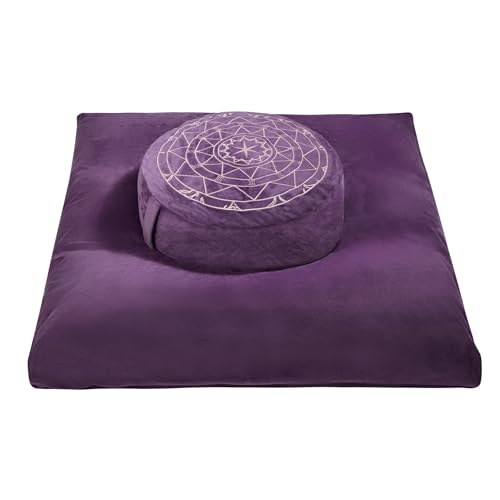
Zafu & Zabuton Meditation Cushion Set - Buckwheat Hull & Memory Foam Pillows, Ergonomic Support for Yoga, Mindfulness - Organic Velvet Cover, Large Size, Durable Comfort (Purple)
Ergonomic Pain Relief & Superior Comfort:Engineered to eliminate knee and leg strain, our dual-fill system combines 100% natural...
As an affiliate, we earn on qualifying purchases.
Conclusion
As you embrace discomfort, imagine yourself standing in a chilly wind, feeling it sharpen your senses and strengthen your resolve. Each moment of voluntary discomfort is like forging steel in the fire—warming and shaping you into a resilient version of yourself. When you get comfortable being uncomfortable, you become like a sturdy tree, bending but never breaking in life’s storms. Keep leaning into that wind, and watch how you grow stronger with every gust.
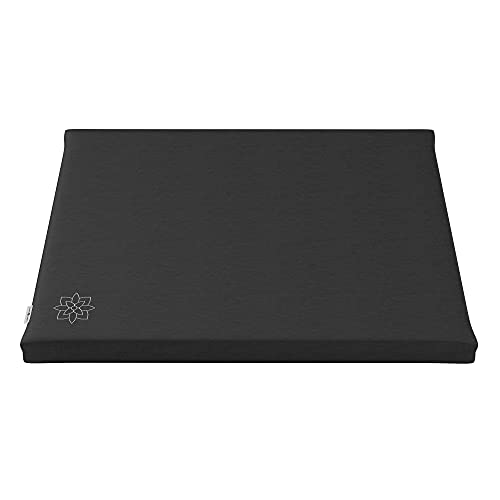
Mindful Modern Zabuton Meditation Mat - Cotton Filled Yoga and Meditation Pad - Zabuton Meditation Cushion for Kneeling and Sitting Support - Large Rectangular Sitting Floor Pillow for Bench or Zafu
HEALTHY POSTURE SUPPORT - Sitting with the right posture is essential for feeling that sense of peace when...
As an affiliate, we earn on qualifying purchases.

Hihealer Meditation Cushion Set – Large Rose Velvet Zafu & Zabuton Floor Pillow Traditional Tibetan Yoga Bolster for Adults Buckwheat Filled for Comfort Support
Traditional Tibetan Design: Inspired by authentic meditation culture, this cushion adds a calm, spiritual aesthetic to any space—available...
As an affiliate, we earn on qualifying purchases.