TL;DR
A well-chosen meditation cushion can boost relaxation by offering support, stability, and comfort during practice. It’s an ergonomic aid, not a magic fix, but the right cushion makes a difference in your meditation experience.
Ever notice how some days, sitting on the floor feels more like a chore than a calming ritual? The secret often lies in the cushion beneath you. It’s not just about adding padding; it’s about creating a stable, comfortable foundation for your meditation. The right cushion can turn a stiff, uncomfortable session into a flowing, peaceful moment. Today, we’ll explore what makes a meditation cushion work for relaxation, how to pick one, and practical tips to make your practice more comfortable and consistent.
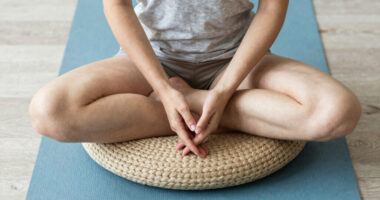
Think of it like a cozy chair—only on the floor. With the right support, your hips open up, your back stays tall, and your mind can settle into the present. Whether you’re a beginner or a seasoned meditator, finding that perfect seat can help you relax deeply, free from distracting aches or tension. Let’s unpack the different cushions, what to look for, and how to use them to enhance your meditation experience.
Choose a cushion that supports your preferred posture and body shape, whether it’s a zafu, crescent, or bench.
Adjust the height and firmness—buckwheat hulls are versatile, but other fillings can suit different needs.
Position yourself near the front of the cushion to tilt your pelvis forward and maintain a tall, relaxed spine.
Use additional props like blankets or blocks to support your knees, hips, or lower back for ultimate comfort.
Stay alert to your body’s signals—discomfort means it’s time to shift or take a break.
What Types of Meditation Cushions Make Relaxation Easier?
Choosing the right cushion is like picking the perfect pair of shoes—fit matters. There are several main types, each designed to support different postures and body shapes:
- Zafu: This round cushion lifts your hips, making cross-legged sitting more comfortable. It helps create a stable base that encourages proper spinal alignment, which is crucial for relaxation. Without adequate support, your muscles may tense up, defeating the purpose of meditation. The zafu’s shape promotes a natural, upright posture, reducing fatigue and discomfort during longer sessions.
- Crescent cushion: Offers more space for thighs and is great if you have tight hips or longer legs. Its ergonomic design helps distribute weight evenly, preventing pressure points that could cause discomfort or numbness, which can distract from your practice. It also allows for more flexibility in sitting postures, accommodating different body types and preferences.
- Rectangular cushion: Broad and firm, perfect for kneeling or supporting the knees during longer sessions. Its flat surface provides stability, especially for those who find rounded cushions unstable or who prefer kneeling. Proper support here can prevent joint strain, which is essential for maintaining focus and relaxation over extended periods.
- Meditation bench: Supports a kneeling position, reducing pressure on ankles and heels while keeping your spine aligned. This option is particularly beneficial for those with flexibility issues or joint problems, as it minimizes strain and promotes a natural, comfortable posture that facilitates deeper relaxation.
- Zabuton: A large, flat mat that goes beneath a cushion or bench, cushioning your knees and ankles, adding extra comfort. It acts as a buffer between your body and the hard floor, which is vital for maintaining stillness and ease during longer meditation sessions. The added padding helps prevent aches that could otherwise disrupt your focus and relaxation.
Each type of cushion offers specific advantages that influence how easily you can settle into a relaxed posture. For instance, a zafu’s elevation can help those with tight hips achieve a more upright position, reducing strain and promoting alertness. Conversely, a rectangular cushion may be better for those with joint issues or preference for kneeling, ensuring comfort and stability. Recognizing these tradeoffs helps you select a cushion that aligns with your body’s needs, enabling a more effortless transition into relaxation and deepening your meditation experience.
As an affiliate, we earn on qualifying purchases.
How to Pick the Perfect Cushion for Total Relaxation
Picking a cushion isn’t just about the shape; it’s about how it supports your body’s needs and the tradeoffs involved. For example, a very soft cushion may feel cozy but can cause your hips to sink, leading to poor spinal alignment and eventual fatigue. Conversely, a very firm cushion might provide support but could create pressure points, leading to discomfort over time. The goal is to find a balance that aligns with your body’s flexibility, posture preferences, and long-term comfort. Consider this process as an investment in your meditation routine: choosing the right support can significantly influence your ability to relax and stay focused.
- Assess your hip flexibility: Tight hips may require a higher or more supportive cushion to prevent slouching, which can cause tension in the lower back and neck. Recognizing your flexibility helps you avoid cushions that are too low or too soft, which might encourage poor posture and reduce relaxation.
- Consider your preferred sitting posture: Whether you favor cross-legged, kneeling, or sitting on a chair, each position demands different support levels. For example, cross-legged sitting benefits from cushions that elevate the hips enough to keep the spine straight, while kneeling requires cushions that cushion the knees and ankles without causing strain.
- Check firmness: Supportive but not hard. Too soft, and your body sinks, losing stability; too hard, and you risk joint pain. Think of it as finding a mattress level that supports restful sleep—your cushion should cradle your body without compromising alignment.
- Look at fillings: Buckwheat hulls conform to your shape and are adjustable, offering personalized support, but they are heavier and may require more maintenance. Kapok or foam provides consistent support and is lighter but less customizable. Your choice affects portability, adjustability, and how well the cushion adapts over time.
- Think about cover and portability: Removable, washable covers simplify maintenance, which encourages regular use. Lighter cushions are easier to carry, especially if you practice in multiple locations, but they might offer less stability. Weigh these factors against your lifestyle and meditation habits to find the best fit.
Choosing the right cushion involves understanding your body’s specific needs and how different features influence comfort and stability. For example, someone with long legs and tight hips might prioritize an adjustable buckwheat zafu to customize height and firmness, ensuring proper alignment and reducing strain. Meanwhile, a person with joint sensitivities may prefer a supportive rectangular cushion or a chair that minimizes pressure points. These tradeoffs matter because they directly impact your ability to relax and focus during meditation. Selecting a cushion that balances support, adjustability, and portability ensures your practice remains comfortable and sustainable, fostering a deeper state of relaxation over time.
Mastering the Art of Sitting Comfortably for Deep Relaxation
Once you have your cushion, the way you sit can significantly influence your relaxation. Sitting near the front edge of the cushion, rather than the middle, tilts your pelvis slightly forward. This subtle adjustment helps maintain the natural curve of your lower back, encouraging an upright posture that reduces muscle tension and promotes calmness. Proper positioning aligns your spine, allowing energy to flow freely and preventing fatigue that distracts from meditation.
For example, if you sit cross-legged, placing a folded blanket or blocks under your knees or hips can alleviate tightness and promote better alignment. If kneeling, using a cushion or bench can prevent pressure buildup on your ankles and knees, which might otherwise cause discomfort or distraction. Even sitting on a sturdy chair with your feet flat on the floor can be effective—what matters most is comfort and support, not tradition.
Common comfortable positions include:
- Easy cross-legged sitting
- Burmese position (legs stacked in front)
- Half or full lotus (if your flexibility allows)
- Kneeling with support
- Sitting upright on a chair
Remember: No rigid rules. The key is to maintain a posture that keeps your body supported enough to relax, which in turn helps your mind settle. When your body is supported and aligned, your nervous system can relax more fully, making meditation more effective and enjoyable.
Why Your Cushion Can Help You Relax Better—and What It Can’t
A supportive cushion can be a game-changer by alleviating physical tension, preventing muscle fatigue, and reducing the likelihood of distracting discomfort during meditation. When your body feels supported, it’s easier to hold a steady, relaxed posture, which promotes a calmer mind and deeper relaxation. Proper support can also encourage better breathing by maintaining open chest and lung capacity, especially if your posture tends to slump.
However, it’s essential to understand the limitations. A cushion is an ergonomic aid, not a cure-all. It won’t eliminate underlying pain, chronic conditions, or emotional stress that may influence your ability to relax. For example, if you have persistent back pain, a cushion might ease some discomfort temporarily but won’t address the root cause. Similarly, mental health challenges like anxiety require additional strategies beyond physical support.
In essence, a cushion makes it easier to settle into a comfortable posture, reducing physical barriers to relaxation. But it’s not a substitute for comprehensive self-care or professional treatment when needed. Recognizing this helps set realistic expectations and encourages a holistic approach to your meditation practice.
Latest Trends in Meditation Cushions—What’s New and Why It Matters
The market’s buzzing with innovation. Recent trends focus on adjustability, sustainability, and inclusivity. Here’s what’s catching on:
- Removable, adjustable fillings—like buckwheat hulls you can add or remove—so you get just the right height and firmness. This flexibility allows you to customize your support as your body changes or as you experiment with different postures, ensuring long-term comfort and effectiveness.
- Ergonomic shapes—crescent, wedge, hybrid—designed to support different bodies and postures. These shapes are crafted based on ergonomic research, aiming to optimize spinal alignment and reduce strain, which can help deepen relaxation and sustain focus during meditation.
- Washable covers made from organic cotton, recycled fabrics, or plant-based dyes—good for the planet and your peace of mind. Eco-friendly materials reduce environmental impact and often feel softer and more pleasant against the skin, enhancing overall comfort.
- Portable, inflatable, or modular sets—perfect for traveling or changing your setup easily. These innovations make meditation more accessible across different environments, removing barriers to consistent practice and supporting relaxation wherever you are.
- Designs that blend seamlessly into home décor—so your meditation space feels natural, not out of place. Aesthetic appeal encourages regular use by making your practice environment inviting and calming, reinforcing the routine of relaxation.
These innovations are significant because they reflect a deeper understanding of individual needs and environmental concerns. Adjustable fillings and ergonomic designs allow practitioners to tailor their experience, which is crucial for sustained relaxation. Eco-friendly materials demonstrate a commitment to sustainability, making meditation a practice that aligns with broader values of well-being. Modular and portable options remove logistical barriers, encouraging consistent practice regardless of location. Overall, these trends mean that your cushion can be more than just supportive—it can be a reflection of your values and a tool that adapts to your evolving needs, enhancing your ability to relax deeply and comfortably.
Safety First: How to Avoid Discomfort or Injury
Listen to your body. If you experience numbness, tingling, sharp pain, or joint strain, it’s time to change position or take a break. For example, if your knees go numb after 15 minutes, swap to a chair or add a cushion under your knees. Ignoring these signals can lead to long-term discomfort or injury, which can derail your meditation practice entirely. Prioritizing safety ensures that your efforts to relax do not inadvertently cause harm.
Don’t force positions that cause discomfort, especially lotus or deep cross-legged sitting if your hips or knees aren’t ready. Forcing yourself into an uncomfortable posture can lead to muscle strain, joint issues, or nerve compression, which not only hampers relaxation but may also cause lasting damage. Move regularly—stretch or walk briefly every 10-15 minutes during longer sessions—to prevent stiffness and promote circulation. Incorporating gentle movement helps maintain flexibility and prevents overuse injuries.
If you have ongoing issues like back or joint pain, consulting a healthcare professional or physical therapist can help tailor your setup for safety and comfort. They can suggest modifications or exercises to improve your flexibility and strength, making your meditation practice safer and more effective over time.
Frequently Asked Questions
What is the best meditation cushion for beginners?
An adjustable buckwheat-filled zafu or crescent cushion offers flexibility. It allows you to modify height and firmness to suit your body and comfort level, making it a great starting point for new meditators.
How high should a meditation cushion be?
The ideal height raises your hips enough so your pelvis tilts slightly forward, keeping your spine tall and relaxed. For those with tight hips, a higher cushion helps; for flexible sitters, a lower one works better.
Are meditation cushions good for back pain?
They can reduce discomfort by supporting proper posture, but they don’t treat the underlying cause of back pain. If pain persists or worsens, consult a healthcare professional for personalized advice.
Is a round or crescent cushion better?
Round cushions provide versatile, centered support, ideal for many postures. Crescent cushions create more space for thighs, which can be better if you have tight hips or larger legs. Trying both is the best way to see which suits you.
Do I need a zabuton?
A zabuton adds extra cushioning for your knees, ankles, and feet, making longer sessions more comfortable. While not essential, it can significantly improve your sitting experience on a hard or cold floor.
Conclusion
Investing in the right meditation cushion isn’t about luxury; it’s about creating a stable, supportive space for your relaxation journey. When your body feels good, your mind can settle more easily into calm.
Remember: Comfort is personal. Try different shapes, fillings, and positions until you find what helps you relax deeply. Your best cushion is the one that makes sitting down feel like a soft, inviting embrace—a small change that can make a big difference in your meditation routine.