
TL;DR

Get books, candles and calm essentials delivered free — and shop member deals
- Fast, free delivery on millions of items
- Access to Prime Big Deal Days deals on October 6–7
- Prime Video, Amazon Music and more included
The right meditation cushion or mat can dramatically improve your comfort and posture. Consider factors like materials, design, and eco-friendliness to find the best fit. Trends now favor eco-friendly and ergonomic options for better support.
Ever sat down for meditation and felt your knees or back protest within minutes? That’s because your seat matters more than you might think. Choosing the right cushion or mat isn’t just about comfort; it’s about creating a space where your mind can settle and focus.
In this article, you’ll learn how different cushions support various postures, why materials matter, and what trends are shaping the market. Whether you’re a beginner or a seasoned meditator, the right gear can make all the difference.
Choose a cushion height and firmness based on your sitting posture and comfort needs.
Natural materials like buckwheat hulls and organic cotton enhance comfort and sustainability.
Trends favor ergonomic, eco-friendly, and multi-functional designs for modern practitioners.
Regular cleaning and proper storage extend your cushion or mat’s lifespan.
Experiment with different styles and materials to discover what makes your meditation more enjoyable.
What Makes a Meditation Cushion or Mat Comfortable?
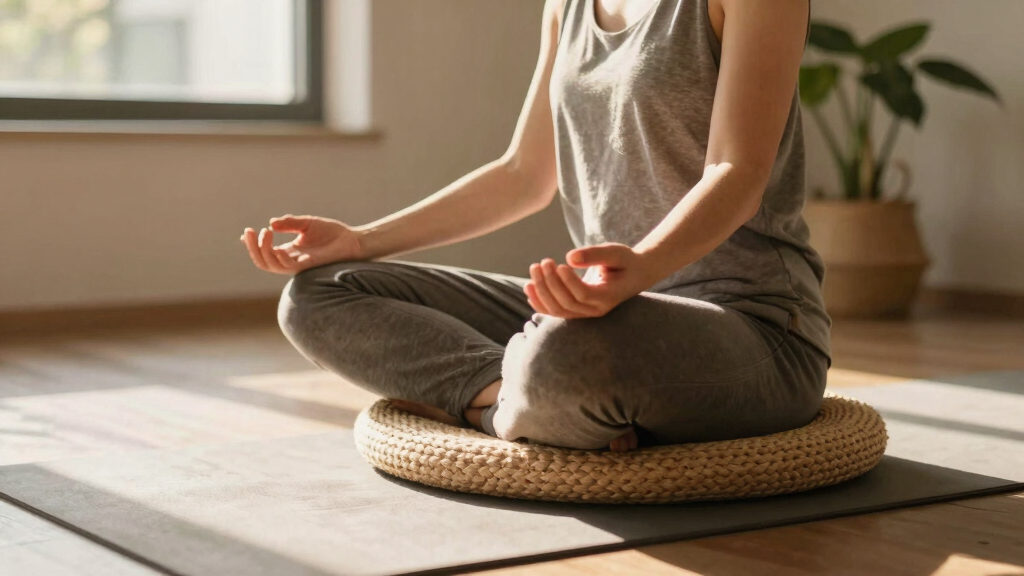
Comfort starts with support. A good cushion or mat cushions your body, reducing pressure on joints and hips. For example, a typical zafu filled with buckwheat hulls molds to your shape, offering firm, adaptable support. Pair it with a zabuton, a flat cushion, for extra softness beneath your knees or ankles.
Imagine sitting cross-legged for 20 minutes—your knees shouldn’t feel like they’re being crushed, nor your hips strained. The right cushion aligns your spine and lets you breathe freely. Think of it as giving your body a gentle hug, so your mind stays focused on your practice, not on discomfort.
Choosing a cushion that provides proper support is crucial because it directly impacts your ability to maintain a comfortable, upright posture. If support is insufficient, you might unconsciously shift or slump, which can lead to discomfort or even pain over time. Conversely, overly firm cushions might create pressure points, leading to numbness or distraction. Finding the right balance ensures your body can relax and your mind can remain attentive during meditation.
Beyond immediate comfort, the right support influences your long-term practice. Proper posture reduces strain on muscles and joints, preventing injuries that could discourage regular meditation. It also helps maintain alertness, as well-supported spines facilitate better breathing and circulation, which are vital for deep, sustained focus.
As an affiliate, we earn on qualifying purchases.
Which Type of Cushion Fits Your Practice Best?
Not all cushions are created equal, and different styles suit different needs. Here’s a quick comparison:
| Cushion Type | Best For | Pros | Cons |
|---|---|---|---|
| Zafu | Seated cross-legged meditation | Elevates hips; molds to body, promoting proper spinal alignment | Can be tall for some; needs stuffing adjustment to customize height |
| Zabuton | Extra padding under knees or ankles | Soft; provides a stable, cushioned base that reduces pressure points | Less support for hips; may require pairing with other cushions for full support |
| Bolster | Reclined or supported postures, or seated with back support | Cylindrical support; versatile for different postures | Limited for traditional cross-legged seated meditation; may not promote optimal spinal alignment in some cases |
Selecting the right cushion depends on your specific posture needs and flexibility. For example, if your hips are tight, a taller zafu can help elevate your pelvis, reducing strain and allowing your spine to stay upright. If your knees tend to ache, a zabuton distributes your weight more evenly, alleviating pressure points that could cause numbness or discomfort. Recognizing these tradeoffs helps you choose a cushion that supports not just immediate comfort but sustainable practice, preventing injury and fostering consistency over time.
What Materials Make Meditation Cushions and Mats Better?
Materials influence comfort, durability, and eco-friendliness. Natural fabrics like cotton or hemp breathe better and feel softer against your skin, which can reduce irritation during long sessions. Fillings such as buckwheat hulls are adjustable, mold to your shape, and are biodegradable, making them environmentally friendly choices that also promote better posture by providing firm support. Foam cushions, while lighter and often cheaper, tend to lose firmness over time, potentially leading to sagging support and reduced comfort. This tradeoff means you might need to replace foam cushions more frequently, impacting sustainability and cost over time.
Choosing the right materials involves understanding how they affect your practice and the environment. For instance, buckwheat hulls conform to your body, offering personalized support that encourages correct alignment. Organic cotton covers reduce exposure to chemicals and support sustainable farming practices, aligning your practice with ecological values. Recycled fillings like kapok or repurposed foam combine eco-consciousness with functionality, though they may have different durability profiles. The material choices also influence the cushion’s weight, portability, and ease of cleaning, which are important considerations for a consistent practice. Ultimately, selecting sustainable, high-quality materials ensures your cushion supports your practice while respecting the planet.
What Are the Latest Trends in Meditation Cushions and Mats?
Innovation is booming. Eco-friendly materials are in high demand—think biodegradable fabrics and recycled fillings—which reduce environmental impact and appeal to sustainability-minded practitioners. Ergonomic designs now support spinal alignment more effectively, which can significantly decrease back strain during long meditation sessions, especially for those with back issues or limited flexibility. Some cushions even come with removable, adjustable fillings, allowing users to tailor their support level precisely—this flexibility supports a wider range of body types and preferences, enhancing comfort and long-term sustainability of the practice.
These innovations are driven by a deeper understanding of the importance of health and sustainability in meditation practice. Eco-friendly materials—such as organic cotton, hemp, or recycled fabrics—are not only more sustainable but often more breathable and comfortable, encouraging longer, more relaxed sessions. Adjustable fillings address individual needs, making cushions versatile and reducing waste by extending their lifespan. Modern aesthetic designs, blending traditional motifs with minimalist styles, foster a sense of calm and inspire regular practice. Multi-functional features like cushions doubling as lumbar supports or mats with storage pockets demonstrate how innovation is making meditation gear more adaptable and user-friendly, aligning practice with contemporary lifestyles while honoring tradition.
How to Pick the Perfect Cushion or Mat for You?
Follow this simple process:
- Assess your sitting posture and comfort needs. Do you prefer cross-legged, kneeling, or lying down? Understanding your typical position helps identify the support and height required for optimal alignment.
- Choose a cushion height that keeps your spine straight and hips open. Taller cushions lift you just enough to prevent slumping, but not so high that you strain your hips or knees. Balancing height and stability is key for comfort and proper posture.
- Opt for materials that match your lifestyle—natural, hypoallergenic, or eco-friendly options are popular now. Consider durability and maintenance as well, since these factors influence long-term satisfaction.
- Test different firmness levels by sitting on various cushions in a store or reading reviews online. Feel for how well the cushion supports your body without creating pressure points or allowing excessive sinking.
- Consider portability if you meditate outside or travel—look for lightweight, foldable designs with handles. This ensures your practice remains consistent no matter where you are, emphasizing the importance of convenience alongside comfort.
Remember, comfort is deeply personal. What works for your friend might not suit you. Take time to experiment with different styles and materials, and don’t hesitate to make adjustments until your seat feels like a cozy, supportive hug that encourages sustained, mindful practice. Finding the right cushion is about understanding your body’s unique needs and being willing to adapt as your practice evolves. Over time, you’ll discover which shapes, firmness levels, and materials help you sit comfortably and maintain focus, making your meditation a truly nourishing experience.
How to Keep Your Cushion or Mat in Top Shape?
Proper maintenance extends the life of your favorite meditation gear. Regularly spot clean covers with mild detergent, and if possible, machine wash them. For cushions with removable covers, take them off and let them air dry to prevent mold and odors. This helps maintain cleanliness and structural integrity, ensuring your cushion remains a supportive, inviting seat for years to come.
For foam mats, wipe with a damp cloth and avoid harsh chemicals that could degrade the material. Store cushions in a dry, cool place, and avoid exposure to direct sunlight, which can fade colors and weaken fabrics over time. Proper storage not only prolongs the lifespan of your gear but also keeps it looking fresh and inviting, encouraging regular practice and mindfulness.
Frequently Asked Questions
What is the best type of cushion for beginners?
For beginners, a medium-height zafu filled with buckwheat hulls offers a comfortable, adaptable support system. It’s stable, moldable, and easy to adjust, making it ideal for those just starting out.
How do I choose the right size and firmness?
Measure your hip width and consider your flexibility. If you sit cross-legged comfortably, a lower cushion may work. If you find yourself leaning forward or backward, a taller, firmer cushion can help keep your spine aligned.
Are eco-friendly cushions more durable?
Eco-friendly cushions made from natural fibers like hemp or organic cotton tend to be durable if cared for properly. Their natural materials resist wear and tear longer, especially when regularly maintained.
Can I use a regular pillow instead of a meditation cushion?
While a pillow can work temporarily, meditation cushions are designed to support specific postures comfortably over longer periods. Regular pillows may lack the firmness and shape needed for proper alignment.
How do I clean and maintain my meditation cushion and mat?
Removable covers can be machine washed with gentle detergent. For the cushions themselves, spot clean with a damp cloth, and store in a dry, cool place. Regular maintenance keeps your gear fresh and supportive for years to come.
Conclusion
Ultimately, your meditation seat should feel like a natural extension of your body and space. It’s not just about comfort—it’s about creating a sanctuary where focus and calm can flourish. Invest in the right cushion or mat, and watch your practice deepen.
Imagine sinking into your favorite cushion after a long day, feeling the gentle support that helps your mind settle—every single time. That’s the power of choosing the right gear. Now, go find your perfect seat and sit with intention.
Fall Picks
fall essentials
As an affiliate, we earn on qualifying purchases.