

To handle office stress and difficult bosses using stoicism, focus on staying calm and maintaining perspective. Practice mindful communication, listen carefully, and think before reacting. Recognize what’s within your control—your responses—rather than external circumstances or others’ behavior. By managing your emotions and setting clear boundaries, you build resilience and foster a positive outlook. Continuing to explore these strategies can help you develop a stronger, more composed approach to workplace challenges.
Key Takeaways
- Practice mindful communication to respond thoughtfully rather than react impulsively to office conflicts.
- Recognize what is within your control and focus on your reactions to reduce stress.
- Maintain emotional resilience by detaching from negative emotions and staying centered during tense situations.
- Set clear boundaries with difficult colleagues or bosses to prevent escalation and protect your well-being.
- Cultivate a calm, positive mindset to navigate challenges effectively and foster a balanced work environment.

In today’s fast-paced work environment, practicing stoicism can help you stay focused and resilient in the face of challenges. When stress levels rise or conflicts emerge, maintaining a calm and composed mindset allows you to navigate situations more effectively. One of the key tools in this approach is mindful communication. Instead of reacting impulsively or letting emotions dictate your responses, you choose to listen carefully, speak intentionally, and consider your words before acting. This practice helps you avoid misunderstandings and reduces unnecessary tension, creating a more constructive atmosphere even during tense moments. By staying present and attentive, you become less likely to get caught up in emotional reactions, which enhances your emotional resilience. This resilience is vital when dealing with difficult bosses or demanding coworkers because it enables you to keep your cool and avoid escalating conflicts. When you approach office stress with a stoic mindset, you recognize that you can’t control others’ actions, only your reactions. This understanding empowers you to set boundaries and respond thoughtfully instead of impulsively. For example, if your boss criticizes you unfairly, instead of retaliating or feeling defeated, you can take a deep breath, process your emotions, and respond with clarity and professionalism. Over time, this approach builds your emotional resilience, making you less vulnerable to frustration or burnout. It also helps you maintain a positive outlook, even in challenging situations, because you’re focused on what you can control. Practicing mindful communication and emotional resilience doesn’t mean suppressing your feelings but rather managing them effectively. It’s about acknowledging your emotions without letting them overwhelm you, which allows you to stay centered and objective. This way, you can handle office stress more gracefully and avoid the emotional rollercoaster that often accompanies difficult work environments. When faced with an irritable coworker or a tight deadline, your ability to stay calm and communicate mindfully will serve you well. It is also important to recognize that high Cultural Intelligence (CQ) can support better understanding and navigation of diverse workplace dynamics, reducing misunderstandings and conflicts. It’s a skill that, with consistent practice, becomes second nature, helping you respond rather than react. Ultimately, incorporating stoic principles into your daily work routine fosters a more resilient mindset, making it easier to face office stress and difficult personalities. You learn to detach from emotional turmoil, focus on what truly matters, and maintain your integrity and professionalism. This approach not only benefits your mental well-being but also improves your relationships at work, creating a more balanced and productive environment.

Kensaker Tall Drafting Chair with Footrest Ring for Home and Work, Ergonomic Home Desk Office Chair with Flip up Arms and Lumbar Support, Extended Height Executive Desk Office(Black)
Supportive Lumbar Support: Kensaker ergonomic drafting chair has a minimalist back design with 2-inch range waist support panel...
As an affiliate, we earn on qualifying purchases.
Frequently Asked Questions
How Can Stoicism Help With Workplace Anxiety?
Workplace anxiety can feel overwhelming, but practicing mindfulness techniques helps you stay present and reduce stress. Stoicism guides you to develop emotional detachment, allowing you to observe your feelings without being overwhelmed. By focusing on what you can control and accepting what you can’t, you’ll build resilience. This approach helps you manage anxiety more effectively, creating a calmer, more focused mindset even in challenging office situations.
What Are Practical Daily Stoic Exercises for Office Stress?
You can practice daily stoic exercises by starting mindful journaling each morning, focusing on what’s within your control. Take a few minutes for daily reflection, reviewing your reactions to office stress and challenging situations. This helps you stay centered and respond thoughtfully instead of reacting impulsively. Regularly practicing these exercises builds resilience, reduces anxiety, and keeps you calm amid workplace chaos.
How to Maintain Emotional Resilience During Workplace Conflicts?
This is the most important skill you can develop—maintaining emotional resilience during conflicts. You need to boost your emotional awareness and practice perspective shifting daily. When tension rises, take a deep breath, step back mentally, and see the situation from the other person’s point of view. This not only calms your mind but helps you respond thoughtfully, turning workplace conflicts into opportunities for growth instead of stress.
Can Stoicism Improve Communication With Difficult Colleagues?
You can improve communication with difficult colleagues by applying stoicism, which enhances your emotional intelligence and conflict resolution skills. When you stay calm and composed, you better understand their perspectives and respond thoughtfully rather than react impulsively. This approach fosters clearer, more respectful conversations, reducing misunderstandings and tension. By practicing stoicism, you create a more collaborative environment, making it easier to address issues constructively and build stronger workplace relationships.
How to Stay Motivated Using Stoic Principles at Work?
Imagine your work as a ship sailing through unpredictable seas. To stay motivated, you anchor yourself with mindful reflection, reminding yourself of your core values and purpose. When storms hit, focus on what you can control, adjusting your sails accordingly. Regularly align your actions with your values, keeping your course steady. This Stoic approach helps maintain motivation, even amid challenges, guiding you toward a fulfilled and resilient work life.

Branch Ergonomic Chair - A Versatile Desk Chair with Adjustable Lumbar Support, Breathable Mesh Backrest, and Smooth Wheels - Experience Optimal Comfort and Support - Light Blue
BRANCH NOW ON AMAZON: Hi, we're Branch. We make it easy for people and teams to build a...
As an affiliate, we earn on qualifying purchases.
Conclusion
Embracing stoicism in your work life is like planting a sturdy tree amidst a storm—you remain grounded no matter how fierce the wind. When office stress or difficult bosses try to shake you, remember your inner resilience is the unbreakable root. With patience and calm, you’ll weather every challenge, blossoming into a stronger, more centered version of yourself. Keep cultivating your inner garden; peace grows where you nurture it.

Sweetcrispy Big and Tall Office Desk Chair with Lumbar Support, 500lbs Heavy Duty Mesh Ergonomic Computer Chair with 4D Armrest and Wide Comfy Seat, Wheels for Adult, Black
Extra Large Comfortable Chair: This home office chair comes with a wider, thicker cushion (22D"×26.77W", 4.33" thick), ideal...
As an affiliate, we earn on qualifying purchases.
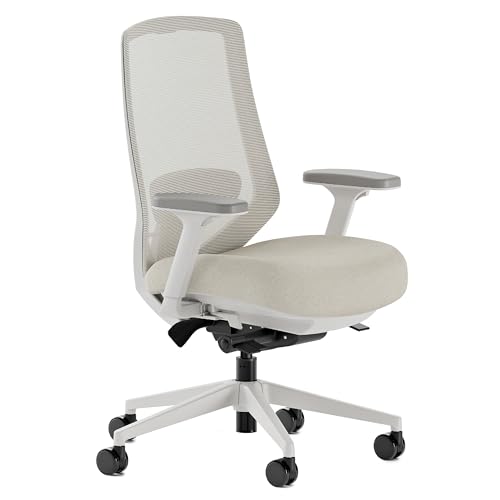
Branch Ergonomic Chair Pro - Mesh Office Chair with 14 Points of Adjustment - Height, Depth & Tilt Adjustable - 5D Armrests - Forward Tilt, Smooth Recline, and Lumbar Support - Shore
14 POINTS OF ADJUSTMENT: Fine-tune your seating with 14 customizable features for all-day ergonomic support. Our ergonomic mesh...
As an affiliate, we earn on qualifying purchases.