The Stoics believe that true human flourishing isn’t about external success or possessions but about cultivating inner virtues like wisdom, courage, justice, and self-control. You develop these qualities by aligning your actions with reason and morality, which builds resilience against life’s challenges. Managing your emotions thoughtfully helps you stay calm and centered, even during chaos. If you want to discover how mastering inner qualities leads to genuine happiness and resilience, there’s more to explore.

Get books, candles and calm essentials delivered free — and shop member deals
- Fast, free delivery on millions of items
- Access to Prime Big Deal Days deals on October 6–7
- Prime Video, Amazon Music and more included
Key Takeaways
- Human flourishing in Stoicism centers on virtue development, not external success or possessions.
- Virtues like wisdom, courage, justice, and self-control are essential for a good life.
- Inner resilience and emotional mastery are crucial for maintaining tranquility amid life’s challenges.
- Flourishing involves aligning actions with reason and morality, fostering internal growth.
- Reflective practices and self-awareness cultivate resilience and deepen understanding of true well-being.
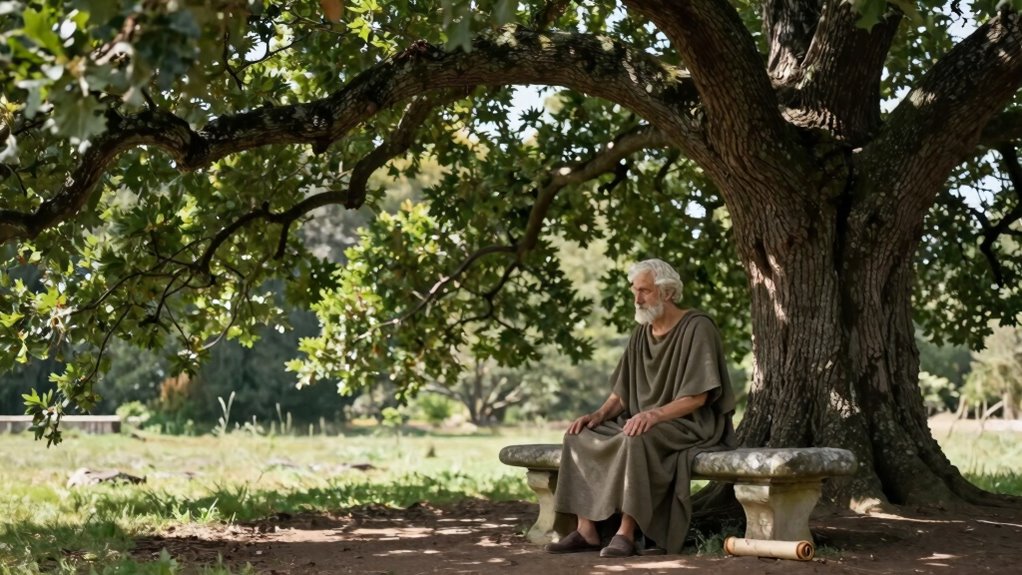
What does it truly mean to flourish as a human being? According to the Stoics, flourishing isn’t about external success or possessions; it’s about cultivating inner qualities that lead to a good life. Central to this idea is virtue development—shaping your character through wisdom, courage, justice, and self-control. When you focus on developing these virtues, you build a foundation that withstands life’s inevitable challenges. The Stoics believed that true happiness comes from aligning your actions with reason and morality, not from fleeting pleasures or external circumstances. Flourishing, then, is about becoming the best version of yourself by nurturing your character.
Flourishing means cultivating virtues and aligning actions with reason for a resilient, meaningful life.
A key part of this process is emotional resilience. The Stoics saw emotions like anger, jealousy, or fear as natural but believed they should be managed through rational thought and discipline. When you practice emotional resilience, you learn to respond thoughtfully rather than react impulsively. This resilience allows you to maintain tranquility amid chaos and setbacks, keeping your mind steady regardless of external events. The Stoics didn’t suggest suppressing emotions but developing the strength to face them without being overwhelmed. By doing so, you preserve your inner peace and stay committed to your virtues, no matter what life throws at you. Developing this resilience also involves understanding the importance of self-awareness, which is central to cultivating a resilient and virtuous character. Additionally, understanding the role of contrast ratios in perception can help you better interpret your emotional responses and maintain clarity of thought. Recognizing the influence of perception on your emotional state can further enhance your ability to respond rationally in difficult situations. Furthermore, the Stoics emphasized that practicing reflection regularly helps internalize virtues and develop a resilient mindset.
In practical terms, this means regularly reflecting on your actions and motivations. The Stoics emphasized the importance of self-awareness and mindfulness—knowing yourself well enough to recognize when your emotions threaten your virtues. With consistent effort, you become better at controlling your impulses and aligning your behavior with reason. This process of virtue development isn’t a one-time achievement but a lifelong journey. As you grow more emotionally resilient, you’ll find it easier to accept setbacks and remain focused on your goals. Your resilience isn’t about denying feelings but about mastering them so they serve your growth rather than hinder it. Recognizing the role of inner virtues in this process can deepen your understanding of what it means to truly flourish.
As an affiliate, we earn on qualifying purchases.
Frequently Asked Questions
How Do Stoics Define Happiness Differently From Modern Perspectives?
You see, Stoics define happiness through virtue cultivation and resilience, focusing on inner peace rather than external circumstances. Unlike modern views that often associate happiness with pleasure or success, Stoics believe true happiness comes from mastering your reactions and living ethically. By practicing Stoic resilience, you develop strength to face life’s challenges, understanding that genuine fulfillment arises from aligning your actions with virtue, regardless of external outcomes.
Can Stoic Principles Be Applied to Contemporary Mental Health Issues?
Think of Stoic principles as a sturdy compass guiding you through storms. You can apply these ideas to mental health by building emotional resilience and practicing mindfulness techniques. By focusing on what you can control and accepting what you can’t, you develop inner strength. These timeless strategies help you navigate modern stress, anxiety, and sadness more effectively, offering a steady anchor amid life’s unpredictable waves.
What Role Does Virtue Play in Achieving Human Flourishing?
Virtue is the foundation of achieving human flourishing, guiding your moral development and actions. When you cultivate virtues like wisdom, courage, justice, and moderation, you build a strong character that withstands life’s challenges. By consistently practicing virtue, you align your life with natural reason, fostering inner peace and fulfillment. This moral development helps you live authentically, making meaningful contributions, and ultimately leading to a truly flourishing life.
How Do Stoics View External Success and Material Wealth?
The Stoics see external wealth and material success as indifferent—they don’t define your worth or happiness. You shouldn’t rely on external success for fulfillment because it’s beyond your control. Instead, focus on cultivating virtue, which leads to true human flourishing. Material wealth may provide comfort, but it’s fleeting. Your inner character and how you respond to life’s challenges matter most for a meaningful, flourishing life.
Are Stoic Practices Suitable for Everyone Regardless of Background?
Did you know that over 60% of people find Stoic practices helpful? Yes, Stoic practices can be suitable for everyone, regardless of background. Their focus on resilience and emotional control offers cultural adaptability, allowing you to apply them in various life situations. Whether you come from a different personal background or cultural setting, these practices empower you to cultivate inner peace and thrive amid life’s challenges.
Conclusion
Imagine walking through a storm, your feet steady on the ground, unaffected by the relentless wind. That’s what the Stoics believed about human flourishing — staying rooted amidst life’s chaos by mastering your mind and emotions. When you focus on virtue and control what you can, you cultivate a calm, resilient spirit. This inner strength becomes your lighthouse, guiding you safely through life’s tempests toward true fulfillment and peace.
Halloween Picks
halloween
As an affiliate, we earn on qualifying purchases.