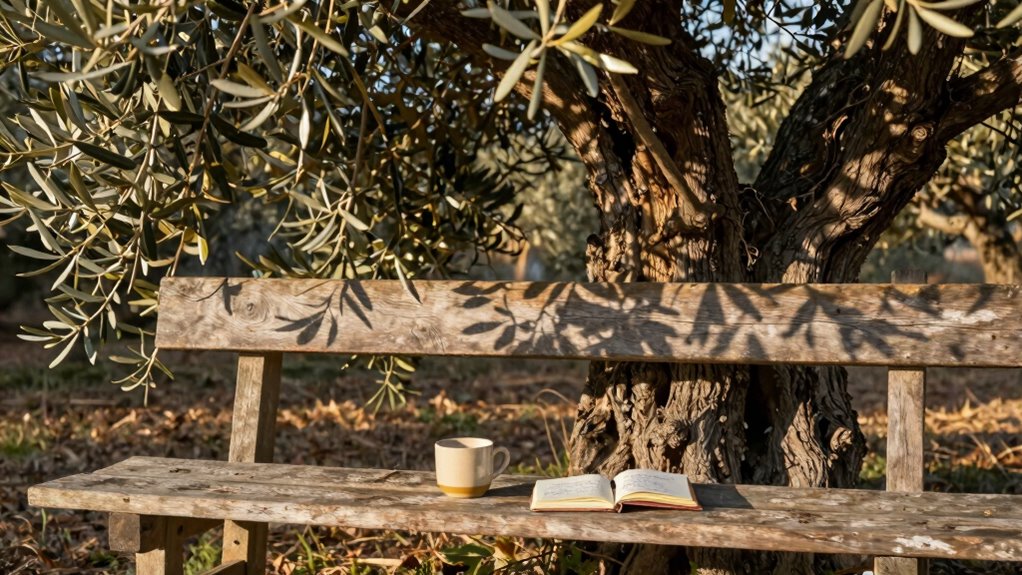

The Stoics teach you to focus on internal virtues like gratitude and moderation instead of external possessions. They emphasize recognizing what’s enough and appreciating everyday blessings, such as kindness or quiet moments. By shifting your focus inward, you develop resilience and contentment that aren’t dependent on external circumstances. Practicing gratitude helps you avoid excess desire and find joy in simplicity. Keep exploring, and you’ll discover how these principles can bring lasting peace to your life.
Listen free for 30 days with Audible
Thousands of audiobooks and originals — cancel anytime.
As an affiliate, we earn on qualifying purchases.
Key Takeaways
- The Stoics emphasized gratitude for what is already present rather than yearning for more.
- Recognizing “enough” fosters contentment and reduces desire-driven dissatisfaction.
- Internal virtues, such as humility and moderation, are essential for true happiness.
- Reflecting daily on blessings cultivates resilience and shifts focus inward.
- Living virtuously involves accepting sufficiency, leading to inner peace and serenity.

Many people today seek happiness through more—more possessions, more success, more acknowledgment—but the Stoics remind us that true contentment comes from cultivating gratitude and recognizing what is enough. Instead of constantly chasing after external rewards, they teach that shifting your focus inward through mindful appreciation can transform your outlook on life. When you practice mindful appreciation, you become aware of the good already present in your daily experiences—whether it’s a warm meal, a kind word, or simply the breath in your lungs. This awareness helps you pause and acknowledge that you already have enough, fostering a sense of peace rooted in contentment cultivation.
Cultivate gratitude to recognize enough and find peace in the present moment.
The Stoics emphasize that contentment isn’t about having less but about appreciating what you have. They suggest that by regularly reflecting on your blessings, you develop a mindset that values sufficiency over excess. When you recognize what is enough, you free yourself from the endless cycle of desire that leads to dissatisfaction. Instead of constantly striving for more, you learn to accept your current circumstances, finding joy in the present moment. This approach isn’t about complacency but about understanding that happiness isn’t dependent on external things, which are often beyond your control. Cultivating this mindset also involves understanding the nature of internal versus external sources of happiness, helping you focus on what truly matters. Recognizing that true happiness often stems from internal virtues rather than external possessions is a key aspect the Stoics highlight.
Practicing contentment cultivation requires intentional effort. It involves asking yourself questions like, “Am I grateful for what I have right now?” or “Do I truly need more to be happy?” When you develop this habit, gratitude becomes a natural part of your daily routine. You begin to see abundance in simple things—a sunset, a conversation, a moment of quiet—rather than always looking outward for fulfillment. Over time, this shift helps you build resilience against the cravings and distractions that pull you away from true contentment. The Stoics also teach that developing an attitude of mindful appreciation can serve as a powerful tool for nurturing inner peace, especially during challenging times. Recognizing what is enough aligns with living virtuously and fosters inner resilience.
Additionally, understanding the importance of balanced desires can help reinforce this mindset, promoting moderation and reducing unnecessary dissatisfaction. The Stoics also remind us that recognizing what is enough aligns with living virtuously. When you focus on gratitude and contentment, you’re less likely to be swayed by materialism or superficial pursuits. Instead, you cultivate virtues like humility and moderation, which lead to a deeper, more lasting sense of happiness. Ultimately, the Stoic path encourages you to internalize the idea that enough is enough. It’s not about settling or giving up but about embracing a mindset that values what you have and finds serenity in that acknowledgment. Through mindful appreciation and contentment cultivation, you can lead a more peaceful and fulfilled life, grounded in the wisdom of the Stoics.
gratitude journal for mindfulness
As an affiliate, we earn on qualifying purchases.
As an affiliate, we earn on qualifying purchases.
Frequently Asked Questions
How Can Stoics Practice Gratitude During Challenging Times?
During challenging times, you can practice gratitude by focusing on mindful appreciation for what you still have, rather than what you lack. This shift strengthens your emotional resilience, helping you endure hardships with a calmer mind. Recognize small positives each day, and remind yourself that difficulties are temporary. By cultivating this perspective, you build inner strength, allowing gratitude to flourish even amid adversity.
What Is the Difference Between Contentment and Complacency in Stoicism?
Contentment in Stoicism is when you find peace with what you have, managing desire and emotional attachment, feeling satisfied without excess. Complacency, however, is a lack of growth or effort, often rooted in emotional attachment to comfort. You practice desire management to stay content, avoiding complacency’s trap. While contentment fosters gratitude, complacency can hinder progress, so you stay mindful of your emotional attachments and continually seek virtue.
Do Stoics Believe Enoughness Varies With Individual Circumstances?
Yes, Stoics believe enoughness varies with individual circumstances, focusing on personal fulfillment rather than absolute standards. They teach you to determine what’s enough based on your circumstances, recognizing that relative sufficiency leads to contentment. Instead of chasing constant excess, you learn to appreciate what you have, aligning your sense of enoughness with your true needs. This perspective helps you cultivate gratitude and find peace regardless of external conditions.
How Does Gratitude Influence a Stoic’s Mental Resilience?
Gratitude boosts your mental resilience by strengthening emotional regulation and encouraging perspective shifting. When you focus on what you’re thankful for, you can better manage setbacks and stay calm amid challenges. This practice helps you see difficulties as temporary, fostering acceptance and patience. By cultivating gratitude, you develop a resilient mindset that enables you to navigate life’s uncertainties with grace, turning obstacles into opportunities for growth.
Can Stoic Principles Help Cultivate Genuine Gratitude?
Yes, Stoic principles can help you cultivate genuine gratitude through virtue cultivation and emotional regulation. By focusing on what you can control and practicing mindfulness, you develop a deeper appreciation for life’s blessings. This approach encourages you to see abundance in what you already have, fostering authentic gratitude. Emotional regulation allows you to maintain perspective during challenges, reinforcing a mindset of contentment and appreciation that aligns with Stoic teachings.
Conclusion
So, what if embracing gratitude and recognizing enoughness could truly transform your life? The Stoics suggest it’s not about having more, but appreciating what you already possess. But are you ready to let go of your endless desires and find peace in enough? The choice is yours—will you cling to scarcity or step into a life of true contentment? The answer awaits, just beyond your comfort zone.
NFL season / tailgating Picks
team gear
As an affiliate, we earn on qualifying purchases.