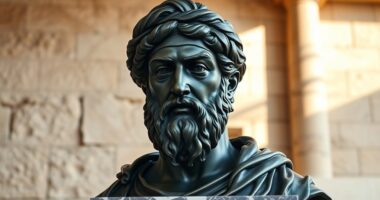

Stoicism teaches you that fearing death or wasting your life is unnecessary because accepting mortality helps you embrace each moment with purpose. By contemplating death as a natural part of life, you can transform fear into motivation to live virtuously and intentionally. Recognizing death as a passage rather than an end shifts your perspective, allowing you to focus on what truly matters. Keep exploring to discover how aligning with these principles can bring resilience and fulfillment.
Open a free Amazon Business account
Business pricing, bulk buying and tax-exempt orders.
As an affiliate, we earn on qualifying purchases.
Key Takeaways
- Stoicism teaches embracing mortality as natural to reduce fear and foster acceptance.
- Regular reflection on death (“memento mori”) helps prioritize meaningful, virtuous living.
- Focusing on internal virtues, not external success, diminishes worries about wasting life.
- Recognizing death as a passage encourages living intentionally and aligning actions with purpose.
- Philosophical exploration of mortality transforms fear into opportunities for growth and fulfillment.

Have you ever wondered how Stoicism addresses the common fear of death and the worry about living a wasted life? It’s a question that prompts deep existential reflections, pushing you to confront the core of your fears and find a way to accept life’s inevitable truths. Stoicism teaches that understanding and embracing mortality can actually strengthen your emotional resilience. Instead of avoiding thoughts of death, you’re encouraged to face them head-on, recognizing that death is a natural part of existence. When you accept this, it no longer becomes a source of terror but rather a reminder to value each moment and live intentionally.
Embracing mortality transforms fear into purpose, inspiring us to live fully and intentionally each precious moment.
The Stoics believe that much of our fear stems from the illusion that death is something to be avoided or feared. They urge you to see death not as an enemy but as an essential part of life’s cycle. By contemplating mortality regularly—what the Stoics called “memento mori”—you develop a clear perspective on what truly matters. This reflection helps you prioritize meaningful actions over trivial pursuits, reducing the worry that your life is wasted. It’s a way of anchoring your sense of purpose in the understanding that your time is limited, making every moment more precious and deliberate. Recognizing the importance of mindful reflection can deepen your understanding of mortality’s role in shaping a fulfilling life.
Furthermore, Stoicism teaches that the fear of a wasted life often arises from attachment to external validation or material pursuits. Instead, it emphasizes focusing on your internal virtues—wisdom, courage, justice, and temperance—as the true measures of a fulfilled life. When you align your actions with these virtues, you cultivate a sense of integrity regardless of external outcomes. This inward focus boosts your emotional resilience, allowing you to endure setbacks and uncertainties without despair. You realize that living well isn’t about achieving superficial success but about developing your character and staying true to your principles. Developing a philosophical perspective can help you better understand and accept these principles as part of your lifelong journey. Additionally, understanding the significance of risk tolerance in personal growth can provide valuable insight into how you handle fears about mortality and life’s purpose.
The Stoics also remind you that death isn’t the end but a passage, and that living rightly is the best way to prepare for it. By embracing your mortality and practicing daily reflections, you foster a sense of peace and purpose. You learn to accept what you cannot control—like the inevitability of death—and to concentrate on what you can control: your attitude and actions. This mindset nurtures resilience against fears and regrets, helping you live more fully and authentically. Additionally, understanding the importance of a high contrast ratio in guiding your visual perception can serve as a metaphor for how clarity and depth in your life’s priorities enhance your overall well-being. Recognizing the importance of philosophical exploration can also deepen your understanding of existential themes, further strengthening your resilience. Ultimately, Stoicism guides you to see death and the fear of wasting life not as threats, but as opportunities for growth, clarity, and genuine fulfillment.
As an affiliate, we earn on qualifying purchases.
Frequently Asked Questions
How Does Stoicism Address Anxiety About Loved Ones’ Mortality?
Stoicism teaches you to develop emotional resilience by accepting mortality as a natural part of life. You’re encouraged to focus on your moral reflection, cherishing the time you have with loved ones and acting virtuously. Instead of fearing their mortality, you learn to appreciate each moment, understanding that controlling your reactions and cultivating virtue helps you face loss with equanimity and grace.
Can Stoicism Help With Fear of an Unfulfilled Life?
Yes, Stoicism can help you with the fear of an unfulfilled life. It encourages existential reflection, prompting you to evaluate your purpose and values. By practicing this, you build personal resilience, enabling you to focus on what truly matters. Stoicism teaches you to accept limitations and take deliberate actions aligned with your principles, reducing anxiety about unmet potential and fostering a sense of fulfillment and inner peace.
What Practices Do Stoics Recommend to Confront Death Fears?
To confront death fears, Stoics recommend practicing mortality acceptance by regularly contemplating death, which helps you accept its inevitability. Engage in death contemplation to reflect on life’s transient nature and focus on living virtuously today. These practices shift your perspective, reducing fear and anxiety. By embracing mortality openly, you cultivate resilience and appreciation, making death less intimidating and encouraging you to live a meaningful, fulfilled life.
Does Stoicism Suggest Any Rituals for Accepting Mortality?
Imagine facing your mortality with calm and clarity—Stoicism doesn’t prescribe formal rituals but encourages an eternal perspective and mindful acceptance. A common practice is daily reflection, where you contemplate death’s inevitability, fostering peaceful acceptance. By embracing this mindset, you see life’s fleeting nature clearly, reducing fear. This ongoing mental ritual helps you live fully, knowing death’s arrival is certain, and encourages you to cherish each moment with serenity.
How Do Stoics Balance Living Fully and Preparing for Death?
You balance living fully and preparing for death by focusing on virtue cultivation and seeking eudaimonic fulfillment. Embrace each moment, making choices aligned with your highest values, while recognizing mortality’s inevitability. Stoics encourage you to act with purpose, appreciating life’s fleeting nature without fear. This mindset helps you live passionately today, while calmly preparing for death, ensuring your life reflects meaningful virtues and genuine fulfillment.
Conclusion
Remember, as the Stoics teach, “Carpe diem”—seize the day. Embrace the present moment and focus on living virtuously, rather than fearing death or wasting your life. By aligning your actions with your values, you’ll find peace and purpose. Don’t let fear hold you back; instead, let it remind you to make every moment count. Live intentionally, and regret will have no place in your heart.
NFL season / tailgating Picks
team gear
As an affiliate, we earn on qualifying purchases.