

To tell the difference between interest and attachment, notice how you feel around the person. Genuine interest is based on curiosity, admiration, and mutual respect, allowing you to enjoy independence and feel energized. Attachment, however, makes your happiness depend heavily on their approval, leading to insecurity and clinginess. If you notice yourself craving validation or feeling anxious when they’re not around, it’s likely attachment. Keep exploring these signs to better understand your feelings and foster healthier relationships.

Turn your quiet moments into listening time
- Thousands of audiobooks, podcasts and originals
- Listen on your phone, tablet or Echo — also offline
- Cancel anytime
Key Takeaways
- Genuine interest is driven by curiosity and admiration, while attachment is rooted in emotional dependency and neediness.
- Interest allows for independence and enjoyment of alone time; attachment feels suffocating and insecure.
- Feelings of happiness depend on mutual respect; attachment relies heavily on validation from the other person.
- Interest fosters natural, balanced interactions; attachment often leads to obsessive checking and clinginess.
- Recognize signs of dependency, such as constant reassurance needs, to distinguish attachment from healthy interest.
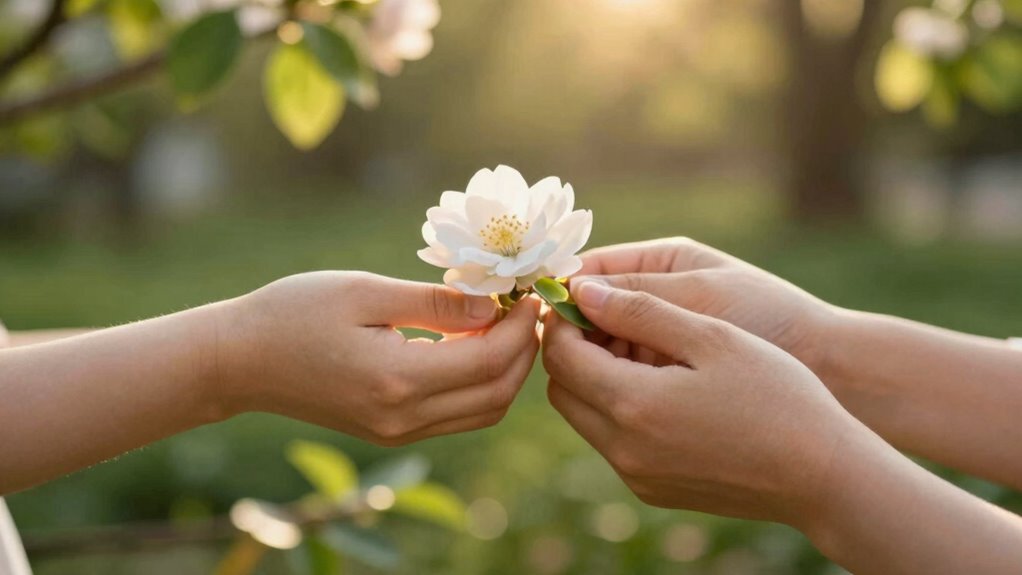
Understanding the difference between interest and attachment is essential for maintaining healthy relationships and emotional well-being. When you’re drawn to someone, it’s natural to feel excited and curious, but over time, that initial interest can morph into something deeper—sometimes, into attachment. Recognizing whether your feelings stem from genuine interest or emotional dependency is crucial, as it helps you avoid falling into patterns of fleeting fascination that might not serve your best interests.
Interest often begins with a sense of curiosity and admiration. You enjoy spending time with someone because they inspire you, make you laugh, or challenge your perspectives. This feeling is usually light, energizing, and based on mutual respect. You’re genuinely interested in learning about their thoughts and experiences, and your interactions tend to feel natural and balanced. Importantly, with interest, your emotional investment doesn’t feel overwhelming. It’s easy to maintain your independence because your feelings are rooted in appreciation rather than reliance.
Interest is light, energizing, rooted in admiration and mutual respect, allowing independence and genuine connection.
Attachment, on the other hand, can creep in when your emotions start to depend heavily on someone else’s presence or approval. You might notice yourself constantly seeking reassurance or feeling anxious when you’re apart. Emotional dependency begins to blur the lines between affection and neediness, making you cling to the connection out of fear of losing it. This isn’t just about caring; it’s about craving validation and feeling incomplete without the other person. Sometimes, what begins as interest becomes a fleeting fascination, but if you’re not careful, it can turn into a cycle of emotional dependency that’s difficult to break.
You can tell the difference by paying attention to how you feel when you’re apart from the person. If your happiness and self-esteem are tied to their actions or responses, that’s a sign of attachment. If your interest is genuine, you can enjoy your independence and still feel connected without feeling anxious or obsessed. Consider whether your feelings are motivated by admiration and curiosity or by a fear of loneliness and an urgent need for reassurance. When you’re truly interested, your interactions feel enriching rather than suffocating. When attachment takes hold, you might find yourself constantly checking your phone, craving affirmation, or feeling insecure.
Ultimately, understanding these distinctions helps you foster healthier relationships. When your feelings are rooted in genuine interest, you can appreciate the connection without losing sight of yourself. Recognizing the signs of emotional dependency versus interest allows you to nurture meaningful bonds while maintaining your emotional independence and avoiding the trap of fleeting fascination that can fade as quickly as it appeared.
self-help books on healthy relationships
As an affiliate, we earn on qualifying purchases.
As an affiliate, we earn on qualifying purchases.
Frequently Asked Questions
Can Attachment Develop Suddenly Without Warning?
Yes, attachment can develop suddenly without warning. Emotional triggers and attachment triggers often spark intense feelings quickly, making you realize you’re deeply connected. You might suddenly feel anxious or possessive, which signals attachment forming unexpectedly. It’s important to recognize these signs early, so you can understand whether it’s genuine interest or just an emotional reaction. Paying attention to your feelings helps you manage attachment before it becomes overwhelming or unhealthy.
How Does Emotional Dependency Relate to Attachment?
Emotional dependency is like a vine that wraps tightly around your feelings, making you rely heavily on someone else for validation. It’s closely tied to attachment, as dependency patterns develop when you seek constant reassurance and fear losing that connection. This reliance blurs the line between healthy interest and unhealthy attachment, leading you to depend emotionally on others rather than building resilience within yourself.
Is Attachment Always Harmful or Can It Be Healthy?
Attachment isn’t always harmful; it can be healthy when it’s balanced with healthy boundaries and emotional resilience. When you maintain boundaries, you protect your well-being, fostering trust and closeness without losing yourself. Emotional resilience helps you handle attachment’s ups and downs, ensuring it doesn’t become overly dependent. Healthy attachment supports mutual growth and connection, while unhealthy attachment can lead to dependency. The key is to nurture connection without compromising your independence.
How Do Cultural Differences Influence Attachment Styles?
Cultural differences profoundly influence attachment styles by shaping how you express and interpret attachment behaviors. Cultural norms dictate acceptable attachment expressions, whether through closeness or independence. For example, some cultures promote emotional openness, fostering secure attachment, while others value emotional restraint, leading to different attachment patterns. By understanding these cultural influences, you can better recognize your own attachment style and appreciate how cultural norms shape your relationships and emotional connections.
Can Interest Turn Into Attachment Over Time?
Interest can definitely turn into attachment over time, like a small spark growing into a flame. As you spend more time together, emotional resilience is tested, and relationship boundaries may blur. If you don’t maintain healthy boundaries, what starts as curiosity can deepen into attachment, making it harder to let go. Recognizing this shift helps you stay mindful, nurturing genuine connections without losing yourself in the process.
Conclusion
Remember, interest is like a gentle breeze—a invigorating, fleeting whisper that lifts you up without weighing you down. Attachment, however, is a sturdy anchor, holding you firm even when the storm rages. When you’re aware of these symbols, you can navigate your feelings with clarity. Let interest drift like leaves on a stream, while attachment anchors you to what truly matters. Recognize the difference, and steer your heart wisely through life’s ebb and flow.
Fall Picks
fall essentials
As an affiliate, we earn on qualifying purchases.