
TL;DR

Get books, candles and calm essentials delivered free — and shop member deals
- Fast, free delivery on millions of items
- Access to Prime Big Deal Days deals on October 6–7
- Prime Video, Amazon Music and more included
This article offers guidance on how families can support their communities during resource shortages without jeopardizing their own stability. It emphasizes prioritizing order at home, offering skills over supplies, and building trust through small, intentional acts.
Families can serve their communities effectively during resource shortages by prioritizing household stability, offering skills, and building trust through deliberate, small acts of help.
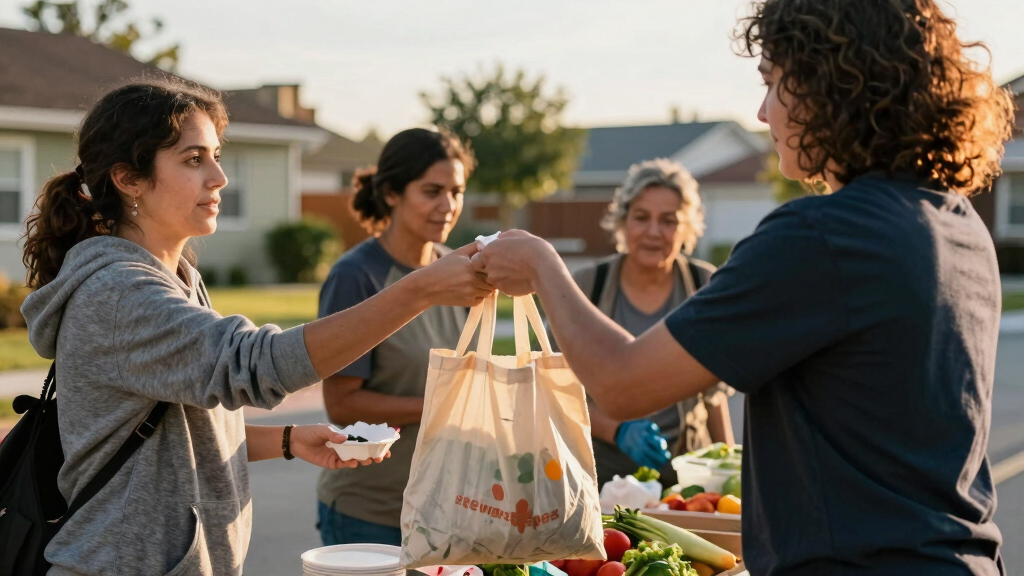
Effective community service in tight resource conditions begins with ensuring one’s own household is stable. This means managing finances, food supplies, and emotional well-being before extending help outward. Service does not always require monetary aid; practical effort, such as repairing fences or watching children, can be more valuable than cash donations. Preppers’ skills—like fixing equipment, preserving food, or organizing supplies—are community assets that can provide long-term benefits. Small, thoughtful gifts, like eggs or firewood, help neighbors without depleting personal reserves. Building habits of neighborly support—checking on seniors, sharing seedlings, or helping with chores—fosters trust, which is essential during crises. However, safety considerations remain vital; help should be offered with boundaries, avoiding risky situations or exposing family vulnerabilities. Ultimately, maintaining household margins while being a dependable neighbor creates resilient communities capable of weathering shortages and emergencies.
Why Community Support Matters During Resource Shortages
Supporting others during lean times strengthens community resilience and trust, reducing individual burdens and fostering collective safety. It demonstrates that service is most effective when balanced with household stability, ensuring that families can continue to serve without risking their own security. Such practices build social bonds that are crucial during crises, making communities more adaptable and prepared for future challenges.
As an affiliate, we earn on qualifying purchases.
Prepping Principles for Community Service in Tough Times
Preparedness advocates emphasize that service becomes more thoughtful and disciplined when resources are scarce. The approach advocates starting with household stability, then offering skills and small gifts that preserve personal reserves. Building neighborly habits before crises develop is a longstanding strategy to foster trust and resilience, especially in times of economic hardship or supply chain disruptions. These principles align with broader survival and community-building practices promoted by prepper communities and disaster preparedness resources.
“Help in tight times is most effective when it starts with order at home and extends through practical skills and small acts of kindness.”
— Preparedness expert
Unanswered Questions About Community Help Strategies
It is not yet clear how communities will respond at scale to prolonged shortages or economic downturns. Specific guidelines for balancing help and safety, especially in volatile situations, remain to be developed. The effectiveness of these strategies in diverse communities and under different cultural contexts also needs further exploration.
Next Steps for Building Resilient Support Networks
Communities should focus on establishing or strengthening neighborly habits now, such as regular check-ins and skill-sharing. Local organizations and preparedness groups can develop guidelines for safe, effective service during shortages. Monitoring how these practices impact community resilience during ongoing or future crises will be essential for refining approaches and ensuring safety.
Key Questions
How can I help my neighbors without risking my family’s safety?
Offer assistance in public or shared spaces, such as running errands or helping with chores outside the home. Set clear boundaries and avoid exposing your family to risky situations or vulnerable individuals you do not trust.
Skills like food preservation, basic repairs, gardening, first aid, and organizing supplies are highly valuable. Teaching these skills can have long-term benefits for the community.
Should I give away supplies or money during shortages?
It is often better to offer practical effort or skills first. Small, thoughtful gifts from your surplus can help without depleting your resources or risking instability.
How do I build trust with neighbors before a crisis hits?
Engage in regular, helpful interactions—checking on elderly neighbors, sharing seedlings, or helping with chores. Consistency and reliability foster trust that pays off during emergencies.
Source: Survivopedia
Fall Picks
fall essentials
As an affiliate, we earn on qualifying purchases.