

By embracing stoic principles, you can build strength of body and mind through disciplined effort and emotional resilience. Focus on developing mental toughness by accepting what you can’t control, maintaining consistency despite setbacks, and viewing challenges as growth opportunities. Cultivate self-awareness, practice mindfulness, and reinforce your discipline regularly. This approach transforms your workouts into character-building exercises, creating a resilient and balanced individual. Keep exploring to uncover practical ways to integrate stoicism into your fitness journey.
Key Takeaways
- Integrate stoic virtues like self-control and acceptance to develop mental resilience alongside physical fitness.
- Establish disciplined routines and habits to foster consistency and long-term progress in both body and mind.
- Use reflection and mindfulness to enhance self-awareness, reinforce discipline, and track growth.
- View challenges as opportunities for character-building, strengthening emotional endurance through exercise.
- Combine stoic principles with fitness practices to cultivate resilience, patience, and balance in all aspects of life.

Stoicism and fitness might seem like unrelated pursuits, but they actually complement each other remarkably well. When you focus on building your body through exercise, you’re also cultivating mental strength—specifically emotional resilience. Stoic principles teach you to accept what you can’t control and to respond thoughtfully rather than react impulsively. This mindset translates directly into your fitness journey, helping you stay committed even when motivation wanes or setbacks occur. Developing emotional resilience means you’re better equipped to handle the frustrations of sore muscles, plateaus, or missed workouts without losing momentum. It’s about viewing challenges as opportunities for growth rather than obstacles to your progress.
Building emotional resilience through exercise helps you stay committed despite setbacks and challenges.
Discipline strategies play a vital role in merging stoic philosophy with your fitness routine. At its core, discipline is about consistent effort, and stoicism emphasizes self-control and rational decision-making. Instead of relying solely on fleeting motivation, you learn to create habits that support your goals. For example, setting a fixed workout schedule or preparing your meals in advance becomes a form of discipline that aligns with stoic virtues. You train yourself to stay committed regardless of external circumstances, understanding that true strength lies in perseverance. By applying these discipline strategies, you reduce the influence of temporary emotions—like laziness or impatience—and foster a steady, reliable approach to fitness.
Moreover, stoic practices encourage you to reflect on your progress regularly, which reinforces discipline. Journaling about your workouts, noting what went well, and acknowledging areas for improvement help you stay mindful and focused. This kind of self-awareness prevents complacency and keeps your motivation rooted in your long-term values rather than short-lived desires. When faced with setbacks, you remind yourself that adversity is part of the process. This perspective bolsters emotional resilience, ensuring you don’t abandon your goals at the first sign of difficulty. Incorporating mindfulness techniques can further enhance this self-awareness, helping you stay present and centered during your fitness journey.
Incorporating stoic principles into your fitness routine makes discipline more sustainable and meaningful. It shifts your focus from fleeting pleasures or external validation to internal growth and mastery. You learn to be patient with your progress, understanding that strength—both mental and physical—comes incrementally. Over time, this approach transforms your workouts into opportunities to practice resilience, patience, and self-control. As you develop these qualities, you realize that the discipline strategies you cultivate aren’t just about physical gains; they’re about shaping your character and fortifying your mind against life’s inevitable ups and downs. Ultimately, blending stoicism and fitness creates a powerful synergy that builds strength of body and mind, helping you become a more resilient, disciplined, and centered individual.
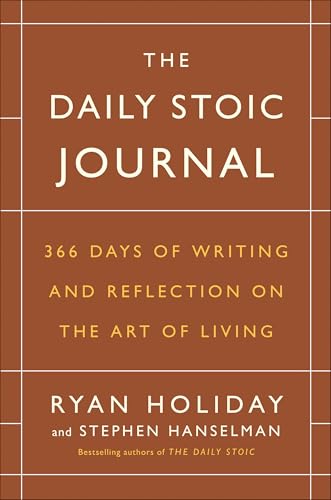
The Daily Stoic Journal: 366 Days of Writing and Reflection on the Art of Living
As an affiliate, we earn on qualifying purchases.
As an affiliate, we earn on qualifying purchases.
Frequently Asked Questions
How Can Stoicism Help With Workout Motivation?
Stoicism boosts your workout motivation by helping you manage emotional regulation, so setbacks don’t derail your progress. It encourages focusing on what you can control, making your goals feel more achievable. Practicing gratitude keeps you positive and committed, even during tough sessions. With this mindset, you stay consistent, turn obstacles into growth, and find motivation in your journey rather than just the end result.
What Specific Stoic Practices Improve Mental Resilience During Training?
When the going gets tough, practicing emotional regulation and mindful reflection can be your saving grace. You can build mental resilience by calmly acknowledging setbacks without overreacting, then reflecting on your progress with honesty. This steady, disciplined approach helps you stay focused, even when fatigue hits. Embrace challenges as opportunities, knowing that each moment of mindful reflection sharpens your mental toughness and keeps you resilient during intense training sessions.
Can Stoic Principles Prevent Workout Burnout?
Yes, stoic principles can prevent workout burnout by helping you practice emotional regulation and mindful reflection. When you face fatigue or frustration, you learn to manage your emotions calmly and stay focused on your long-term goals. Reflecting on your progress and setbacks with a balanced mindset keeps you motivated and resilient, reducing the chances of burnout. This mental clarity enables you to push through tough sessions without losing enthusiasm.
How Does Stoicism Address Setbacks in Fitness Progress?
Imagine a sturdy oak weathering fierce storms; that’s how stoicism helps you face setbacks. You practice mindful acceptance, understanding setbacks are part of growth, not failure. With emotional detachment, you stay grounded, avoiding frustration or discouragement. Instead, you analyze what went wrong, learn from it, and adapt. This resilience keeps you moving forward, turning obstacles into opportunities for strength—both physical and mental.
Are There Stoic Exercises for Enhancing Focus and Discipline?
You can enhance your focus and discipline through stoic exercises like mindful journaling, where you reflect on your goals and challenges daily, strengthening mental clarity. Embrace voluntary discomfort by intentionally pushing yourself beyond comfort zones during workouts, building resilience. These practices cultivate self-control, helping you stay disciplined and focused, even when motivation wanes. Consistent practice of mindful journaling and seeking voluntary discomfort deepens your stoic resilience and sharpens your mental discipline.

Fitness Workout Journal for Women & Men, A5(5.5" x 8.2") Workout Log Book Planner for Tracking, Progress, and Achieving Your Wellness Goals – Green
Track Your Workouts – Stay organized and record your gym workouts with this comprehensive fitness planner. It provides…
As an affiliate, we earn on qualifying purchases.
As an affiliate, we earn on qualifying purchases.
Conclusion
By embracing Stoicism, you turn life’s challenges into stepping stones, forging strength both in body and mind. Like a sturdy tree rooted deep, your resilience grows stronger with each obstacle you face. Remember, discipline and calmness aren’t just for the gym—they’re your allies in everyday life. Keep cultivating your inner fortress, and you’ll find that true strength blooms from the harmony of a resilient mind and a fit body.

Coping Skills Cards for Anxiety & Stress Relief – Mindfulness, Meditation & Self-Care Tools for Trauma, BPD, DID, PTSD | Mental Health Therapy Gift for Adults & Teens
Helps Manage Emotional Distress and Crisis: Specifically designed to alleviate panic attacks, flashbacks, trauma recollections, anxiety, stress, dissociation,…
As an affiliate, we earn on qualifying purchases.
As an affiliate, we earn on qualifying purchases.
Fitness Workout Journal for Women & Men, A5(5.5" x 8.2") Workout Log Book Planner for Tracking, Progress, and Achieving Your Wellness Goals – Green
Track Your Workouts – Stay organized and record your gym workouts with this comprehensive fitness planner. It provides…
As an affiliate, we earn on qualifying purchases.
As an affiliate, we earn on qualifying purchases.