

After divorce, embrace Stoic lessons to start fresh. Focus on building emotional resilience; view setbacks as growth opportunities. Practice mindful communication by being present and honest, setting healthy boundaries. Shift your perspective from fear to curiosity about new encounters. Use past lessons to inform healthier connections and approach dating patiently. Staying grounded with resilience and mindfulness will guide you toward meaningful relationships. If you continue, you’ll discover how these principles can empower your journey forward.
Key Takeaways
- View emotional scars as growth opportunities, fostering resilience that helps navigate new relationships with strength.
- Practice mindful communication by actively listening and expressing feelings honestly to build respectful connections.
- Shift perspective by seeing each date as an opportunity, reducing fear and embracing curiosity and patience.
- Use past experiences to inform healthier relationship choices, integrating lessons for emotional growth.
- Maintain emotional resilience and set clear boundaries to foster genuine, lasting connections post-divorce.

Are you wondering how to navigate the world of dating after divorce? It can feel overwhelming, but building emotional resilience is your first step. After a breakup, it’s natural to carry emotional scars, but instead of letting them define you, view them as opportunities for growth. Emotional resilience gives you the strength to bounce back from setbacks and approach new relationships with a balanced mindset. Remember, it’s not about suppressing your feelings but acknowledging them without letting them control your actions. When you face the uncertainties of dating again, this resilience helps you stay grounded and open-minded. You’ll be less likely to rush into something or hold onto past pain, allowing you to approach each new connection with clarity and calmness.
Mindful communication becomes essential in this process. When you’re dating after divorce, it’s tempting to either overshare or hold back out of fear. Practicing mindful communication means being present in your conversations, listening actively, and expressing yourself honestly without judgment. This approach fosters authentic connections and helps prevent misunderstandings. It encourages you to set clear boundaries early on, which is vital for establishing healthy dynamics. By being mindful of your words and reactions, you create a space where both you and your partner feel respected and valued. This not only speeds up the healing process but also lays the groundwork for a more meaningful relationship.
As you start dating again, remember that your past experiences don’t have to limit your future. With emotional resilience, you learn to see each new encounter as an opportunity rather than a risk. It’s about shifting your perspective from fear of failure to curiosity about what’s possible. Incorporating positive socialization into your interactions can also enhance your confidence and social skills, making new connections easier. Incorporate mindful communication into your interactions, and you’ll find that relationships become less about avoiding mistakes and more about genuine connection. Take your time, be patient with yourself, and don’t rush the process. Trust that your resilience and mindful approach will guide you toward healthier, more fulfilling relationships. Ultimately, starting over after divorce isn’t about forgetting the past but integrating it into your growth, so you can build a future that’s rooted in honesty, respect, and emotional strength.
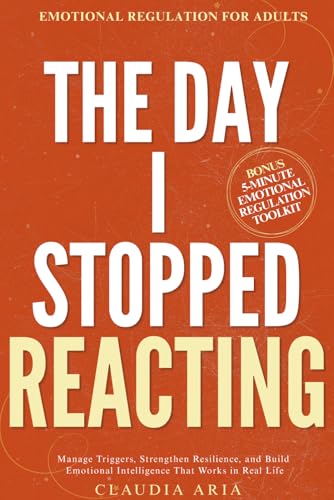
The Day I Stopped Reacting: Emotional Regulation for Adults To Manage Triggers, Strengthen Resilience, and Build Emotional Intelligence That Works in Real Life (The Rising Empaths)
As an affiliate, we earn on qualifying purchases.
As an affiliate, we earn on qualifying purchases.
Frequently Asked Questions
How Can Stoic Philosophy Ease Fears of New Relationships?
Stoic philosophy can ease your fears of new relationships by boosting your emotional resilience and self-awareness. When you accept that you can’t control others, you reduce anxiety about outcomes. Practicing mindfulness helps you stay present, making it easier to handle potential setbacks. By understanding your emotions and reactions, you build confidence and a balanced perspective, allowing you to approach new relationships with calm, openness, and strength.
What Are Common Emotional Pitfalls When Dating Post-Divorce?
Imagine carrying a heavy backpack filled with emotional baggage—it’s easy to trip over fear of intimacy and past hurts. When dating post-divorce, these emotional pitfalls can cause you to withdraw or mistrust. Be mindful of these weights, and practice self-awareness. Stoic principles help you detach from unnecessary fears, allowing you to approach new relationships with clarity, patience, and resilience, rather than being weighed down by old emotional burdens.
How Do I Rebuild Trust After a Divorce?
To rebuild trust after a divorce, focus on emotional resilience by being honest with yourself and others. Practice patience, allowing time to heal wounds and demonstrate consistency in your actions. Communicate openly and set clear boundaries, showing that you’re committed to trust rebuilding. Remember, trust takes time, so stay steady, avoid rushing, and stay true to your values. This approach helps create a solid foundation for future relationships.
When Is the Right Time to Start Dating Again?
Think of your heart as a garden; timing considerations and emotional readiness are the seasons for planting new seeds. You’re ready to start dating again when you feel a sense of peace and clarity, not just curiosity or loneliness. Trust your intuition, and don’t rush the process. Emotional ripeness takes time, so wait until you’re genuinely prepared to nurture a new relationship with patience and resilience.
How Can Stoicism Help Manage Rejection and Disappointment?
Stoicism helps you manage rejection and disappointment by building emotional resilience. When faced with setbacks, practice acceptance strategies, acknowledging your feelings without letting them overwhelm you. Focus on what you can control, like your reactions, rather than external outcomes. This mindset allows you to stay calm, learn from experiences, and move forward with strength, turning challenges into opportunities for growth and self-improvement after divorce.
Conclusion
As you step into this new chapter, remember that every ending unexpectedly leads to a fresh beginning—almost as if the universe’s subtle hand guides your path. Embrace the lessons of patience and resilience, knowing that even the smallest coincidences can steer you toward genuine connection. By approaching dating with a stoic heart, you’ll find that the timing isn’t accidental; it’s perfectly aligned with your journey of growth and renewal.